
Lieferung heute & morgen

Qualitätsgarantie

Willkommens-Angebote freischalten: KOSTENLOSE Lieferung | Bis zu 80 % RABATT | Kostenlose 30-Tage-JoyPlus-Testphase
App herunterladen
A hyaluronic acid serum can be a lightweight addition to your daily facial skincare routine when your skin feels dry, tight or dehydrated. However, there is a wide range to choose from: Korean skincare serums, ampoules, essences and anti-ageing serums are often marketed in similar ways, but differ in their ingredients, texture, pack size and application.
As a Joybuy Product Recommendation Officer, I filter market information according to clear, verifiable criteria. This helps you avoid common disappointing purchases without relying solely on marketing claims.
An indication such as “2%” or “1% hyaluronic acid” may initially sound clear-cut. However, it does not automatically tell you which form of hyaluronic acid is included, where it appears in the INCI list or how the serum feels on your skin. Different forms, such as Sodium Hyaluronate, Hydrolyzed Hyaluronic Acid or Sodium Hyaluronate Crosspolymer, can have different properties within a formulation.
It is therefore more useful to look at the complete INCI list, the texture and additional humectants such as glycerin, panthenol or betaine.
Even a hyaluronic acid facial serum marketed as gentle can cause reactions in some people. Fragrances, alcohol, essential oils, acids or a large number of botanical extracts may be relevant for sensitive or redness-prone skin.
Before using the product fully for the first time, a patch test on a small area of skin is recommended. If redness, itching or burning persists, discontinue use and seek medical advice if necessary.
Hyaluronic acid binds water at the skin’s surface. If you use a moisturising serum without applying a cream afterwards, your skin may still feel dry, depending on the environment. Applying a suitable moisturiser on top is particularly helpful in dry central-heated air or cold weather.
For a serum for dry skin, humectants such as glycerin, butylene glycol or panthenol are worth considering alongside hyaluronic acid. Ceramides, squalane or skin-identical lipids can complement a formulation if the focus is on caring for the skin’s surface and barrier.
If you are looking for a serum for sensitive skin, check the fragrance declaration and the complete INCI list. Products containing Centella Asiatica, panthenol or beta-glucan may be suitable for redness-prone skin. These are not promises of results, however: individual tolerance remains the key factor.
Several forms of hyaluronic acid are often described as “multi-layer hydration” or something similar. The first objective step is to check whether different names appear in the INCI list. A watery or gel-like texture usually absorbs more quickly than a rich formula and is easier to use beneath a cream or sun protection.
A 30 ml hyaluronic acid serum is suitable for getting started or testing a new formulation. Larger bottles, such as 50 ml, 80 ml or 100 ml, may offer better value with daily use, but should only be chosen if your skin tolerates the formula. Ampoules in individual portions offer a different approach to application and are not automatically more practical for every routine.
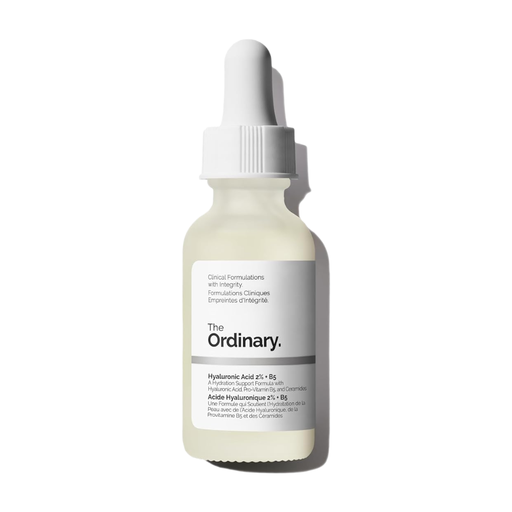
Why this product suits the profile: The 30 ml size is manageable, and the formula contains several forms of hyaluronic acid as well as panthenol. It suits people who want to add a straightforward hyaluronic acid facial serum to their existing routine.
The INCI list clearly sets out the forms of hyaluronic acid and additional ingredients, rather than relying solely on a general hydration claim.
30 ml contents, a fragrance-free formulation according to the product details, and panthenol in the formula.
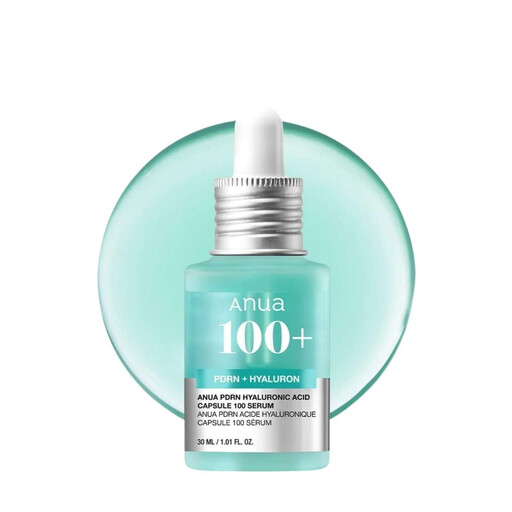
Why this product suits the profile: According to the product description, the formula combines 11 forms of hyaluronic acid with niacinamide, hydrolysed collagen and Sodium DNA. The lightweight, watery texture will appeal to users looking for several skincare benefits in one serum.
The product description names specific ingredient groups and points to the INCI list on the current packaging as the authoritative source.
30 ml contents, several forms of hyaluronic acid and a fast-absorbing, non-sticky texture according to the product details.
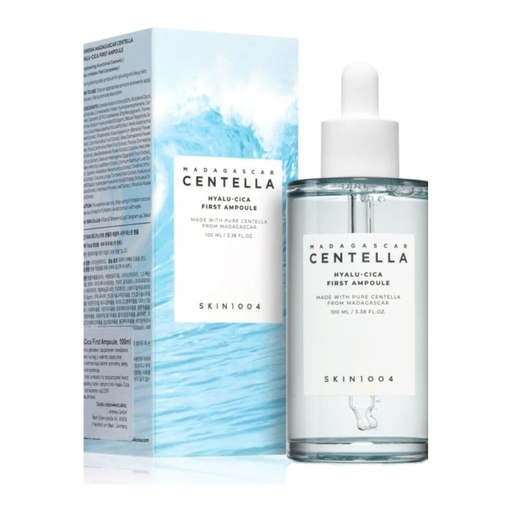
Why this product suits the profile: The 100 ml ampoule is suitable for people who use a hydrating facial serum every morning and evening and prefer a lightweight, water-like texture.
The generous fill size and stated ingredient amounts make it easier to assess whether the product is suitable for daily use.
100 ml contents, plus Centella Asiatica, niacinamide and hyaluronic acid in the stated formulation.
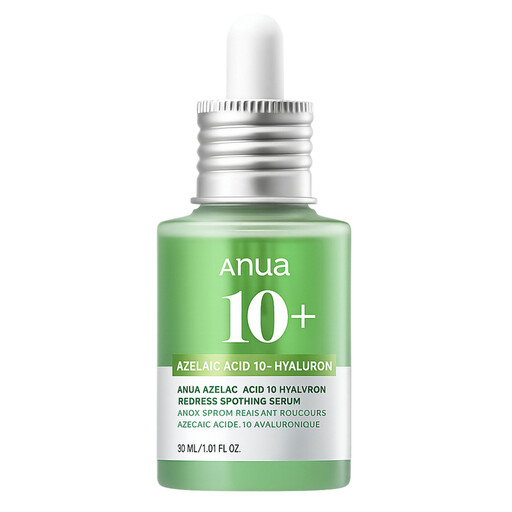
Why this product suits the profile: Alongside hyaluronic acid, the formula contains 10% azelaic acid, panthenol, Ceramide NP and several Centella Asiatica components. According to the product details, use should be increased gradually.
The description states the concentration, recommends introducing it gradually and includes advice to carry out a patch test. This means the formula is not presented as entirely risk-free.
30 ml contents, hyaluronic acid and panthenol, plus a watery texture according to the product description.
We have put together a complete, regularly updated list of products that fully meet these strict selection criteria and the safety regulations applicable in the EU.
A hyaluronic acid serum is usually applied after cleansing. If you have dry skin, applying it to slightly damp skin may feel comfortable. Follow with a cream and, during the day, add sun protection. With formulas containing azelaic acid or other active ingredients, introducing them gradually is advisable. Try not to start several new products at the same time, particularly alongside multiple other active serums.
The frequency depends on the specific formula and how well your skin tolerates it. A simple hydrating serum can often be used morning and evening, provided the product instructions and your skin allow this. With azelaic acid or other active ingredients, starting gradually is advisable.
A cream is not essential in every case, but it can help complete your skincare routine. Particularly if you have dry skin or are in a dry indoor environment, applying a final moisturising product is often more beneficial than using the serum alone.
The printed best-before date and the symbol indicating the period after opening are the key points of reference. The information may vary from one product to another. Close the bottle after every use and store it away from direct sunlight and heat.