
Lieferung heute & morgen

Qualitätsgarantie

Willkommens-Angebote freischalten: KOSTENLOSE Lieferung | Bis zu 80 % RABATT | Kostenlose 30-Tage-JoyPlus-Testphase
App herunterladen
A hyaluronic acid serum can be a useful addition to your daily facial skincare routine if your skin feels dry, tight or dehydrated. However, there is a wide range to choose from. Alongside classic formulations, you will find hyaluronic acid serums with multiple molecular weights, vegan products, fragrance-free options and Korean ampoules containing additional skincare ingredients.
To ensure your purchase is not based solely on marketing claims, it is worth looking at the formula, product quantity and your own skin’s needs.
A claim such as “2% hyaluronic acid” sounds clear, but it does not automatically describe the entire formulation. What matters is whether the product contains pure hyaluronic acid, sodium hyaluronate or several hyaluronic acid derivatives. Humectants such as glycerin, panthenol and betaine also affect how the product feels on your skin.
A higher percentage therefore does not necessarily mean that a serum is more suitable for every skin type. For sensitive skin, additional fragrance, alcohol or essential oils may be more important considerations than a single concentration figure.
An anti-ageing serum can temporarily make the appearance of dry, fine lines look smoother when the skin is well moisturised. However, cosmetic products are not a substitute for medical treatment and cannot stop the natural ageing process.
If you are looking for a serum for fine lines, look for recognisable skincare ingredients such as hyaluronic acid, glycerin, panthenol or ceramides. Claims about collagen, PDRN or “regeneration” should be understood as product descriptions rather than proven therapeutic effects.
Hyaluronic acid binds water at the skin’s surface. If you apply a hydrating serum and do not follow it with a cream, your skin may still feel tight in dry indoor air. A final layer of moisturiser is particularly helpful in heated rooms or cold weather, as it complements your hydration routine.
The INCI list on the packaging shows which ingredients are actually included. For a serum for dry skin, ingredients such as glycerin, panthenol, beta-glucan, ceramides or squalane may be worth looking for. If you need a serum for sensitive skin, a short, fragrance-free formula can make choosing easier.
Also look out for:
Formulas can change. The current ingredients list on the physical product is therefore always the deciding reference.
A facial serum with hyaluronic acid may combine high-, medium- and low-molecular-weight forms. High-molecular-weight variants are more likely to form a hydrating film on the skin, while smaller derivatives may be formulated and used differently. However, this does not provide a general comparison of effectiveness.
More important than the term “Multi-Molecular” is whether the product spreads comfortably, does not feel excessively sticky and is compatible with the rest of your routine.
The usual sizes range from 20 to 50 ml; individual products such as the Innisfree Green Tea Seed Hyaluronic Serum are available in 80 ml. A dropper bottle allows for accurate dosing, while individual ampoules can be practical for single applications or travelling.
Also check the best-before date, the Period-after-Opening symbol and the details of the responsible person in the EU. Cosmetics should be stored in a cool, dry place away from direct sunlight.
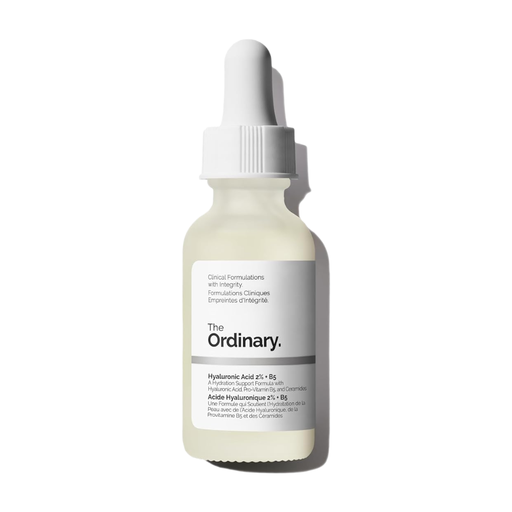
Why this product suits this profile: The 30-ml size and clear product description make it a straightforward introduction to a simple hyaluronic acid skincare routine. According to the product details, the formula is fragrance-free.
The INCI list names several forms of hyaluronic acid as well as panthenol. You should still apply a cream afterwards rather than expecting a standalone instant solution.
Several hyaluronic acid derivatives, panthenol and 30 ml of product; suitable for a simple, fuss-free routine.
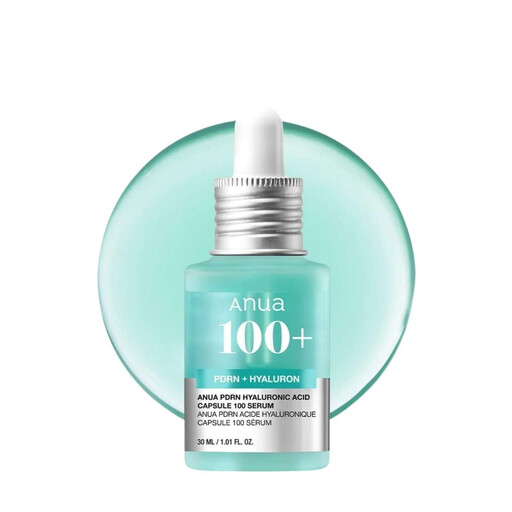
Why this product suits this profile: According to the product description, this Korean hyaluronic acid serum combines 11 forms of hyaluronic acid with niacinamide, hydrolysed collagen and PDRN.
The product details describe a lightweight, watery texture and state that it contains no synthetic fragrance or alcohol. The current packaging information remains the definitive reference.
30 ml, several hyaluronic acid derivatives and a texture designed for quick absorption.
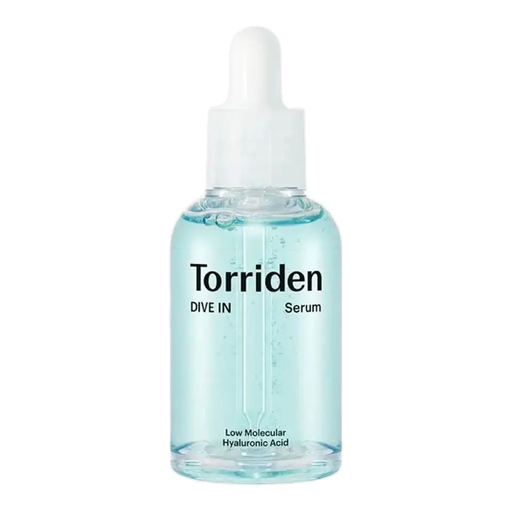
Why this product suits this profile: With 50 ml, this hydrating facial serum is suitable for regular use. According to the product details, it is vegan, fragrance-free and contains five forms of hyaluronic acid.
The larger quantity means you need to repurchase less often. Panthenol, ceramide NP and beta-glucan are listed in the INCI list; however, individual compatibility should still be assessed.
50 ml of product, five forms of hyaluronic acid, plus fragrance-free and vegan product claims.
We have put together a complete, regularly updated list of products that fully meet these strict selection criteria and the safety regulations applicable in the EU.
If you have sensitive skin, it is advisable to carry out a patch test on a small area of skin before using the product for the first time. Stop using the product if you experience burning, redness or itching. Do not apply to broken or severely irritated skin, and avoid contact with the eyes.
According to the usage instructions, most products are intended for use in the morning and evening. If you have sensitive skin, it may be sensible to start with once-daily use and observe how your skin responds.
Follow the PAO symbol on the packaging, such as “12M”, as well as the printed expiry date. If the smell, colour or consistency changes, the serum should no longer be used.
Many formulations are designed for dry or sensitive skin. However, perfume, alcohol or essential oils may cause individual sensitivities. The current INCI list and a patch test can help you choose, but they are not a substitute for dermatological advice if symptoms persist.