
Lieferung heute & morgen

Qualitätsgarantie

Willkommens-Angebote freischalten: KOSTENLOSE Lieferung | Bis zu 80 % RABATT | Kostenlose 30-Tage-JoyPlus-Testphase
App herunterladen
Hyaluronic acid skincare is an essential part of many people’s daily routine if they have dry or dehydrated skin. However, a high hyaluronic acid content alone says little about whether a product suits your skin, your climate or your skincare habits. In Germany especially, dry indoor heating, cold wind and frequent washing can make feelings of tightness worse.
The following buying criteria will help you assess marketing claims and choose a suitable facial moisturiser, a hyaluronic acid serum, toner or a hydrating face mask.
Hyaluronic acid can bind water and is widely used in cosmetics as a hydrating ingredient. However, the INCI list may include several forms, such as Sodium Hyaluronate, Hydrolyzed Hyaluronic Acid or cross-linked variants. Its position in the ingredients list provides a rough indication of the amount present, but it is no substitute for evaluating the product as a whole.
The complete formulation is also important. Humectants such as glycerin, urea, panthenol or betaine may be combined with nourishing and protective ingredients. Simply binding moisture is not always enough for very dry skin if you do not follow up with a cream or lotion.
A gel or lightweight hyaluronic acid serum may feel pleasantly light, but that does not necessarily mean it offers sufficient protection against moisture loss. For dry skin, lipids, oils, ceramides and film-forming ingredients are also relevant. On oily or blemish-prone skin, a rich cream may instead feel uncomfortable.
The texture should therefore suit both your skin type and the time of year: choose a lightweight gel-cream during the day or in summer, and a richer cream when indoor air is dry or during winter.
Even facial skincare marketed as soothing may contain fragrances, essential oils, alcohol or plant extracts. If you are prone to redness, stinging or reactions, check the full ingredients list and first carry out a patch test on a small area of skin.
Persistent symptoms, severely inflamed skin or open areas should be assessed by a dermatologist. Cosmetics are not a substitute for medical diagnosis or treatment.
Look for a well-considered combination of:
A suitable formulation can help your skin feel smoother and less tight. However, the term strengthen the skin barrier is not a single, legally protected performance standard. Check whether the product provides specific information about application, skin tolerance or formulation.
Apply water-based products to cleansed skin and finish your routine with a cream. In the morning, you should also use sun protection unless the product provides adequate UV protection.
Do not compare prices alone. Also consider the fill quantity, how far the product goes and the packaging. A 30 g refill may be a different buying proposition from a 100 ml gel-cream. Also check:
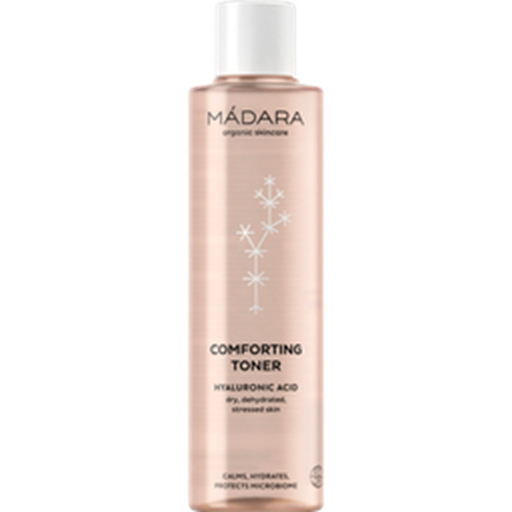
Why this product suits this profile: The liquid toner can be used morning and evening after cleansing and, according to the product information, is intended for very dry and dry skin.
The product type is clearly stated and is not presented as a complete replacement for a cream. The information also describes a vegan, paraben-free and silicone-free formulation.
200 ml contents, a liquid texture and vegan, certified properties according to the product information.
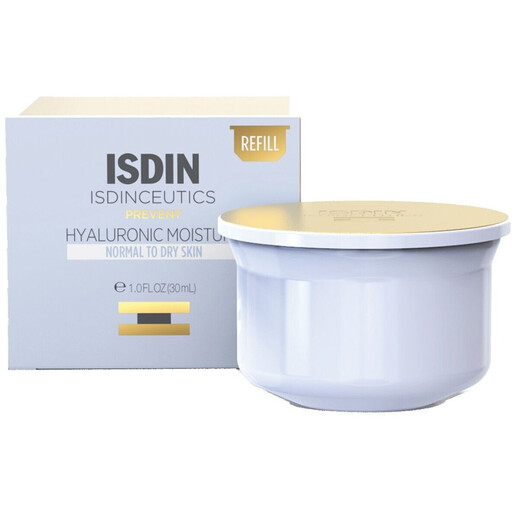
Why this product suits this profile: According to the manufacturer, the lightweight cream is intended for normal to dry skin and for use during the day and in the evening.
The product description clearly specifies the texture, skin type, quantity and refill packaging. This makes it easier to compare the choice with your own skincare habits.
Lightweight cream, 30 g contents, refill format and 88% ingredients of natural origin according to the product information.
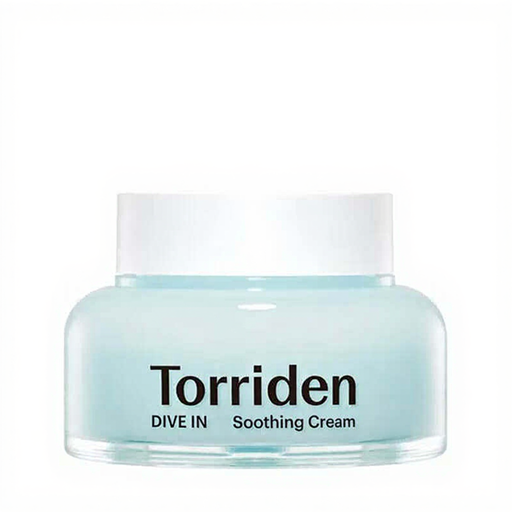
Why this product suits this profile: At 100 ml, this cream is suitable for people who prefer a larger quantity for their daily Korean skincare routine. According to the product information, it is suitable for all skin types.
The INCI list includes several forms of hyaluronic acid as well as glycerin, panthenol and allantoin. Fragrances are not listed in the information provided.
100 ml contents, a gel-cream texture and several listed hyaluronic acid derivatives.
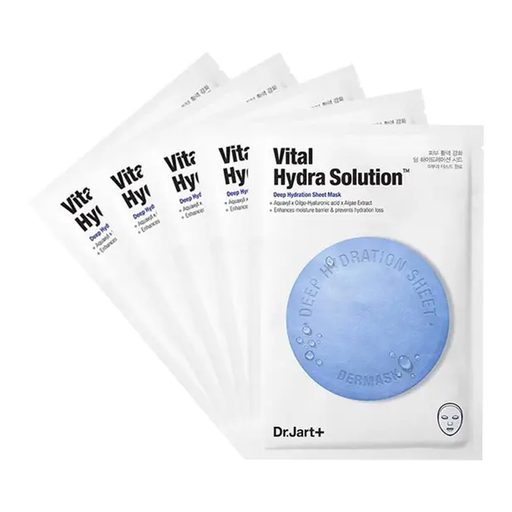
Why this product suits this profile: This sheet mask is designed as a temporary boost of skincare and, according to the instructions, is used for around 15 to 20 minutes.
The pack contains five individual masks, clearly positioning it as an additional product. If you have sensitive skin, pay attention to the listed ingredients and warnings.
Five sheet masks, Sodium Hyaluronate in the ingredients list and a defined application time.
We have put together a complete, regularly updated list of products that fully meet these strict selection criteria and the safety regulations applicable in the EU.
A simple routine can consist of three steps:
If your skin is very dry, a richer texture may be beneficial in the evening. If your skin is sensitive or reddened, introduce products gradually: start with just one new product and monitor your skin’s response. Products containing fragrances or active acids should not be introduced at the same time as several other new active ingredients.
That depends on the complete formulation. Hyaluronic acid itself is just one ingredient; fragrances, alcohol, essential oils or certain plant extracts may be relevant for some people. Check the INCI list and carry out a patch test before applying the product over a larger area.
Yes, this combination is possible. Apply a serum after cleansing and, if applicable, using toner. You can then add a cream to your skincare routine and help reduce moisture loss. If you have oily skin, a lightweight gel-cream may be enough, while dry skin may benefit from a richer texture.
The printed best-before date, the period-after-opening symbol and the information on the packaging are the key points to consider. Store cosmetics in a dry place, tightly closed and protected from direct sunlight. If the smell, colour or consistency changes, stop using the product.