
Lieferung heute & morgen

Qualitätsgarantie

Willkommens-Angebote freischalten: KOSTENLOSE Lieferung | Bis zu 80 % RABATT | Kostenlose 30-Tage-JoyPlus-Testphase
App herunterladen
A hyaluronic acid serum can be a straightforward addition to your skincare routine when your skin feels dry, tight or lacking in moisture. However, there is a lot of choice available: terms such as “Deep Hydration”, “Glow” or “Anti-Aging Serum” alone reveal little about the actual formulation. The INCI list, suitability, application and value for money are what really matter.
Our selection helps you find the right hyaluronic acid serum for different skin needs – without relying solely on marketing claims.
A claim such as “1% hyaluronic acid” or “2%” may initially sound clear-cut. However, it does not automatically tell you which form of hyaluronic acid is included or how the overall formulation has been developed. Cosmetics may contain Sodium Hyaluronate, hydrolysed hyaluronic acid or cross-linked forms, for example.
A serum also contains more than just the featured active ingredient. Humectants such as glycerin, panthenol or betaine, preservatives and the ingredients that create the texture also affect how it feels on the skin.
Sensitive or redness-prone skin can react to a range of ingredients. These include parfum, essential oils, alcohol and certain plant extracts, among others. Checking the complete INCI list is therefore more useful than relying solely on the word “gentle”.
If you have a known intolerance, test the product on a small area of skin first. Stop using it if persistent redness, itching or burning occurs.
A facial moisturising serum is generally applied after cleansing and, if necessary, after toner. However, it does not necessarily provide a sufficient protective layer. A cream can help round off the rest of your skincare routine. In the morning, suitable sun protection should also be part of your facial skincare routine.
For a serum for dry skin, several humectants are often more useful than focusing on one percentage figure in isolation. Hyaluronic acid may be combined with glycerin, panthenol, beta-glucan, betaine or ceramides.
If you are specifically looking for a serum with panthenol or a serum for skin barrier care, check that these ingredients actually appear in the ingredients list. For example, the stated formulations from SKIN1004 and Torriden contain panthenol and ceramides respectively, alongside hyaluronic acid.
For a serum for sensitive skin, a straightforward formulation and the absence of fragrances may be important selection criteria. This does not mean that every fragrance-free formulation will suit everyone. Your individual skin condition remains the deciding factor.
With products containing additional active ingredients such as azelaic acid, increase use particularly gradually. Such a product is not simply a classic hydrating facial serum and may require a different skincare routine.
Watery or gel-like textures generally absorb differently from richer formulations. If you use several skincare layers, you will often prefer a lightweight serum without a sticky finish. To assess the cost, you should also compare the contents: 20, 30, 50, 60 or 100 ml can only be compared meaningfully by looking at the price per 10 ml.
An ampoule solution with 30 individual portions can be practical for travel or short-term use. A larger 80 or 100 ml bottle, on the other hand, is often calculated differently for everyday use.
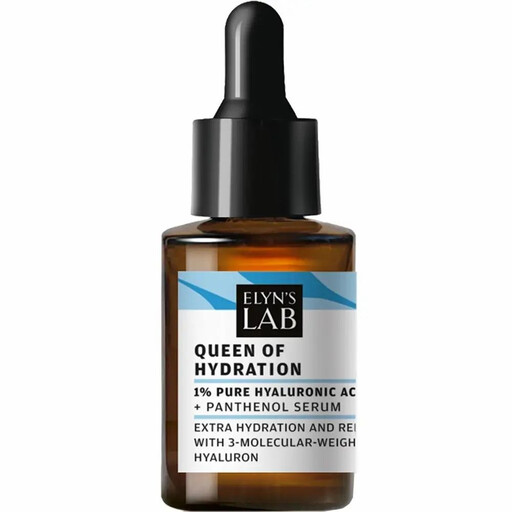
Why this product suits this profile: According to the product details, the formulation combines 1% hyaluronic acid with panthenol and glycerin. The stated 30 ml size is suitable for starting a daily morning or evening routine.
Alongside the hyaluronic acid highlighted in the marketing, the composition lists the other relevant ingredients too. This makes it easier to assess the formulation than by looking at one active-ingredient figure in isolation.
30 ml contents, panthenol in the INCI list and a lightweight, non-sticky texture according to the description.
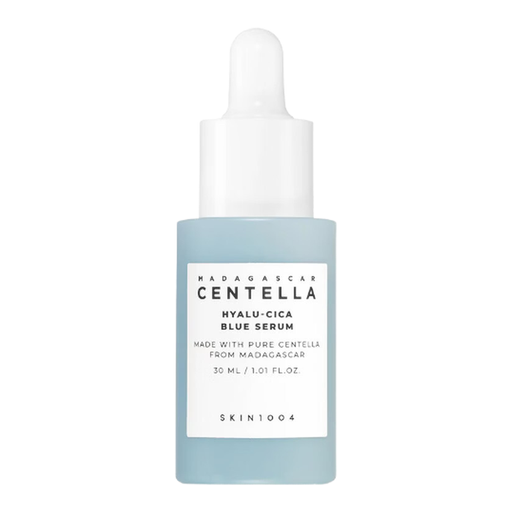
Why this product suits this profile: According to the stated INCI list, this Korean hyaluronic acid serum combines several forms of hyaluronic acid with Centella Asiatica, niacinamide, panthenol and Ceramide NP.
The product composition can be assessed by checking specific ingredients. If you want to avoid fragrances or alcohol, you should still check the packaging for each batch.
A lightweight, gel-like texture according to the product description, together with several moisturising and conditioning ingredients.
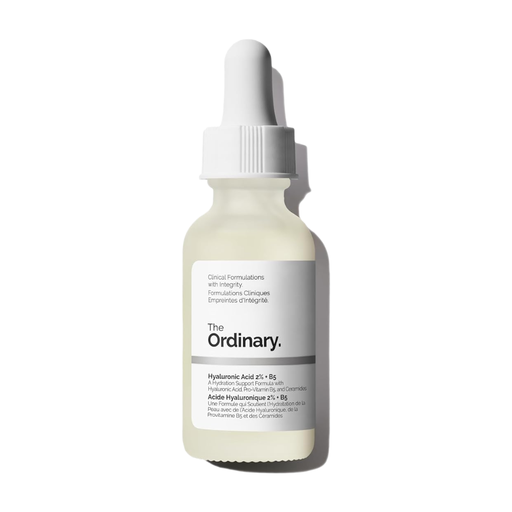
Why this product suits this profile: The listed formulation contains several forms of hyaluronic acid, panthenol, phospholipids and sphingolipids. This makes the ingredients list easy to compare for shoppers who pay close attention to active ingredients.
The assessment is based not only on the “2%” claim, but also on the additional moisturising and barrier-supporting ingredients listed.
Fragrance-free according to the stated information, 30 ml contents and several forms of hyaluronic acid in the published INCI list.
We have put together a complete, regularly updated list of products that fully meet these strict selection criteria and the safety regulations applicable in the EU.
If you are using a serum for sensitive skin, a patch test is recommended. Products with additional active ingredients should initially be used less frequently. Always follow the instructions on the packaging, as INCI lists may be updated.
Many products are intended for morning and evening use according to their instructions. If you have sensitive skin, it is sensible to start with one application a day and monitor your skin’s response. Formulations containing additional active ingredients may recommend a lower starting frequency.
A cream is not essential for every skincare routine, but it can be a useful final step. It is particularly helpful for dry skin, as it complements the routine with nourishing and protective ingredients. The ideal combination depends on your skin type, the time of year and the product’s texture.
The best-before date, batch number and, where applicable, the open-jar symbol indicating the period after opening are shown on the packaging. Keep the product tightly closed, dry and protected from direct sunlight. Do not continue using it if its smell, appearance or feel on the skin changes.