
Lieferung heute & morgen

Qualitätsgarantie

Willkommens-Angebote freischalten: KOSTENLOSE Lieferung | Bis zu 80 % RABATT | Kostenlose 30-Tage-JoyPlus-Testphase
App herunterladen
A new smartphone is a significant investment. It's all the more frustrating when, despite having a screen protector, your display gets scratched shortly after purchase, or the newly applied tempered glass shatters from the first minor bump. The screen protector market is saturated with marketing promises that often fail to deliver in practice.
Many users invest in protection that later proves to be inadequate or impractical. Before you make a decision, it's crucial to understand the three most common pitfalls that lead to unnecessary expenses:
This guide explains the critical features of high-quality Hybrid Glass and helps you make an informed choice for your device.
To distinguish quality products from the rest, you should focus on three core technical parameters. These define the quality and durability of a modern screen protector.
The term Hybrid Glass describes a material combination that merges the benefits of glass and plastic film. At its core, such a flexible tempered glass consists of several layers:
This combination makes the product more resistant to everyday bumps and safer to handle.
The hardness rating, often indicated as 7H or 9H, refers to the surface's resistance to scratches, measured on the pencil hardness scale. A scratch-resistant screen protector with a high hardness rating can withstand contact with keys, coins, or other hard objects in your pocket.
It is crucial that the hardness rating comes from a glass-like component. A hybrid glass with a ceramic coating offers a noticeably smoother and more durable surface than a pure plastic film.
A high-quality screen protector glass must be precisely cut for the specific smartphone model. This is especially critical for devices with curved edges, such as the S25 Ultra tempered glass.
Look for the "Case-Friendly" label. This indicates that the screen protector is sized to avoid colliding with the edges of a typical protective case. A good fit is essential for a bubble-free installation and long-term durability without lifting corners.
Choosing the right protector depends on your device and your priorities. Here are some recommendations tailored to specific needs.
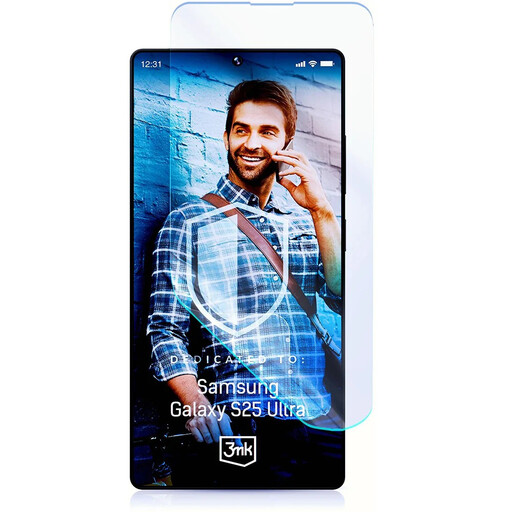
Why This Fits Their Persona: Ideal for users who want to equip their high-end S25 Ultra with a protector that doesn't compromise the ultrasonic fingerprint sensor's functionality while providing robust protection.
This product is a true hybrid glass, specifically engineered for fingerprint sensor compatibility and a precise fit on the S25 Ultra's curved edges.
Combines 7H scratch resistance with high impact absorption. According to the manufacturer, it increases the screen's durability by up to 400%.
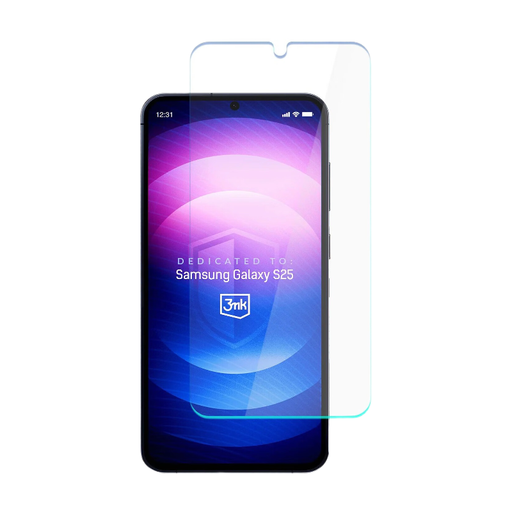
Why This Fits Their Persona: Perfect for users tired of constantly replacing shattered glass protectors. The focus here is on a durable, non-shattering solution for everyday use.
Unlike rigid tempered glass, this hybrid glass doesn't break into sharp fragments. It bypasses the "unbreakability" myth by relying on a flexible, impact-absorbing structure instead.
The combination of a 7H-hard ceramic layer and a flexible film enhances the display's impact resistance by 250% (according to the manufacturer), offering a safe, shatter-free alternative.
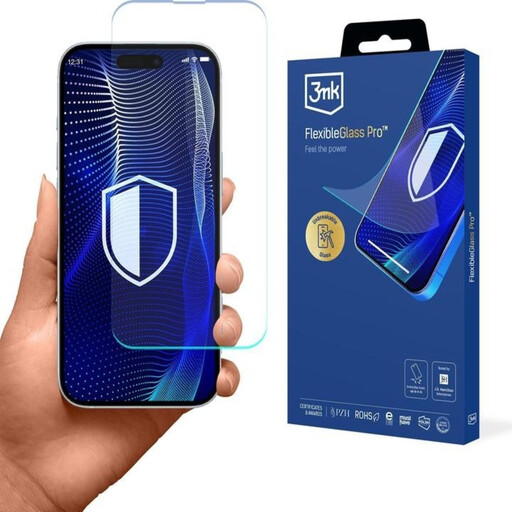
Why This Fits Their Persona: Specifically designed for the iPhone 17 to ensure a perfect fit and preserve the original display quality. A high-end protector for a premium device.
Instead of a universal size, this product offers a model-specific fit, preventing issues with case and sensor compatibility from the start.
Its innovative hybrid structure provides a balanced combination of hardness and flexibility, ensuring high resistance to micro-cracks and impacts.
We have compiled a complete, up-to-date list of products that fully meet these strict selection criteria and safety standards.
1. What is the difference between hybrid glass and conventional tempered glass?
The main difference lies in the material composition. Conventional tempered glass consists of a single layer of hardened glass. It is very hard and scratch-resistant, but also brittle and can easily shatter upon impact. Hybrid Glass combines a hard surface layer with a flexible plastic base layer. This makes it more flexible, allows it to absorb impacts better, and prevents it from shattering into sharp fragments, which increases safety.
2. Does flexible glass interfere with the fingerprint sensor?
High-quality, thin hybrid glasses like Wozinsky Nano Glass or 3mk FlexibleGlass are designed to be compatible with in-display fingerprint sensors (both optical and ultrasonic). For some devices, especially models requiring a Samsung S25 screen protector, it can be helpful to re-register your fingerprint after applying the protector to ensure an optimal recognition rate.
3. How do I apply a screen protector without bubbles?
A bubble-free installation requires care and the right environment. Work in a dust-free, well-lit area. Clean the display thoroughly with the included alcohol wipe and microfibre cloth. Use the dust removal sticker to eliminate any final particles. Align the protector precisely with the edges and cutouts. Slowly lay it onto the display and press from the centre outwards to push out any air. Most modern hybrid glasses use an adhesive that allows small bubbles to disappear on their own within 24-48 hours.