
Lieferung heute & morgen

Qualitätsgarantie

Willkommens-Angebote freischalten: KOSTENLOSE Lieferung | Bis zu 80 % RABATT | Kostenlose 30-Tage-JoyPlus-Testphase
App herunterladen
A new smartphone like the iPhone 16 or Samsung Galaxy S25 is a significant investment. The display is its most sensitive and expensive component. Therefore, a screen protector isn't an option—it's a necessity. However, the market is flooded with products making exaggerated marketing claims. Many users spend money on a screen protector that either doesn't fit, interferes with usability, or becomes useless after a short time.
As your Joybuy Product Recommendation Officer, I'll help you identify the common pitfalls and make an informed decision. We'll focus on the facts so you can find the right protection for your device.
Before we dive into the technical details, let's expose the three most common marketing traps that lead to frustration and unnecessary expenses:
Understanding these points is the first step toward finding a protective solution that truly serves its purpose.
You don't need to be a materials scientist to make the right choice. You only need to understand three crucial features that define a high-quality Hybrid Tempered Glass.
The term Hybrid Tempered Glass describes a material combination that merges the benefits of glass and plastic film. Unlike a rigid tempered glass protector made of hardened glass, a flexible tempered glass consists of multiple layers. It typically combines a hard glass base for high scratch resistance and clarity with a flexible PET layer. This structure makes it more resistant to chipping at the edges and ensures it won't shatter into a thousand sharp pieces upon a strong impact.
The 9H Hardness rating is an industry standard that is often misunderstood. It doesn't refer to the Mohs scale of mineral hardness but to the pencil hardness scale. A screen protector with 9H Hardness is resistant to scratches caused by a 9H pencil—the hardest standard. In practice, this means your display is well-protected from scratches by keys, coins, or other objects in your pocket. It's a key indicator of durability and makes the protector scratch-resistant in daily use.
Choosing the right fit is critical for the screen protector's functionality and longevity.
Every user has different needs. Here are some recommendations tailored to specific profiles and requirements.
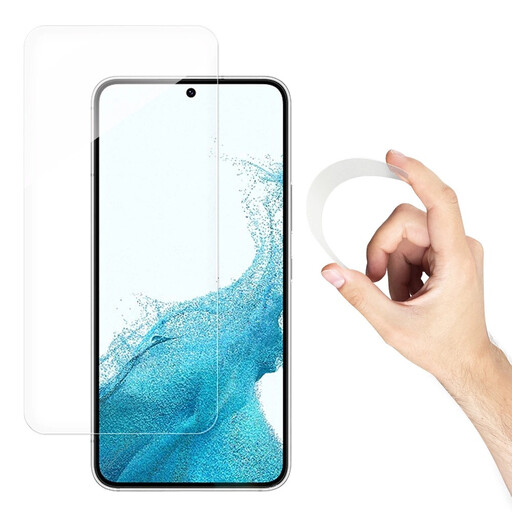
Why it's a good fit: A well-balanced solution for owners of the new Samsung Galaxy S25 who want reliable, scratch-resistant protection without a large budget. Ideal for everyday protection.
The hybrid construction is more flexible and less prone to chipping than rigid, cheap glass. The included accessories facilitate a clean installation.
Combines high scratch resistance (9H) with flexibility. The ultra-thin 0.15 mm design doesn't compromise touch sensitivity.
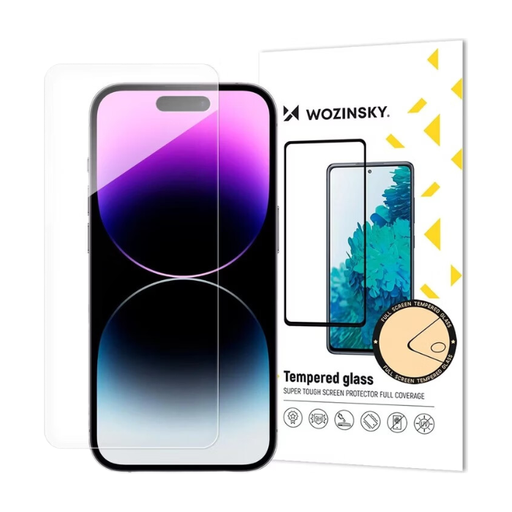
Why it's a good fit: For owners of a flagship device like the iPhone 16 Pro Max who want gapless coverage and a flawless look. The protector extends across the entire display front.
The "Full Cover" design is precisely engineered to cover the entire front, avoiding the problem of ill-fitting protectors that leave gaps at the edges.
Provides complete coverage of the display, including the edges. The flexible construction allows for an easy, adhesive-free, and bubble-free installation.
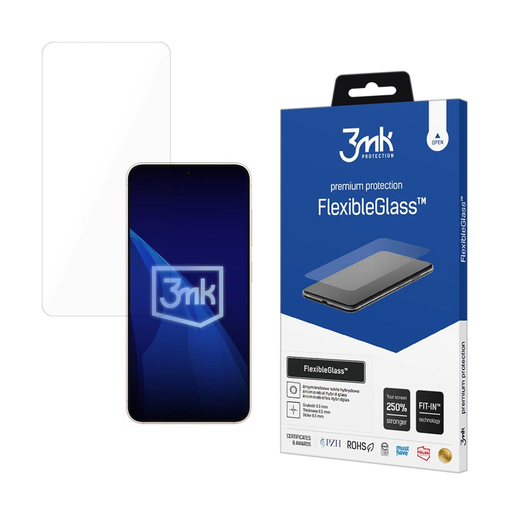
Why it's a good fit: Specifically designed for the challenges of a curved "Edge" display. Conventional screen protectors often fail to adhere properly to the rounded edges.
The flexible hybrid construction and precise design ensure the glass adheres securely even on the curved edges and won't be lifted by a case.
Offers a balance of strength and flexibility for curved screens. The "Case-Friendly" design ensures compatibility with most protective cases.
We have compiled a complete, up-to-date list of products that fully meet these strict selection criteria and UK regulations.
The lifespan of a hybrid tempered glass protector depends heavily on usage. With normal use and no major drops, it can last for the entire life of the smartphone. However, its main purpose is to act as a sacrificial layer. After a strong impact or if deep scratches impair visibility, it should be replaced to maintain protection.
Yes. Modern products, especially from brands like Wozinsky or 3mk, come with comprehensive installation kits. These typically include wet and dry cleaning wipes, dust removal stickers, and sometimes even an alignment tool. The key to a bubble-free application is a dust-free environment and carefully following the instructions. The flexibility of Hybrid Tempered Glass is an advantage here, as it facilitates minor adjustments during application.
High-quality, thin hybrid glass protectors are designed not to interfere with the functionality of the in-display fingerprint sensor. Models for the Samsung Galaxy S25 or other devices with this technology are tested accordingly. If the recognition rate is slightly reduced after installation, it often helps to simply re-register your fingerprint in the device settings.