
Lieferung heute & morgen

Qualitätsgarantie

Willkommens-Angebote freischalten: KOSTENLOSE Lieferung | Bis zu 80 % RABATT | Kostenlose 30-Tage-JoyPlus-Testphase
App herunterladen
A new smartphone is a significant investment. The display is its most sensitive and expensive component. An unfortunate drop can quickly lead to repair costs of several hundred pounds. To avoid this, a high-quality screen protector is essential. However, the market is flooded with products making bold claims that often don't hold up in practice. Many users invest in protective solutions that prove to be inadequate or impractical.
This guide will help you navigate the common pitfalls. We focus on the objective criteria that define a good screen protector and explain why hybrid tempered glass is a smart choice for many modern devices.
Before choosing a product, it's helpful to know the most common annoyances that arise with low-quality screen protectors:
To make an informed decision, you should focus on three technical features instead of relying on marketing buzzwords.
The crucial difference lies in the material composition. While classic tempered glass consists of a single, hardened layer of glass, hybrid tempered glass is a composite solution. It combines a thin layer of glass for hardness and a smooth feel with a flexible plastic or PET film layer.
The fit is not a luxury but a necessity, especially for devices with curved edges.
The 9H screen protector is an often-misunderstood industry standard. The "H" value refers to the hardness of a pencil lead. 9H means the surface cannot be scratched by a 9H hardness pencil. This is a good indicator of resistance to scratches from keys or coins in your pocket, but it says little about shatter resistance from drops. With hybrid glass, this scratch resistance is combined with flexibility, offering more comprehensive protection.
Based on these objective criteria, we have identified some products that are suitable for specific user groups and their requirements.
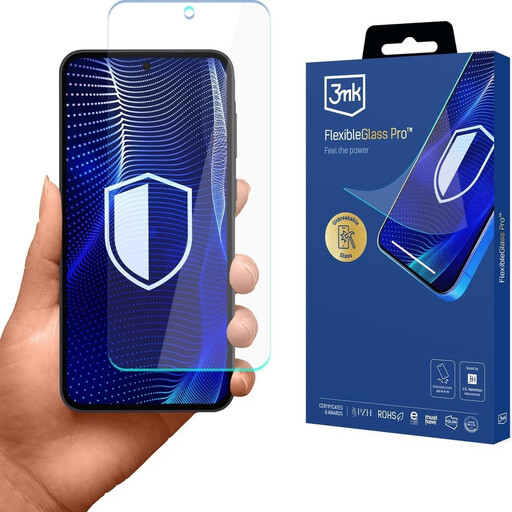
Why this product is a good fit: Ideal for users of mid-range smartphones who want reliable, long-lasting protection without breaking the bank. The focus is on a solid balance of scratch resistance and flexibility for everyday use.
The hybrid construction prevents rapid chipping at the edges, a common problem with cheap, rigid glass. Its flexible nature also facilitates a bubble-free application.
Combines the hardness of glass with the flexibility of a film, increasing durability in daily use. The anti-fingerprint coating ensures a clean look.
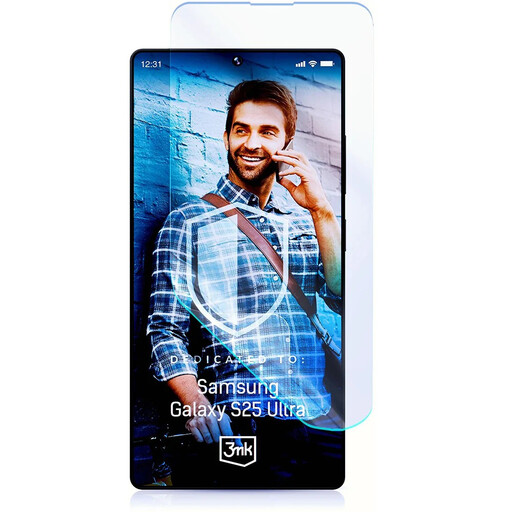
Why this product is a good fit: For users of the latest flagship models like the Samsung Galaxy S25 Ultra, where maximum protection and unrestricted functionality (e.g., ultrasonic fingerprint sensor) are paramount.
This glass is explicitly designed for compatibility with the fingerprint sensor. According to the manufacturer, the hybrid structure significantly enhances the display's impact resistance without shattering like rigid glass.
Offers high impact absorption and 7H scratch resistance. The included Fit-In positioning stickers facilitate a precise and bubble-free installation.
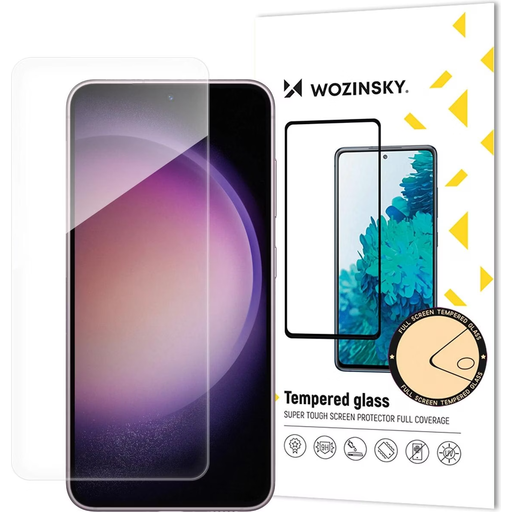
Why this product is a good fit: Specifically for users who have had issues with the fit of previous screen protectors on curved edges. This model is designed to cover the entire display, including the curves.
The "Full Cover" designation is taken seriously here. The flexible material conforms to the display's curves, preventing the edges from lifting, even when used with a case.
Provides complete edge-to-edge coverage of the display. The adhesive-free application and the material's flexibility minimise the risk of air bubbles at the edges.
We have compiled a complete, up-to-date list of products that meet these strict selection criteria and applicable regulations.
In many everyday situations, yes. The main advantage of flexible tempered glass is its resistance to chipping at the edges. Conventional, rigid glass tends to break on impact to the corners or edges. Since hybrid glass absorbs these impacts better due to its flexible component, it often remains intact for longer and needs to be replaced less frequently.
Installation is often easier than with rigid glass. The material's flexibility allows you to adjust the protector more easily during application and smooth out air bubbles towards the edges. The key to success is careful preparation: work in a dust-free environment, clean the display thoroughly with the provided wipes, and follow the manufacturer's instructions precisely.