
Lieferung heute & morgen

Qualitätsgarantie

Willkommens-Angebote freischalten: KOSTENLOSE Lieferung | Bis zu 80 % RABATT | Kostenlose 30-Tage-JoyPlus-Testphase
App herunterladen
A hydrating face mask can be a practical addition to your daily skincare routine, especially if your skin is dry, dehydrated or looks tired. However, not every product suits every skin concern. Packaging often features terms such as “glow”, “anti-ageing” or “intensive care”, while important information may only become clear from the ingredients list or instructions for use.
The most common purchasing mistakes arise from three typical pitfalls:
For a face mask for dry skin, moisture-binding and skin-conditioning ingredients can be beneficial. These include glycerin, hyaluronic acid, panthenol, squalane, plant oils and ceramides. A face mask for skin-barrier care may additionally contain ceramides, cholesterol or skin-identical lipids.
If you have sensitive skin, it is worth checking carefully for parfum, essential oils and fragrance allergens that must be declared, such as limonene or linalool. “Suitable for all skin types” is no substitute for checking individual tolerance. When trying a new product, a patch test on a small area of skin is recommended.
Depending on the product, a hyaluronic acid face mask may contain several forms of hyaluronic acid. The INCI list shows whether ingredients such as Sodium Hyaluronate, Hydrolyzed Hyaluronic Acid or Sodium Hyaluronate Crosspolymer are used. However, the name alone does not indicate a specific effect on the skin.
Single masks are useful when you want to test tolerance first. Multipacks can be more practical for regular use. When using jars or resealable packaging, your hands should be clean and the container should close securely.
The expiry date, batch number and symbol indicating the period after opening can be found on the packaging. As formulations may change, check the current ingredients list on the physical product before purchase and use.
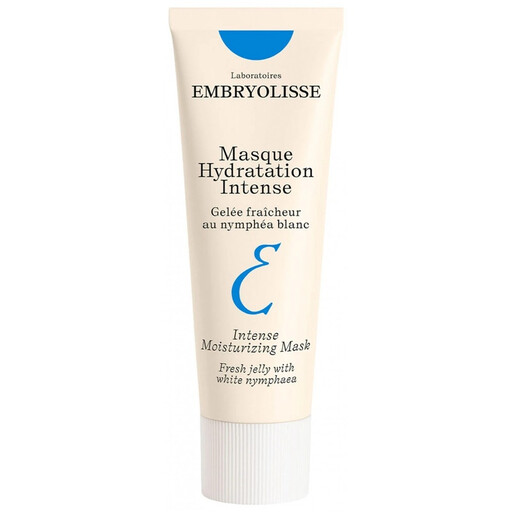
Why this product suits this profile: The 50 ml cream mask is designed for straightforward daytime or evening use and contains ingredients including glycerin, panthenol, allantoin, beeswax and Sodium Hyaluronate.
The stated wear time of around 15 minutes provides clear guidance for use. The complete INCI list makes it easier to check for fragrances and potential allergens.
Creamy texture, 50 ml capacity and several moisture-binding and conditioning ingredients.
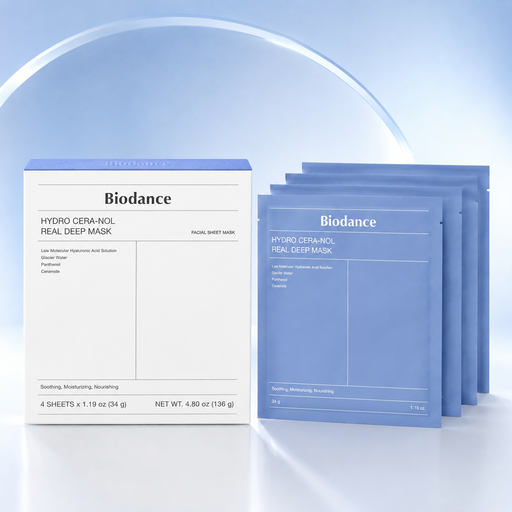
Why this product suits this profile: The hydrogel mask is supplied as a set of 4, with each mask weighing 34 g, and according to the product information combines panthenol, ceramides and several forms of hyaluronic acid.
The recommended wear time of at least 3 to 4 hours or overnight prevents the mask from accidentally being used like a short-wear sheet mask.
Hydrogel format, 4 individual masks and a listed combination of ceramides, panthenol and hyaluronic acid.
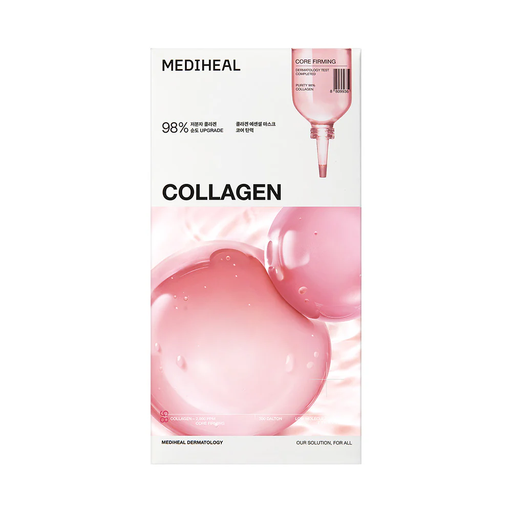
Why this product suits this profile: The set of 10 is designed for repeated use. According to the product description, the masks are worn for 10 to 20 minutes and can be used two to three times a week.
The fixed number of masks makes the cost per use easier to estimate. The recommended wear time provides clear guidance and helps avoid leaving the mask on unnecessarily long.
10 individual masks, hyaluronic acid and collagen according to the product information, plus defined usage frequency.
We have put together a complete, regularly updated list of products that fully meet these strict selection criteria and the safety regulations applicable in the EU.
Before using a product for the first time, cleanse your face and follow the instructions for the specific product. With a sheet mask, the remaining essence is usually gently patted into the skin, while a cream mask is removed or rinsed off depending on the product. An anti-ageing face mask should be regarded as cosmetic skincare; terms such as “firming” or “rejuvenating” do not describe a guaranteed medical effect.
If you experience burning, itching, redness or swelling, remove the product and stop using it. Masks should not be applied to open, inflamed or damaged skin. If symptoms persist, seek dermatological advice.
This depends on the format and the manufacturer’s instructions. Many sheet masks are used once or several times a week. An overnight mask is often intended for use once or twice a week, while some products are designed for more frequent application. Always follow the specific instructions on the packaging.
Around 10 to 20 minutes is typical, although some products specify a shorter or longer period. The mask should not be left on until it has dried completely. Hydrogel masks often have their own time recommendations, which may be considerably longer.
A concise INCI list, avoiding fragrances that are problematic for you personally, and carrying out a patch test before the first full application are all important. Even products marketed as gentle may contain individual ingredients that cause a reaction in some people. The current ingredients list on the packaging is therefore the most reliable basis for your decision.