
Lieferung heute & morgen

Qualitätsgarantie

Willkommens-Angebote freischalten: KOSTENLOSE Lieferung | Bis zu 80 % RABATT | Kostenlose 30-Tage-JoyPlus-Testphase
App herunterladen
A hydrating face mask can be a simple addition to your skincare routine. However, not every mask is suitable for every skin condition. Dry skin often needs a different texture from oily or sensitive skin. What’s more, terms such as “Hydra”, “Glow” or “Collagen” alone reveal little about the actual ingredients or how the product should be used.
Hyaluronic acid, glycerin, ceramides and collagen are common ingredients in face masks. However, simply listing them does not guarantee a particular result. The complete INCI list, product texture and intended use are what really matter.
For example, a face mask with hyaluronic acid may primarily help to retain moisture. Ceramides, on the other hand, are often used in formulations designed to care for the skin barrier. Cosmetic products can affect how your skin feels and looks, but they do not replace dermatological treatment.
A sheet mask or hydrogel mask should not generally be left on your face for longer than stated on the packaging. If the material dries out, how your skin feels may change. Overnight products are specially formulated for longer use; an ordinary sheet mask is not automatically suitable for this purpose.
Even when a product is labelled as suitable for all skin types, it is worth checking for fragrances, alcohol, essential oils and other potentially irritating ingredients. If you have sensitive skin, it is advisable to test the product carefully on a small area first. Stop using it if redness, burning or itching occurs.
For intensive hydration, humectants such as glycerin, betaine or hyaluronic acid are relevant ingredients. They can help your skin feel smoother and softer. For dry skin, oils, shea butter and other emollient ingredients may also be worth considering.
Ceramides, lecithin and cholesterol are often found in formulations designed to care for the skin barrier. This does not mean that every mask containing these ingredients is suitable for irritated skin. The complete formulation and your individual tolerance remain crucial.
When choosing a face mask for sensitive skin, fragrance-free or low-irritant formulations are often a sensible option. However, “low-irritant” is not a guarantee of individual compatibility. Look out for instructions such as “do not use on damaged skin”, “avoid contact with eyes” and “discontinue use if irritation occurs”.
If you are allergic to fragrances, nuts or certain plant extracts, read the ingredients list particularly carefully before buying. Ingredients can change, so the information on the packaging of the specific product is the one that matters.
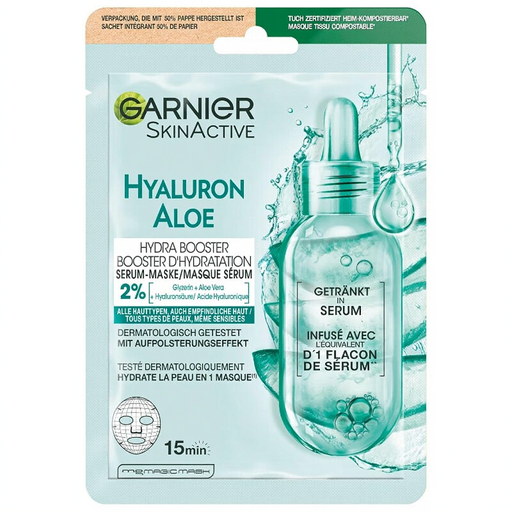
Why this product suits this profile: This individual cotton sheet mask is designed for a short 15-minute application and, according to the product description, contains hyaluronic acid, aloe vera and glycerin.
The clearly stated application time helps prevent the temptation to wear an ordinary sheet mask overnight. However, the INCI list also includes alcohol and parfum, which should be checked if you have sensitive skin.
Single-use format, cotton material and a combination of glycerin, aloe vera ingredients and Sodium Hyaluronate.
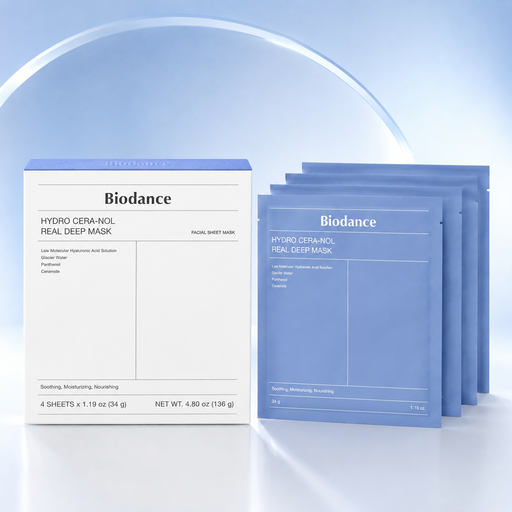
Why this product suits this profile: This hydrogel mask is designed for several hours of use and combines D-Panthenol, ceramides and several forms of hyaluronic acid.
The product is explicitly designed for 3 to 4 hours of use or overnight application. This sets it apart from an ordinary sheet mask; remove the mask as soon as it becomes transparent.
Hydrogel format, ceramides and several hyaluronic acid derivatives; according to the product information, it is suitable for all skin types, including sensitive skin.
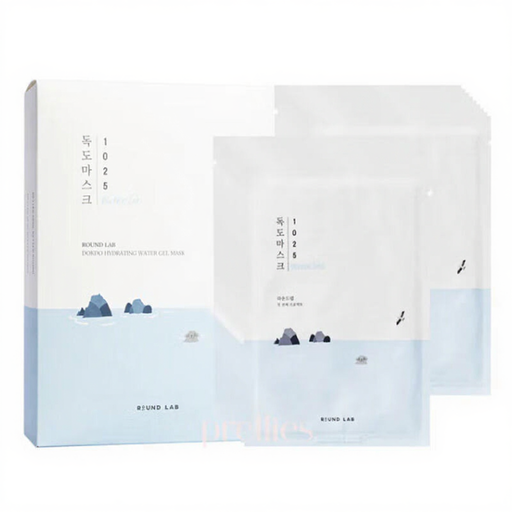
Why this product suits this profile: The pack contains 18 biodegradable cellulose sheet masks designed for repeated applications lasting 10 to 20 minutes.
The short, clearly stated application time helps prevent the mask from being worn for too long. The packaging includes usage instructions and advises using it only on skin that is not irritated.
18 masks, several forms of hyaluronic acid, as well as panthenol, betaine and allantoin in the stated formulation.
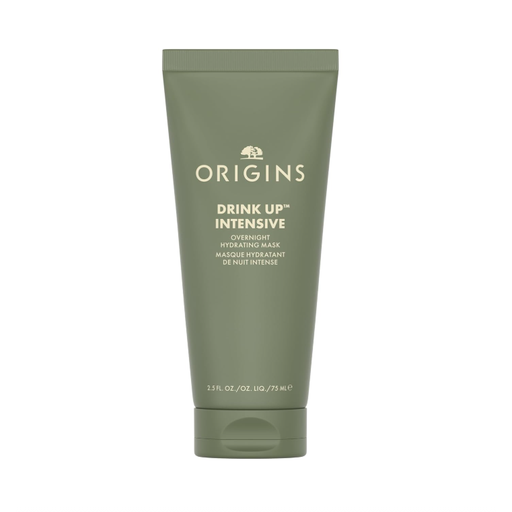
Why this product suits this profile: Apply this gel cream in a thin layer in the evening. According to the product description, it is designed for overnight use and for dry or dehydrated skin.
The instructions clearly distinguish between an overnight moisturiser and a sheet mask worn for a short time. Fragrances and oils such as avocado and apricot kernel oil should be taken into account if you have known intolerances.
75 ml jar, gel cream texture and ingredients such as glycerin, Hydroxyethyl Urea, avocado oil, aloe vera and oat extracts.
We have put together a complete, regularly updated list of products that fully meet these strict selection criteria and the safety regulations applicable in the EU.
A pore-refining face mask often works cosmetically by providing moisture and making the skin feel smoother. It cannot permanently remove visible pores. With a so-called anti-ageing face mask, claims such as “smoothing” or “firming” should likewise be understood as cosmetic descriptions of the skin’s appearance.
This depends on the formulation and the manufacturer’s instructions. Many sheet masks are designed for use once or twice a week, while some packs are suitable for more frequent application. An overnight mask is usually used two or three times a week, or as required. If you have sensitive skin, it is sensible to introduce it gradually.
Only if the product instructions expressly allow it. Some hydrogel masks are designed for several hours of use or as an overnight treatment. A conventional sheet mask, however, should be removed after the stated time and should not be left on your face while you sleep.
For a face mask for dry skin, formulations containing glycerin, hyaluronic acid, ceramides, panthenol, oils or shea butter may be worth considering. A comfortable texture, suitable application time and avoiding ingredients you personally cannot tolerate are also important. The ingredients list on the packaging remains the deciding factor before purchase.