
Lieferung heute & morgen

Qualitätsgarantie

Willkommens-Angebote freischalten: KOSTENLOSE Lieferung | Bis zu 80 % RABATT | Kostenlose 30-Tage-JoyPlus-Testphase
App herunterladen
Dry, tight or tired-looking skin can have various causes: dry indoor air, frequent washing, cold weather or an unsuitable skincare routine. Face masks for intense hydration can complement a skincare routine, but they do not replace daily moisturising or dermatological advice.
When buying, terms such as “glow”, “collagen” or “24-hour hydration” are not the only things that matter. Skin type, application, ingredients, fit and actual usage time are all crucial. Checking these points can help you avoid common disappointing purchases.
A heavily saturated sheet mask may seem generous at first glance. However, if the material is too large, too loose or poorly shaped, the liquid may run down the cheeks without reaching the skin evenly. A good fit is therefore more important than the visible amount of essence.
A collagen face mask may contain nourishing and moisture-binding ingredients. However, cosmetic products must not be equated with medical effects. Terms such as anti-ageing face mask, “firming” or “rejuvenating” often describe the desired skincare effect or brand positioning, rather than guaranteeing a proven, lasting result.
Even a soothing face mask may contain fragrances, alcohol, essential oils or numerous plant extracts. If you have sensitive skin, you should therefore check the current INCI list on the packaging. A patch test on a small area of skin is recommended before first use. If redness, burning or itching occurs, discontinue use.
For a face mask for dry skin, formulas containing glycerine, panthenol, ceramides or hyaluronic acid are often suitable. These ingredients are used in cosmetic formulations to moisturise the skin and support its barrier.
If your skin appears dehydrated, a hyaluronic acid mask containing different forms of hyaluronic acid may be worth considering. However, this does not automatically mean that moisture reaches “all layers of the skin”. Claims about penetration depth should be viewed critically, as this depends on the formulation, the condition of your skin and how the product is used.
If you are prone to irritation, choose a face mask for sensitive skin with a concise INCI list and as little fragrance as possible. For a longer-lasting skincare interval, consider an overnight mask or night mask. This is applied in the evening as the final step and rinsed off in the morning, depending on the product.
A mask should not be allowed to dry out completely. If the material dries on your face, it may leave your skin feeling less comfortable. After use, gently pat in any excess essence rather than rubbing it in vigorously.
Before buying, pay attention to:
Product descriptions and formulations may change. The information on the packaging supplied with the product is always authoritative.
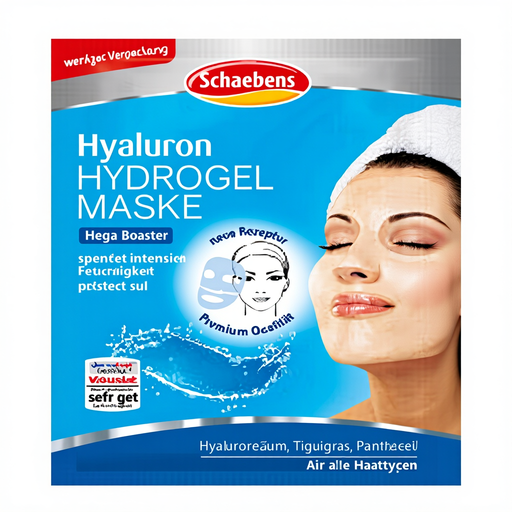
Why this product suits this profile: The single hydrogel mask is ideal for trying the material and checking its tolerability before committing to a larger pack.
The short, single-use application reduces the risk of buying a large pack with an unsuitable fit or formula.
The product description focuses on hydrogel material and hyaluronic acid.
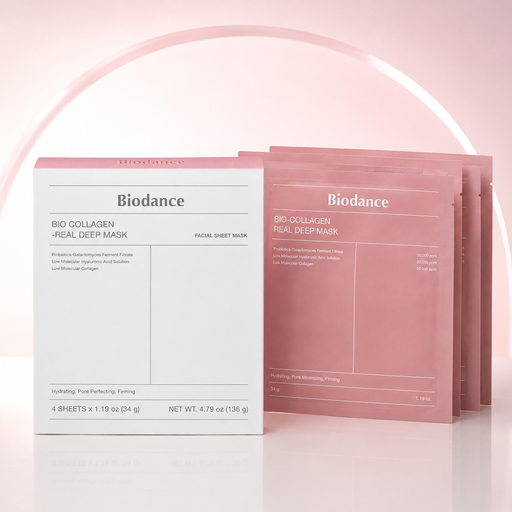
Why this product suits this profile: This hydrogel mask is aimed at people who enjoy Korean skincare and prefer a longer application time.
The stated wearing time of three to four hours or overnight makes use more predictable than with a sheet mask that dries out quickly.
Four hydrogel masks containing collagen extract, glycerine and hydrolysed hyaluronic acid, according to the product information.
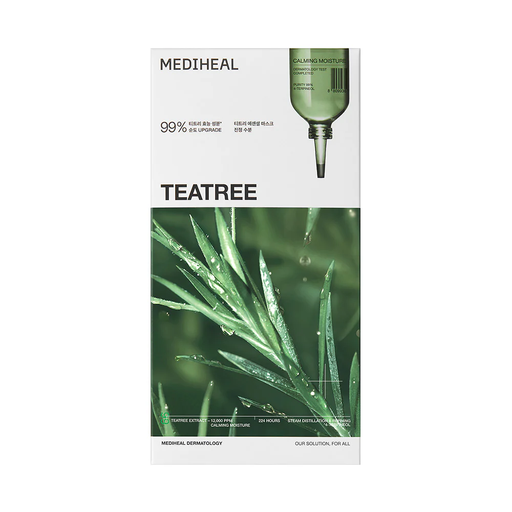
Why this product suits this profile: The pack of ten sheet masks is suitable for regular use and for skin that needs balancing care as well as hydration.
The mildly acidic formula and recommendation to carry out a patch test help make the selection process more structured for sensitive skin.
Ten individually packaged sheet masks; the product description mentions tea tree extract and moisturising ingredients.
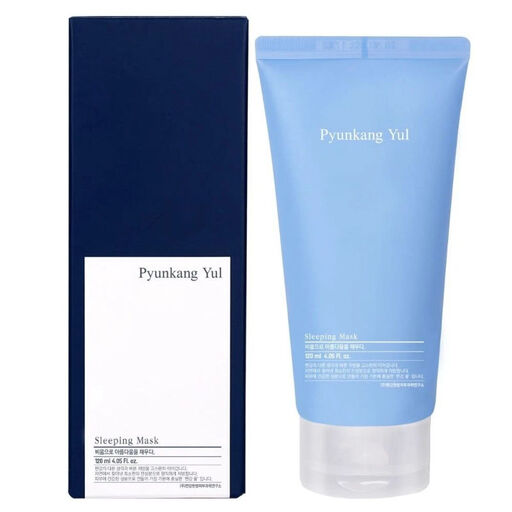
Why this product suits this profile: A larger night treatment may suit people who prefer a straightforward, longer-lasting moisturising routine in the evening.
The creamy application avoids the typical wearing time associated with a sheet mask. Before buying, however, check that the product’s actual consistency is suitable for use on the face.
Ceramides and panthenol are listed as key ingredients for moisturising care and skin comfort.
We have put together a complete, regularly updated list of products that fully meet these strict selection criteria and the safety regulations applicable in the EU.
If your skin is very sensitive, damaged or inflamed, avoid using the product. If irritation occurs, remove the product and discontinue use.
This depends on the formula and your skin type. Many sheet masks are used two to three times a week, while an overnight mask can also be used as needed. The specific recommendation on the packaging or product page should always be followed.
Around 10 to 30 minutes is usual. A sheet mask should not be worn until it has dried out completely. Hydrogel masks often have longer application times, which must be clearly stated on the product.
There is no general answer. The complete INCI list, fragrances, alcohol, essential oils and your individual tolerance are all important factors. Testing the product on a small area before first use may reduce the risk of an unwanted reaction.