
Lieferung heute & morgen

Qualitätsgarantie

Willkommens-Angebote freischalten: KOSTENLOSE Lieferung | Bis zu 80 % RABATT | Kostenlose 30-Tage-JoyPlus-Testphase
App herunterladen
A hydrating facial cream is part of many people’s daily morning and evening routine. Even so, choosing the right one is not always easy: a rich formula can feel heavy on combination skin, while a lightweight gel cream may not be enough for dry skin. Sensitive or blemish-prone skin also requires careful consideration of ingredients, texture and application.
A cream can feel very rich without providing comfortable care for the skin in the long term. Glycerin, hyaluronic acid, panthenol and betaine, among others, help bind moisture. Lipids such as squalane, ceramides and plant oils can also help limit moisture loss.
What matters is the combination of humectants, nourishing ingredients and a suitable texture. A facial cream for dry skin can therefore be richer, while a non-greasy facial cream is often more comfortable for oily or combination skin.
Ingredients such as Centella asiatica, niacinamide and hyaluronic acid sound promising. However, simply mentioning them says little about how suitable a product will be for an individual. The complete INCI list shows which other ingredients are included, such as fragrances, essential oils, alcohols or preservatives.
For sensitive skin, it is generally best to choose a formula with a straightforward ingredient list. A patch test on a small area of skin can help identify an unwanted reaction before applying the product to your face.
Korean skincare covers a wide range of formulations, from watery gel creams to nourishing barrier-support creams. Products containing soothing plant extracts or exfoliating acids may not suit every routine either. When using formulas containing AHA, BHA or PHA, suitable sun protection is advisable during the day.
Your skin type is a starting point, but it is not an unchanging factor. Central heating, cold weather, frequent washing or harsh exfoliation can temporarily make your skin feel drier and more sensitive.
Hyaluronic acid and glycerin are typical humectants. Panthenol is often used in formulations for dry or sensitive skin. Ceramides, cholesterol and phytosphingosine are among the ingredients used in formulas designed to support the skin barrier. Depending on the concentration and your skin’s sensitivity, niacinamide may be tolerated differently.
Marketing claims such as “Glow”, “Repair” or “Glass Skin” should not be the sole basis for your buying decision. The specific ingredient list, texture, fill quantity and application instructions are more informative.
A facial gel cream is often well suited to warm days, wearing under make-up or skin that quickly feels greasy. A more substantial cream may be useful for dry skin or in the evening. Tubes reduce direct contact with the product; if using a jar, make sure your hands are clean.
Most of the products featured are applied as the final step after cleansing, toner and serum. When trying a new product, it is best to introduce it gradually. If persistent redness, itching or stinging occurs, stop using the product and seek dermatological advice if necessary.
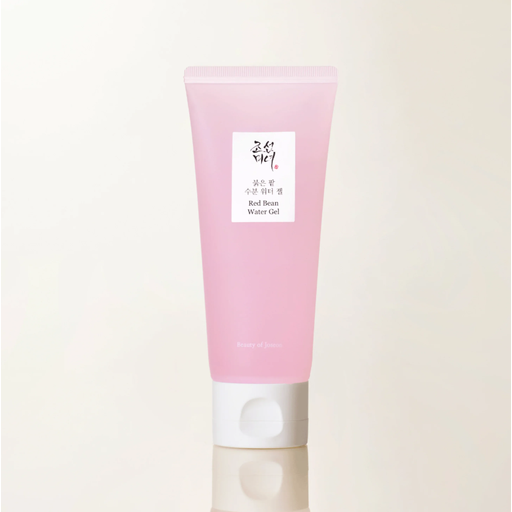
Why this product suits the profile: The lightweight gel cream texture is designed for fuss-free daily use, while the 100 ml size offers a practical amount of product.
The water-light texture reduces the risk of a heavy, greasy feeling during daily use.
Adzuki bean extract, glycerin, betaine and panthenol; described as fast-absorbing.
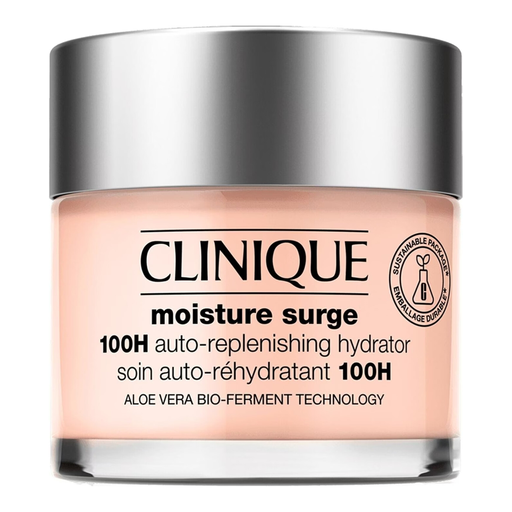
Why this product suits the profile: The oil-free gel cream can be used in the morning, evening or under make-up, and is stated to be suitable for all skin types.
The product description explicitly states that it has an oil-free gel cream texture and a non-acnegenic formula.
Aloe vera bio-ferment, hyaluronic acid and a lightweight texture; 75 ml contents.
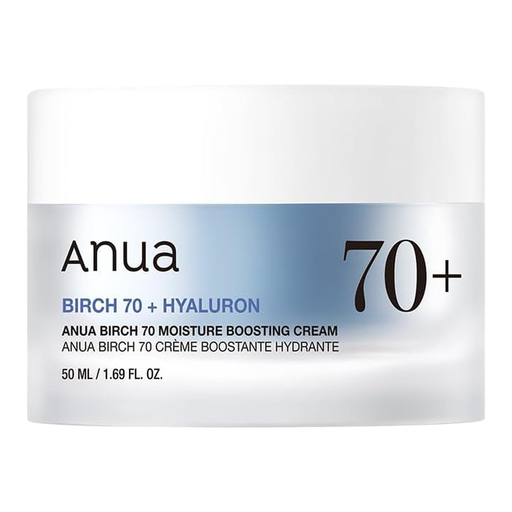
Why this product suits the profile: This creamy yet lightweight moisturiser is intended for dry, dehydrated and sensitive skin and can be used in the morning and evening.
The selection highlights specific humectants and nourishing ingredients rather than relying solely on general hydration claims.
Birch water, panthenol, squalane and betaine according to the INCI list; suitable for use on the face and neck.
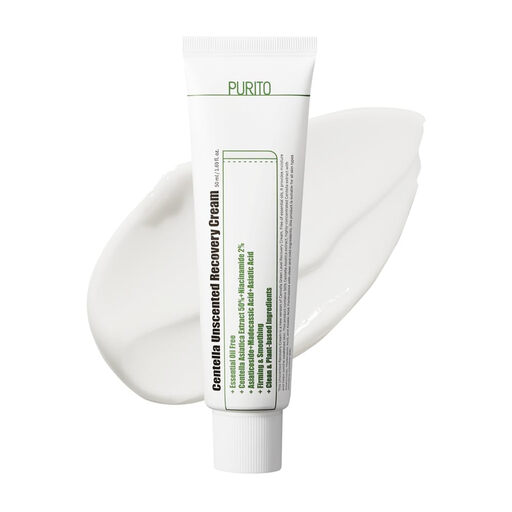
Why this product suits the profile: According to the product description, this fragrance-free cream has a lightweight formula and is intended for combination and sensitive skin.
Avoiding added fragrance makes it easier to choose if fragrances are among your personal exclusions.
Centella asiatica, niacinamide, ceramide NP and squalane according to the product information.
We have put together a complete, regularly updated list of products that fully meet these strict selection criteria and the safety regulations applicable in the EU.
For sensitive skin, a straightforward INCI list, a low-irritant base where possible and a patch test are advisable. Panthenol, Centella asiatica and ceramides are frequently found in these skincare products. Fragrances and essential oils should be assessed on an individual basis, as tolerance does not depend solely on skin type.
The printed best-before date and the PAO symbol on the packaging are the key points to check, for example “12M”. The cream should be kept closed, stored in a dry place and protected from direct sunlight. Changes in smell, colour or consistency indicate that the product should no longer be used.
Yes, this is possible and depends on the texture, the amount applied and your skin’s current condition. A gel cream or lightweight emulsion may feel more comfortable than a highly occlusive formula. If you only notice dryness on your cheeks, you can apply a slightly more generous amount there and a thinner layer to the T-zone.