
Lieferung heute & morgen

Qualitätsgarantie

Willkommens-Angebote freischalten: KOSTENLOSE Lieferung | Bis zu 80 % RABATT | Kostenlose 30-Tage-JoyPlus-Testphase
App herunterladen
A good hydrating mask can do more than just provide a temporary feeling of freshness. It's a targeted, intensive treatment that offers effective support for issues like dryness, a dull complexion, or irritation. But the market is crowded and full of marketing promises. Many products fail to deliver, leading to disappointment instead of results.
As your Joybuy Product Recommendation Officer, I'm here to help you avoid the common pitfalls. We'll analyse what truly matters when making a selection, so you can make an informed decision and find a mask that fits your individual needs.
Before we get to the solutions, it's important to understand the most common issues that often lead to a poor purchase:
To avoid these traps, you should focus on three objective criteria. These will help you objectively evaluate the quality and suitability of a face mask or hair mask.
The order of ingredients on the INCI list is crucial. They are listed in descending order of concentration. For an effective hydrating mask, moisturising and nourishing substances should appear high up on the list.
The type of mask determines how the active ingredients are delivered to the skin and what the application experience feels like.
Look for a formulation that addresses your specific problem.
Based on the criteria above, we have identified several products suitable for different needs and user profiles.
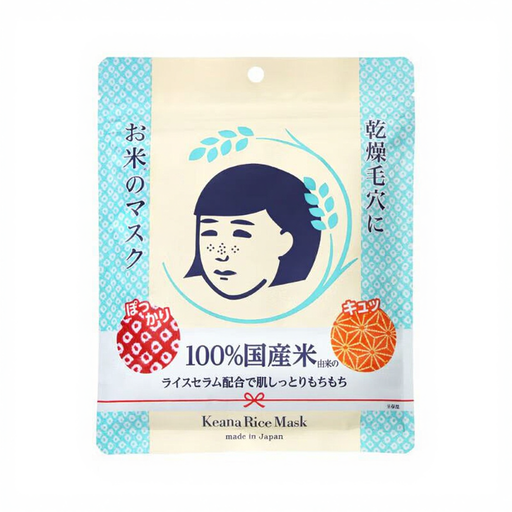
Why this product fits: Ideal for those seeking a straightforward yet effective solution for dry skin and visible pores. The mask offers an easy entry into the world of Asian skincare and reliably delivers moisture.
The formulation is based on a "rice serum" made from four rice derivatives that form the core of the product, rather than just serving as a marketing gimmick. Its effect is clearly focused on hydration and pore-refining.
Uses 100% Japanese-grown rice for intense hydration and refining skin texture. The thick sheet mask ensures good adhesion and ingredient delivery.
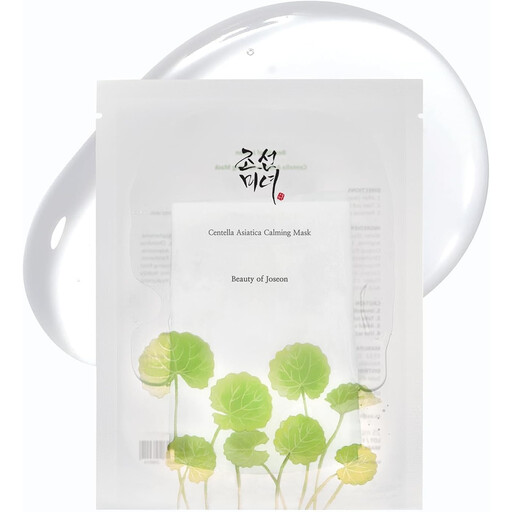
Why this product fits: Specifically for those with sensitive, irritated, or redness-prone skin. This soothing mask provides targeted relief and strengthens the skin barrier.
The concentration of the main active ingredient is clearly stated as 15% Centella Asiatica extract and is second on the INCI list. This avoids the "ingredient bait" trap and promises high efficacy.
Combines a high percentage of Centella Asiatica with three types of hyaluronic acid for soothing and simultaneously deep, multi-layer hydration.
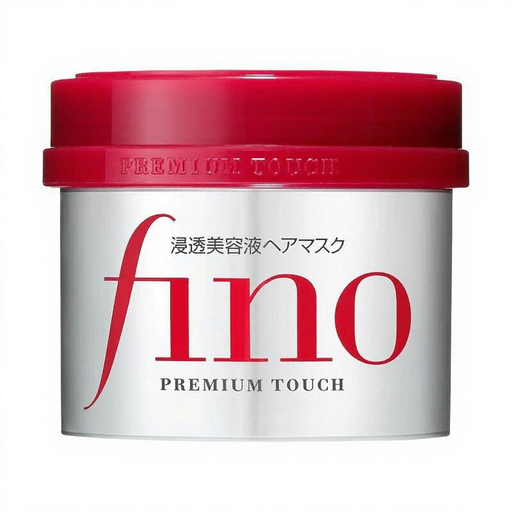
Why this product fits: For users seeking an intensive repair treatment for dry, damaged, or chemically treated hair. This hair mask offers a concentrated treatment that goes beyond a standard conditioner.
Instead of vague promises, this mask delivers a rich formula with specific nourishing ingredients like Royal Jelly extract, Squalane, and Glutamic Acid that penetrate deep into the hair shaft to repair it from within.
The formulation aims to replenish moisture, improve elasticity, and smooth the hair's surface. It is designed as a weekly intensive treatment.
We have compiled a complete, up-to-date list of products that fully meet these strict selection criteria and current regulations.
The frequency of use depends on the mask type and your skin condition. Lightweight sheet masks can be used several times a week if needed; frequent use is common, especially in Korean Skincare. Rich cream or sleeping masks are typically recommended once or twice a week as an intensive treatment. Always follow the manufacturer's instructions.
No, a mask is a supplementary intensive treatment, not a replacement for your daily moisturiser. A mask provides a concentrated boost of active ingredients, while a daily cream hydrates the skin throughout the day and protects it from external aggressors. A moisturiser should always be applied after using a rinse-off mask.
A sheet mask consists of a non-woven fabric soaked in essence that is left on the face for a set period. They are convenient, hygienic in their single-use packaging, and ensure intensive absorption of active ingredients through occlusion (coverage). A cream mask has a thicker consistency, is applied directly to the skin, and is often rinsed off or massaged in after the treatment time. It is particularly well-suited for replenishing a weakened skin barrier with lipids.