
Lieferung heute & morgen

Qualitätsgarantie

Willkommens-Angebote freischalten: KOSTENLOSE Lieferung | Bis zu 80 % RABATT | Kostenlose 30-Tage-JoyPlus-Testphase
App herunterladen
Feelings of tightness, dryness, and a weakened skin barrier are common concerns that require targeted hydration. A hydrating serum promises quick relief, but the market can be overwhelming. Many products advertise high concentrations of active ingredients or trendy components, but fail to deliver on their promises. This guide will help you avoid common purchasing pitfalls and find a serum that truly meets your skin's needs.
Before you make a decision, you should be aware of two common marketing tactics that often lead to regrettable purchases.
To identify an effective hydrating serum, especially one suitable for sensitive skin, you should focus on the following three core parameters.
An intact skin barrier is the key to healthy, resilient skin. It protects against moisture loss and external irritants. Look for formulas designed to strengthen the skin barrier. Proven ingredients include:
For skin prone to redness, irritation, or sensitivity, a calming serum is essential. Such formulations often contain active ingredients known for their soothing properties. Many of these ingredients are a cornerstone of the K-Beauty philosophy.
The base of any serum is crucial for its tolerability and effectiveness. Look for products that are free from potentially irritating additives such as denatured alcohol (Alcohol denat.), synthetic fragrances, or harsh preservatives. A lightweight, fast-absorbing texture is ideal, as it integrates well into any skincare routine without leaving a sticky film.
Instead of making a one-size-fits-all recommendation, we have selected products tailored to specific requirement profiles.
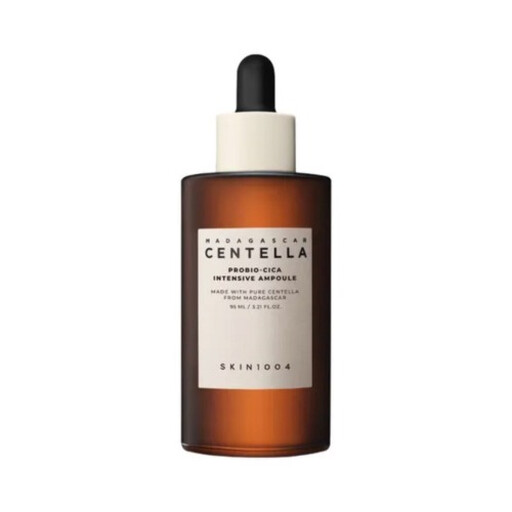
Why It's a Match: Ideal for those whose skin barrier is weakened by stress or external factors. The formula directly targets the repair and reinforcement of the skin's structure.
This serum doesn't rely on a single active ingredient. It combines fermented Centella Asiatica with ceramides, panthenol, and niacinamide for a holistic approach to skin barrier repair.
The formula contains Ceramide NP and TECA (highly concentrated active compounds from Centella Asiatica), which mimic the skin's natural lipid structure to provide targeted support for the barrier function.
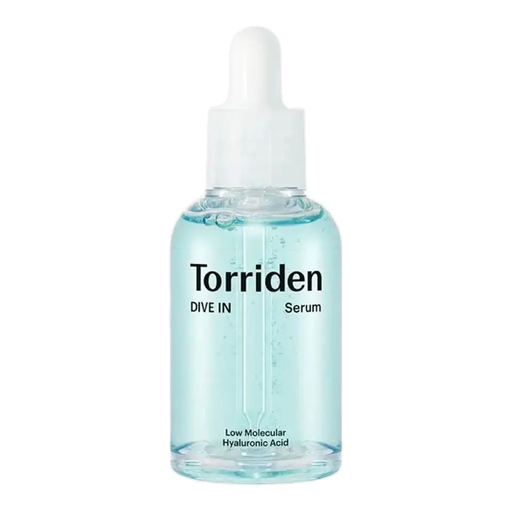
Why It's a Match: Designed for dehydrated skin that needs deep, long-lasting hydration. Its lightweight texture is ideal for layering in a daily routine.
This serum addresses the "percentage" pitfall by focusing on a variety of molecular sizes. It delivers moisture to different layers of the skin instead of just working on the surface.
The formula contains a 5D complex of hyaluronic acid with different molecular weights. Additionally, Panthenol and Allantoin support skin soothing and moisture retention.
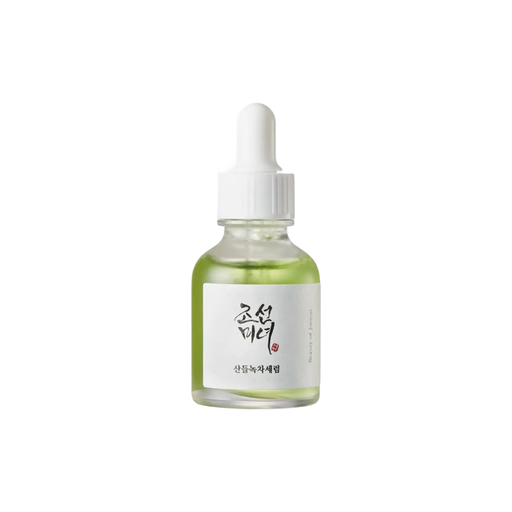
Why It's a Match: A targeted solution for skin prone to redness and irritation. The minimalist yet effective formula focuses on calming and protection.
Instead of relying on a single trendy ingredient, this serum combines two proven, synergistic ingredients (Green Tea and Panthenol) for a reliable calming effect.
The formula contains Green Tea Extract, a potent antioxidant, and Panthenol to strengthen the skin barrier. The light, watery texture absorbs quickly and is fragrance-free.
We have compiled a complete, up-to-date list of products that fully meet these strict selection criteria.
1. How do I integrate a hydrating serum into my skincare routine? A serum is typically applied after cleansing and toning, onto slightly damp skin. Dispense a few drops onto your fingertips and gently pat it into the skin on your face and neck. Wait a moment for it to fully absorb before applying your moisturiser and, if applicable, sunscreen.
2. Can I use a hyaluronic acid serum on sensitive skin? Yes, hyaluronic acid is generally very well-tolerated and suitable for sensitive skin, as it is a substance naturally found in the body. However, pay attention to the overall formulation. A good serum for sensitive skin should be free of alcohol, fragrances, and other potentially irritating ingredients. A patch test on your inner arm before the first facial application is always a good practice.
3. What is the difference between a serum and an ampoule? Traditionally, ampoules are considered an even more concentrated form of a serum, often designed for a short-term, intensive treatment (e.g., as a course over several weeks). In the world of K-Beauty, however, the terms are often used interchangeably. Both refer to highly concentrated skincare products with a lightweight texture that target specific skin concerns. The main difference often lies more in marketing than in a strictly defined technical distinction.