
Lieferung heute & morgen

Qualitätsgarantie

Willkommens-Angebote freischalten: KOSTENLOSE Lieferung | Bis zu 80 % RABATT | Kostenlose 30-Tage-JoyPlus-Testphase
App herunterladen
By Joybuy Product Recommendation Officer, August 28, 2026
A good hydrating serum is the foundation for plump, healthy-looking skin. However, the market is flooded with products promising rapid results. Many of these promises are based on clever marketing that often obscures more than it clarifies. Before making a purchase, it's crucial to understand the most common pitfalls to make an informed choice that truly meets your skin's needs.
Choosing a serum can quickly become overwhelming. Marketing terms and unclear ingredient lists complicate the decision. Here are three common misconceptions that can lead to poor purchases:
To find a suitable hydrating face serum, you should focus on verifiable criteria. These three parameters will help you objectively evaluate product performance.
A high-quality plumping serum ideally contains a blend of different types of hyaluronic acid. Look for ingredient lists (INCI) that mention terms like Sodium Hyaluronate (high-molecular-weight), Hydrolyzed Hyaluronic Acid (low-molecular-weight), or Sodium Acetylated Hyaluronate. This combination ensures that the skin is hydrated on multiple levels—at the surface and in its deeper layers.
A moisturising serum should do more than just draw water into the skin. It must also help the skin retain that moisture. Ingredients that strengthen the skin barrier and minimise moisture loss (transepidermal water loss) are crucial. Look for:
Especially for a serum for dry skin or sensitive conditions, the overall formulation is important. A good choice is often free of denatured alcohol (Alcohol Denat.), synthetic fragrances (Parfum), and high concentrations of essential oils, as these can dry out or irritate the skin. A water-based, lightweight texture typically absorbs quickly without leaving a sticky residue.
Based on the objective criteria mentioned above, we have identified several products suitable for different user profiles and their specific requirements.
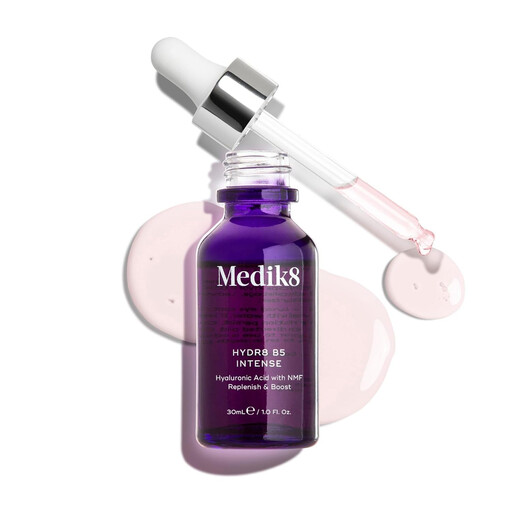
Why this product fits: For skin prone to redness, tightness, and irritation. This serum for sensitive skin is designed to intensely hydrate while strengthening the skin's resilience.
Instead of relying on a single active ingredient, it combines hyaluronic acid with Panthenol and Natural Moisturizing Factors (NMFs). This combination not only addresses moisture deficiency but also actively supports skin barrier repair.
The formula is free from fragrance and alcohol. The addition of Saskatoon Berry extract, a source of antioxidants, helps protect the skin from environmental stress.
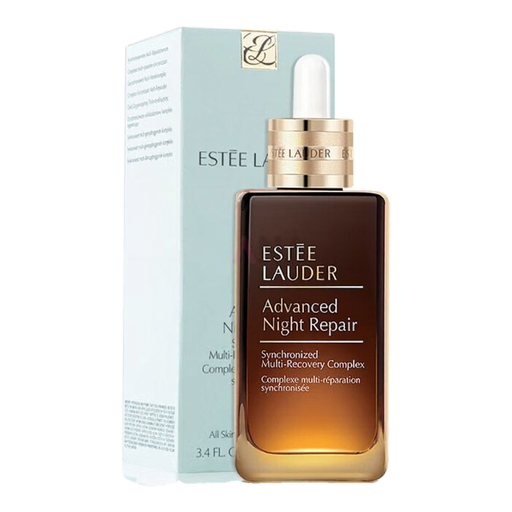
Why this product fits: For users seeking a comprehensive solution that goes beyond simple hydration to also address signs of ageing. It is an investment in a multi-functional formula.
This serum doesn't just promote a single ingredient. Its value lies in its complex, synergistic formula with peptides (Tripeptide-32), fermented ingredients (Bifida Ferment Lysate), and antioxidants that work together to repair and protect the skin.
The formula is designed to support the skin's natural overnight repair processes. In addition to intense hydration from hyaluronic acid, it aims to reduce the appearance of fine lines and wrinkles.
We have compiled a complete, up-to-date list of products that fully meet these strict selection criteria and current regulations.
1. Can a hydrating serum be used alone, or do I need a cream? A serum is designed to deliver water-based active ingredients into the skin. However, to seal this moisture in and prevent evaporation, it is recommended for most skin types, especially dry skin, to follow up with a moisturising cream. The cream forms a protective barrier on the skin's surface.
2. How often should I use a hyaluronic serum? Most hydrating serums are gentle enough for twice-daily use—morning and evening. Apply it to slightly damp skin after cleansing and before your moisturiser to optimise absorption. Consistency is key to keeping the skin's moisture levels consistently high.
3. How do I know if my skin needs a hydrating serum? Typical signs of dehydrated skin include an uncomfortable feeling of tightness, the appearance of fine dehydration lines, a dull complexion, and a lack of radiance. Paradoxically, dehydrated skin can also lead to increased sebum production as it tries to compensate for the lack of water with more oil.