
Lieferung heute & morgen

Qualitätsgarantie

Willkommens-Angebote freischalten: KOSTENLOSE Lieferung | Bis zu 80 % RABATT | Kostenlose 30-Tage-JoyPlus-Testphase
App herunterladen
A hydrating toner is often the first and most crucial step after cleansing to moisturise the skin and prepare it for subsequent skincare products. However, the market is saturated with products whose marketing promises often create more confusion than clarity. This guide will help you identify the key features and make an informed choice based on objective criteria.
Many purchasing decisions are influenced by clever marketing that doesn't always reflect the product's actual performance. Here are two common pitfalls to avoid:
To make the right choice, you should focus on verifiable product characteristics. Two factors are particularly relevant here.
An effective hydrating toner combines different types of active ingredients to provide optimal care for the skin.
The base of a toner is just as important as its active ingredients. Many modern K-Beauty toners replace plain water with fermented extracts or plant saps that provide additional nutrients.
Based on the objective criteria above, we have identified several products suitable for specific user profiles.
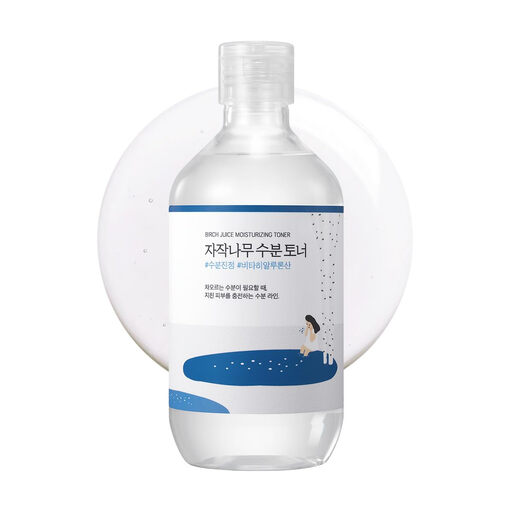
Why It's a Match: Ideal for users seeking intense yet gentle hydration. The formula is tailored to the needs of dehydrated and sensitive skin that reacts quickly to external stressors.
Instead of relying on a single trendy ingredient, this toner uses birch sap as its base, combining it with a complex of different molecular weights of hyaluronic acid, plus soothing panthenol and allantoin.
The lightweight, watery texture absorbs instantly without stickiness, providing deep hydration. The formula has been tested for low irritation potential.
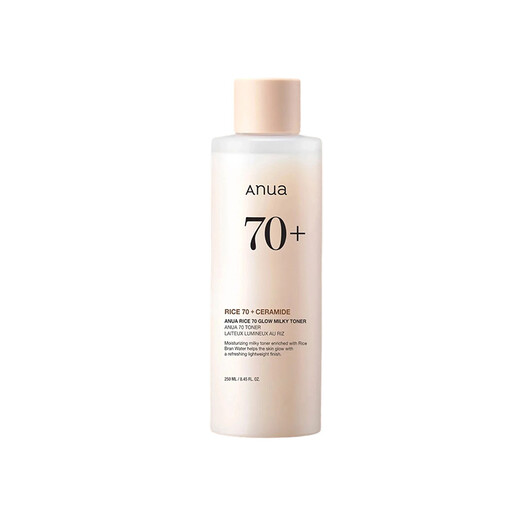
Why It's a Match: Suitable for those looking to not only hydrate but also improve a dull complexion and uneven skin texture. A classic example of a K-Beauty toner.
This product bypasses the ‘single-ingredient wonder’ pitfall by combining a high concentration (70%) of rice water with proven ingredients like Niacinamide and ceramides for a comprehensive effect.
The milky, lightweight texture provides intense moisture without feeling heavy. The formula is non-comedogenic, making it also suitable for blemish-prone skin.
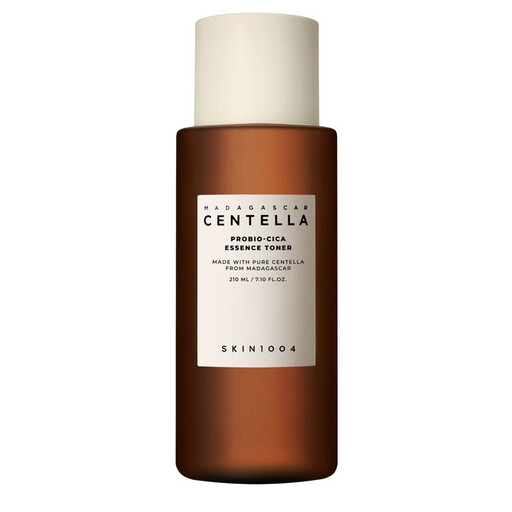
Why It's a Match: Designed for users with a compromised skin barrier who are prone to redness and irritation. The focus is clearly on soothing and repair.
This product is a prime example of a targeted formulation. It avoids a ‘one-size-fits-all’ approach, focusing on a complex of fermented Centella Asiatica and probiotics to strengthen the skin barrier.
The essence-like texture provides moisture and intensely soothes the skin. The formula supports skin barrier repair and helps restore the skin's balance.
We've compiled a complete, up-to-date list of products that fully meet these strict selection criteria and comply with current regulations.
Generally, no. A toner's primary role is to hydrate and prepare the skin after cleansing, while a serum contains a higher concentration of active ingredients to target specific skin concerns. However, modern formulations like "Essence Toners," which have a denser consistency, can offer more nourishing properties than a traditional toner and complement the effects of a serum.
A Korean toner is applied immediately after cleansing your face, both morning and evening. You can either gently pat it into the skin with your hands to enhance absorption or use a cotton pad. For particularly intensive hydration, the "7-Skin Method" is popular, which involves applying several thin layers of a lightweight toner consecutively.
While avoiding drying alcohols (e.g., Alcohol Denat., Ethanol) is advisable for a toner for sensitive skin, not all alcohols are harmful. So-called fatty alcohols, such as Cetyl or Stearyl alcohol, can have moisturising and emulsifying properties. It is therefore more important to evaluate the entire ingredient list and formulation rather than relying solely on the "alcohol-free" label.