
Lieferung heute & morgen

Qualitätsgarantie

Willkommens-Angebote freischalten: KOSTENLOSE Lieferung | Bis zu 80 % RABATT | Kostenlose 30-Tage-JoyPlus-Testphase
App herunterladen
A hydrating facial toner can complement your skincare routine after cleansing, but it is not automatically suitable for every skin type. Many products are marketed with claims such as “intense hydration,” “barrier protection” or especially innovative active-ingredient complexes. What matters, however, is whether the formula suits your skin, your existing routine and your tolerance of alcohol, fragrance or acids.
Hyaluronic acid, plant extracts, ferments and vitamin complexes are common ingredients in hydrating toners. However, the sheer number of ingredients says little about whether a product is suitable for your skin. For sensitive skin, a lengthy INCI list containing fragrance, essential oils or multiple plant extracts can make choosing more difficult.
Always check the complete ingredients list first. An alcohol-free toner or a fragrance-free product may offer a more straightforward option for people with dry or irritation-prone skin. That alone is not a guarantee of individual compatibility.
A lightweight toner usually absorbs quickly and feels pleasantly fresh. However, it does not necessarily replace a cream or emulsion. Especially during German winters, in dry heated indoor air or after frequent washing, skincare often requires an additional step to help lock in moisture.
Check whether the product is described as a simple facial water used after cleansing, an essence toner or a richer lotion. Brands do not use these terms consistently.
Even a toner marketed as gentle or hypoallergenic can trigger individual reactions. For sensitive skin, fragrance, essential oils, ethanol and exfoliating acids are particularly relevant. Before the first full application, a patch test on a small area of skin is advisable. If burning, redness or persistent discomfort occurs, discontinue use.
For a facial toner for dry skin, humectants such as glycerin, betaine, panthenol or hyaluronic acid are often worth looking for. Sodium Hyaluronate is a widely used form of hyaluronic acid in cosmetics. Its precise effect depends on the complete formula and on how the product is used.
If you are looking for a hyaluronic acid toner, pay attention to the texture as well. Very fluid products are generally suitable for layering, while lotions or essence toners can already leave the skin feeling richer and more nourished.
A toner containing ethanol can feel light and refreshing, but it may not be comfortable for every dry or sensitive skin type. Fragrance and essential oils should also be assessed carefully. Products containing AHA, LHA or other exfoliating ingredients require additional precautions. For example, the SKIN1004 product contains Capryloyl Salicylic Acid; according to the product information, increased sun sensitivity may be relevant with AHA-containing formulations. Daily sun protection is therefore particularly important.
A 50 ml travel size is practical for trying a product or taking it on the go, while 300 to 400 ml provides a more substantial supply for daily use. Application technique also affects consumption: cotton pads generally require more product than applying it directly with your hands.
For most toners, applying the product after cleansing is sufficient. Follow with serum, emulsion or cream, depending on your skin’s needs. Multiple layers may work with lightweight formulas, but should always be adjusted to how your skin feels.
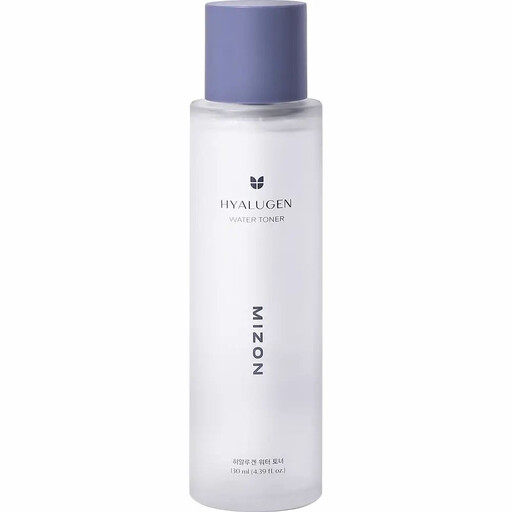
Why it fits: A compact size for anyone who wants to incorporate a toner into their morning and evening routine initially.
The product information describes a vegan, fragrance-free and hypoallergenic formula. Nevertheless, the ingredients list should be reviewed individually before purchase.
130 ml; the listed INCI includes Sodium Hyaluronate, Glycerin, Betaine and Beta-Glucan.
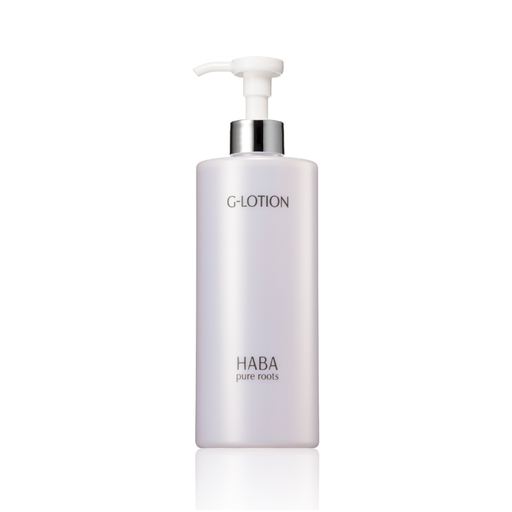
Why it fits: Its water-light texture and generous size make it suitable for regular, multi-layer application.
According to the product description, the formula is free from added fragrance, colourants and preservatives. It should not be used on irritated or damaged skin.
360 ml; the formula includes Sodium Hyaluronate, algae extract and Sasa Kurilensis Water, among other ingredients.
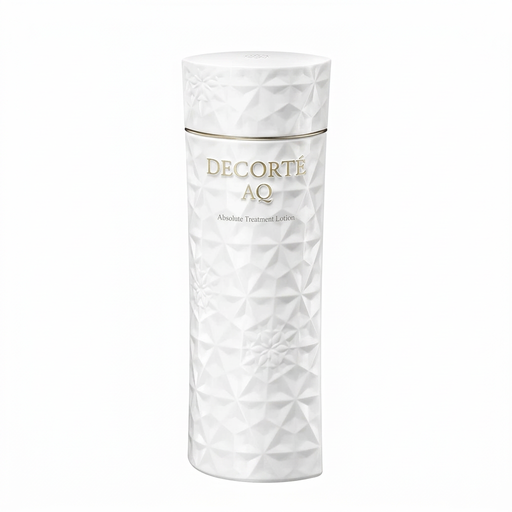
Why it fits: The lotion marketed as “Rich Type” is aimed at users who prefer a less watery toner for dry or mature skin.
The product information explicitly identifies ethanol and fragrance. This should be taken into account before purchase, particularly if your skin is very dry or sensitive.
200 ml; the listed ingredients include Glycerin, Ectoin, Squalane and Sodium Chondroitin Sulfate.
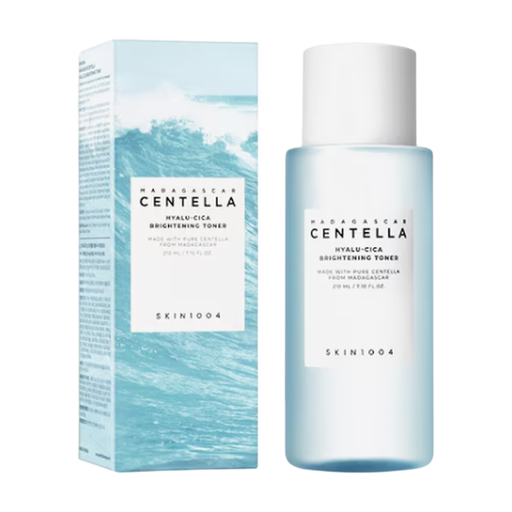
Why it fits: The combination of hydrating and exfoliating ingredients may appeal to users who want to address several skin concerns within a single routine.
The product information lists AHA- and LHA-related ingredients. This product should therefore not be treated as a purely soothing, alcohol-free toner.
210 ml; the product information lists Centella Asiatica Water, several forms of hyaluronic acid and ceramides.
Explore our category for a current selection of products suited to different skin types and skincare preferences.
Apply the toner after cleansing to dry or slightly damp skin, depending on the product’s specific instructions. With liquid formulas, using your hands helps reduce cotton-pad consumption. For dry skin, follow with a cream or emulsion in most cases.
Shelf life is determined by the best-before date shown on the packaging or the PAO symbol. After opening, monitor the product’s scent, colour and texture. If any of these change, discontinue use. The products mentioned are generally best stored at room temperature and protected from direct sunlight and heat.
According to their instructions, many products are intended for use in the morning and evening. If you have sensitive skin, a gradual introduction is advisable: start by using the toner once a day or on selected days, then monitor your skin’s response.
Not necessarily, but avoiding ethanol can make choosing a toner easier for dry or sensitive skin. The complete INCI list remains decisive. Fragrance, essential oils and acids can also affect compatibility.
That depends on the size, frequency of use and application technique. A 50 ml bottle is better suited to trying a product or travelling; 200 to 360 ml is more practical for a regular routine. Applying several layers naturally increases product consumption.