
Lieferung heute & morgen

Qualitätsgarantie

Willkommens-Angebote freischalten: KOSTENLOSE Lieferung | Bis zu 80 % RABATT | Kostenlose 30-Tage-JoyPlus-Testphase
App herunterladen
A reliable hydraulic jack is the foundation for safe and efficient work on your vehicle, whether for seasonal tyre changes, maintenance, or repairs in your own garage. But the market can be confusing, and not every model delivers on its promises. The wrong choice can lead not only to frustration but also to serious safety risks. As your Joybuy Product Recommendation Officer, I'll help you identify the key features and avoid common purchasing pitfalls.
Before we dive into the technical details, let's look at the three most common issues that lead to a poor purchase. Understanding these will help you search for a suitable model more effectively.
To ensure your new jack performs its job reliably, you should carefully examine three core parameters. These define the performance, safety, and suitability for your specific vehicle.
The specified lifting capacity is the maximum weight the jack can safely lift. A fundamental safety rule states that the jack's lifting capacity should be at least 75% of your vehicle's gross vehicle weight rating (GVWR). For example, a 3t jack (3,000 kg) offers a sufficient safety margin for most passenger cars and many SUVs. Remember: you never lift the entire vehicle, but the load on a single lifting point can be substantial due to weight distribution (e.g., the heavy engine over the front axle).
The lifting range is defined by two values:
The most common types have specific advantages and disadvantages:
To make your choice easier, we have compiled a few models for typical user profiles.
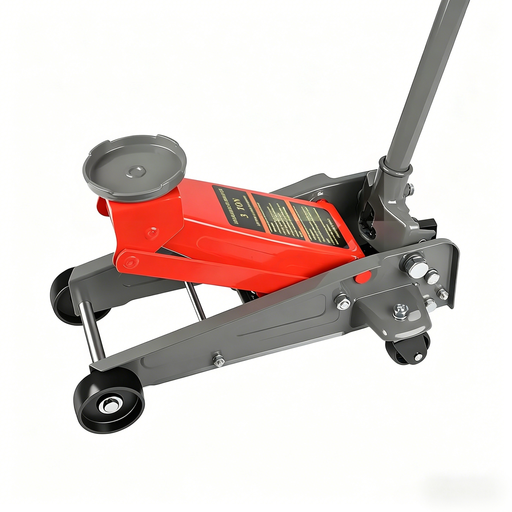
Why This Fits Their Persona: Ideal for DIY mechanics who need a versatile tool for various car models. The combination of a 3-ton capacity and a wide lifting range covers most use cases in the home garage, from small cars to SUVs.
With a 3-ton lifting capacity, it offers a high safety margin and avoids the pitfall of an undersized jack. The 135-460 mm lifting range is flexible enough for most standard vehicles.
Solid steel construction for durability. 360° swivel castors for easy manoeuvring in the garage.
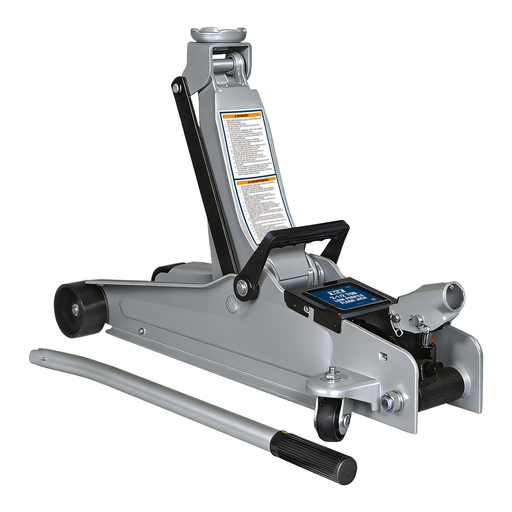
Why This Fits Their Persona: Specifically designed for sports cars and vehicles with low ground clearance. The very low clearance height is the key feature here, which standard jacks often cannot provide.
Solves the problem of an unsuitable profile height with a clearance of just 85 mm. This allows it to fit under very low chassis without damaging the sills.
Ultra-low profile. Robust steel construction for stability. Certified according to EN 1494.
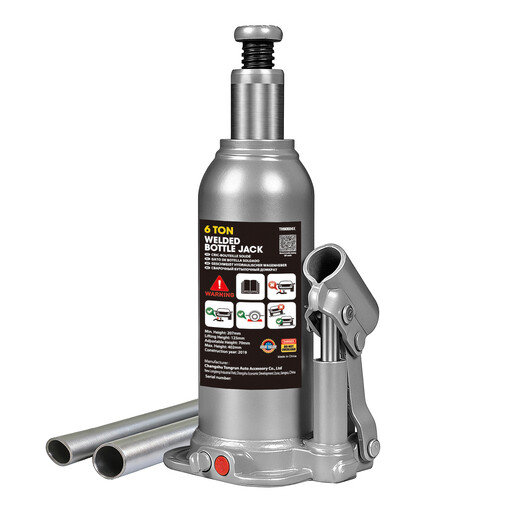
Why This Fits Their Persona: Perfect for owners of heavy SUVs, pick-up trucks, or light commercial vehicles. The high lifting capacity and robust, compact design make it a reliable tool for heavy loads.
With a lifting capacity of 6 tons, it is designed for heavy vehicles and avoids the risk of overloading. The forged steel base prevents material fatigue under high loads.
Very high lifting capacity. Compact design for easy storage. Safety overflow valve for added protection.
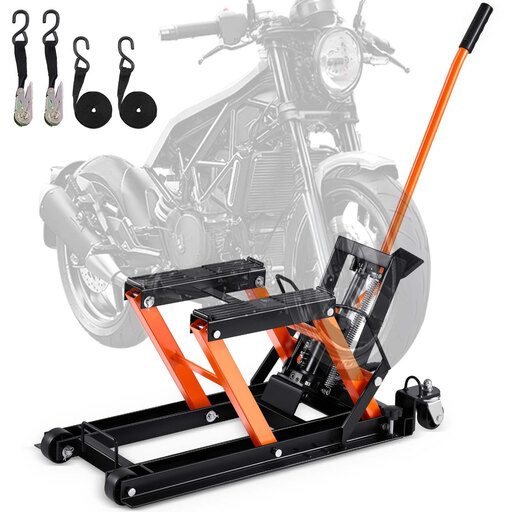
Why This Fits Their Persona: A specialised tool for anyone who regularly works on motorcycles. The wide, non-slip platform provides a secure base for the bike and allows for maintenance at an ergonomic height.
Avoids the unsafe attempt to lift a motorcycle with an unsuitable car jack. The non-slip rubber pad and stable platform are specifically designed for motorcycle frames.
High 700 kg capacity for heavy machines. Smooth hydraulic pump with foot pedal. Swivel castors for easy positioning.
We have compiled a complete, up-to-date list of products that fully meet these strict selection criteria and safety regulations.
1. How do I choose the right lifting capacity for my jack? A safe rule of thumb is to choose a lifting capacity that is at least 75% of your vehicle's gross vehicle weight rating (GVWR). You can find this information in your vehicle's registration document or owner's manual. A higher capacity provides a greater safety margin and reduces wear on the jack's materials.
2. What is the difference between a trolley jack and a bottle jack? A trolley jack is long, low-profile, and has wheels, making it very stable and easy to manoeuvre – ideal for the garage. A bottle jack has a vertical design, is very compact, and often more affordable, but it requires an absolutely flat, solid surface due to its smaller footprint.
3. How do I properly maintain and store a hydraulic jack? Always store the jack in its fully lowered position to protect the piston rod from corrosion and dirt. Keep it in a dry place. Before each use, inspect it for any visible damage or oil leaks. The hydraulic oil level should be checked regularly according to the manufacturer's instructions.