
Lieferung heute & morgen

Qualitätsgarantie

Willkommens-Angebote freischalten: KOSTENLOSE Lieferung | Bis zu 80 % RABATT | Kostenlose 30-Tage-JoyPlus-Testphase
App herunterladen
A tyre change, brake maintenance, or a quick inspection of the underbody – for many vehicle maintenance tasks, a reliable hydraulic jack is essential. However, choosing the right model can be a challenge given the wide variety of types, lifting capacities, and features. Which jack is suitable for a small car, which for a heavy SUV, and which for a truck?
This guide is designed to provide you with clear and objective orientation. We will explain the key differences between common models and present a selection of hydraulic jacks designed for various applications. This will enable you to make an informed decision based on the specific requirements of your vehicle.
Before making a decision, you should consider two fundamental criteria: the type of jack and the required lifting capacity and height.
Hydraulic jacks can be primarily divided into two categories, each optimised for different use cases.
Selecting the right specifications is crucial for safe use.
Here you will find a selection of models from the BIG RED TORIN brand, designed for different vehicle classes and requirements.
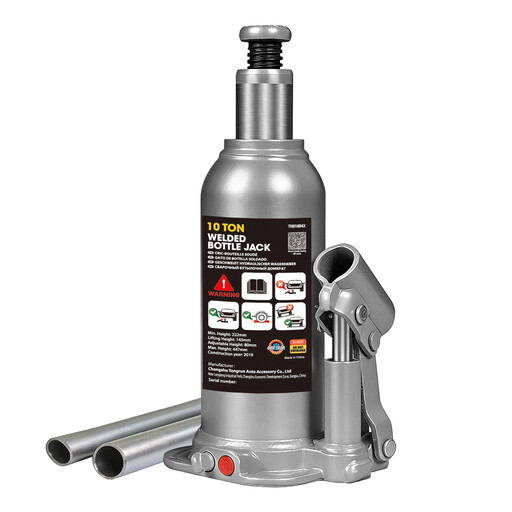
What makes it stand out This bottle jack is designed for industrial use and lifting heavy-duty vehicles. Its forged steel base and fully automated welds ensure a robust structure. The chrome-plated piston is corrosion-resistant, while a safety bypass valve protects against overloading.
Benefits at a Glance:
Who is it for? This 10t jack is the right choice for owners and operators of heavy commercial vehicles such as trucks, buses, construction vehicles, and other industrial equipment that require high and reliable lifting performance.
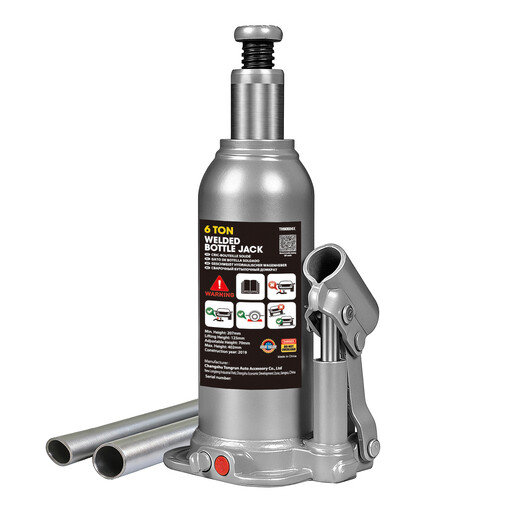
What makes it stand out As a versatile bottle jack, this model offers solid performance for heavy cars and light commercial vehicles. It shares many design features with the 10-tonne model, including the forged steel base and safety bypass valve, but is designed for a 6-tonne lifting capacity.
Benefits at a Glance:
Who is it for? Ideal for owners of SUVs, pick-ups, and light-duty trucks. This 6t jack offers high lifting capacity in a compact format and is suitable for use in the workshop as well as on the go.
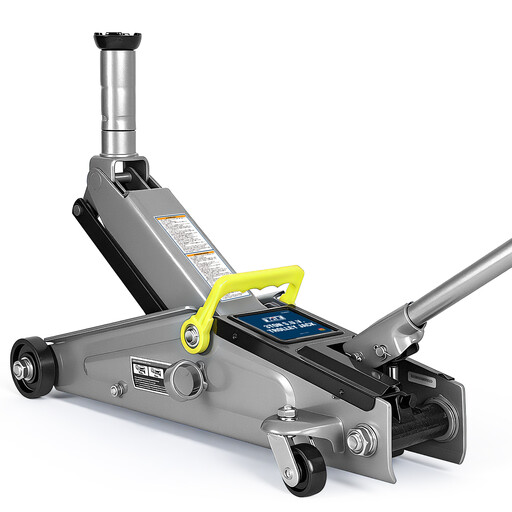
What makes it stand out This trolley jack combines a robust steel construction with a wide lifting range and easy manoeuvrability. The CE certification and integrated overload safety valve ensure safe use. Thanks to its horizontal design and wheels, it can be effortlessly positioned under most vehicles.
Benefits at a Glance:
Who is it for? This 3t jack is an all-rounder for private car maintenance. It is perfect for DIY enthusiasts who regularly change tyres or perform other work on their cars, SUVs, or vans and value stability and a wide lifting range.
If these recommendations do not include the right model for your specific needs, you can find a wider selection of lifting tools in our range.
? Discover more Valve Tools and find the right tool for your project.
For most standard cars (small cars, saloons, estates), a jack with a lifting capacity of 2 to 3 tonnes is sufficient. A 3t jack provides a good safety margin. For heavy SUVs, off-road vehicles, or light-duty vans, a capacity of at least 3 tonnes or more is recommended, depending on the vehicle's kerb weight.
A hydraulic jack uses fluid pressure (oil) to lift loads with minimal effort. It allows for smooth and controlled lifting and lowering. A mechanical jack, like the classic scissor jack found in a car's toolkit, works via a screw thread and typically requires significantly more physical effort. Hydraulic models are therefore more convenient and powerful.
Only place the jack at the jacking points specified by the vehicle manufacturer. These are usually indicated by markings on the vehicle's sill (the reinforced area of the frame under the doors). You can find the exact position in your vehicle's owner's manual. Incorrect placement can cause serious damage to the underbody or bodywork and compromise the stability of the lifted vehicle. Always secure the vehicle with jack stands before working underneath it.