
Lieferung heute & morgen

Qualitätsgarantie

Willkommens-Angebote freischalten: KOSTENLOSE Lieferung | Bis zu 80 % RABATT | Kostenlose 30-Tage-JoyPlus-Testphase
App herunterladen
Hydrogel eye pads are a simple addition to your daily skincare routine. These gel-like eye care patches are placed under the eyes, release moisture while they are left on and often leave the skin feeling cool. For many shoppers, the main concerns are dry skin, a tired-looking gaze, dark circles or puffy eyes.
However, the choice is extensive. Terms such as “instant freshness boost”, “lifting effect” or “anti-ageing” do not automatically describe an objectively measurable effect. If you do not compare the packaging with the ingredients list, you may end up paying for a product that is not suited to your skin or intended use.
Eye pads for dark circles or puffy eyes can make the skin look temporarily fresher. Puffiness can be influenced by lack of sleep, salt intake, allergies or individual factors, among other things. Cosmetic patches are therefore not a substitute for medical advice and should not be treated as a permanent treatment.
The term anti-ageing eye pads is also initially just a product category. What matters is which ingredients are actually included and how long the pads are intended to be used for.
A hydrogel patch should sit as evenly as possible on cleansed skin. If the pad slips, serum can run more easily towards the eye and cause a stinging sensation. Very thin patches feel pleasantly light, but may slip more quickly when they contain a large amount of liquid. A larger shape provides more coverage, but will not suit every eye area.
A pack containing 60 pads generally equates to 30 applications when one pair is used each time. By contrast, a sachet containing two pads is intended for a single application. When planning costs, it is therefore the price per application that matters, not just the pack price.
For moisturising eye pads, common ingredients include glycerin, panthenol, betaine and hyaluronic acid. Hyaluronic eye pads can provide moisture to the skin’s surface, making fine lines caused by dryness appear less pronounced. The effect is cosmetic and depends on the condition of your skin, the formulation and the application time.
Collagen eye pads often contain collagen or hydrolysed collagen. In cosmetic formulations, the main focus is on care and the way the skin feels. Caffeine eye pads are often marketed as a way to create a fresher-looking eye area. If you are sensitive to fragrances, alcohol or certain plant extracts, you should check the complete INCI list.
Retinal, retinyl palmitate and bakuchiol are also ingredients that may be found in products focused on smoothing or revitalising care. For a delicate eye area, it is advisable to carry out a patch test on a small area of skin before using the product for the first time.
Depending on the product, the recommended application time is between around five and 30 minutes. Leaving the pads on for longer is not automatically beneficial: if a patch dries out, it can make the skin feel less comfortable. The specific instructions on the packaging should therefore take priority.
Typical routine:
When using jars, the spatula and your hands should be clean. After opening, the lid must be closed tightly to prevent the pads from drying out. Details such as the best-before date, batch number and period after opening can be found on the packaging. Individual sachets are practical for travelling or occasional use and reduce the contents’ exposure to air.
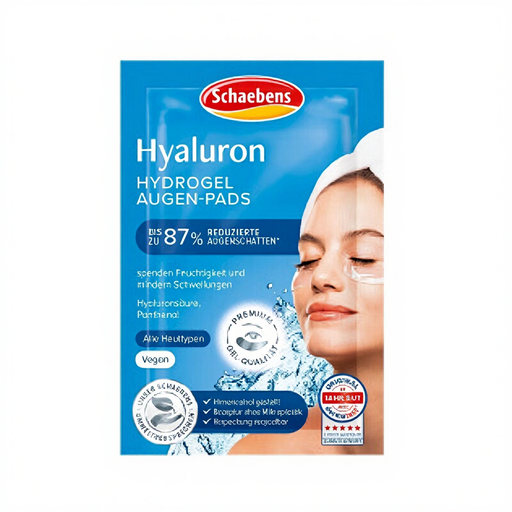
Why this product suits the profile: The sachet format is suitable for people who want to try hydrogel eye pads occasionally at first and do not want to open a large jar.
The stated application time is around 10 to 15 minutes, making it easy to plan the routine.
Hyaluronic acid is listed in the product description, and according to the supplier, the pads are suitable for all skin types.
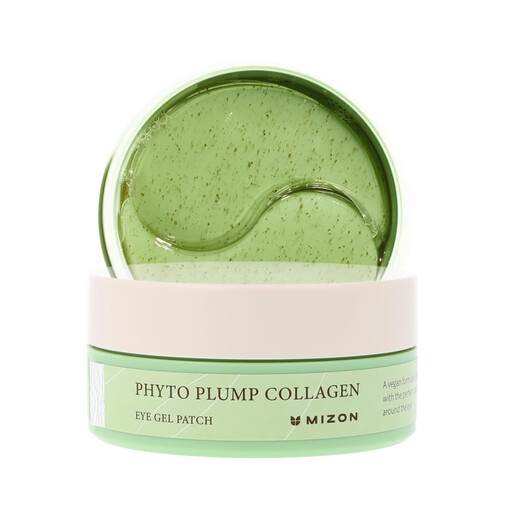
Why this product suits the profile: The pack of 60 pads is suitable for regular skincare routines and appeals to fans of Korean eye care.
The recommended application time is 15 to 20 minutes. Guidance on skin compatibility and stopping use if irritation occurs is also provided.
The formulation includes collagen, hyaluronic acid, panthenol and niacinamide, among other ingredients.
We have put together a complete, regularly updated list of products that fully meet these strict selection criteria and the safety regulations applicable in the EU.
The application time depends on the product. Around 10 to 20 minutes is often recommended, while some eye masks allow for longer application times. The instructions on the sachet or jar are the ones to follow. Leaving the pads on for longer can irritate the skin or cause a dry, tight feeling if the pad has already started to lose moisture.
Cosmetic eye pads can add moisture and create a temporarily fresher appearance through their cool, moist texture. This does not indicate a permanent change to dark circles or puffiness. If symptoms are recurring, severe or appear suddenly, the cause should be assessed by a medical professional.
This depends on the formulation and the manufacturer’s instructions. Some products are intended for daily use, while others are designed for two or three applications per week. If you have sensitive skin, it is advisable to start gradually. Fragrances, retinoids, alcohol and plant extracts can trigger reactions in some people, so the INCI list should be checked before buying and before using the product for the first time.