
Lieferung heute & morgen

Qualitätsgarantie

Willkommens-Angebote freischalten: KOSTENLOSE Lieferung | Bis zu 80 % RABATT | Kostenlose 30-Tage-JoyPlus-Testphase
App herunterladen
Tired-looking eyes, dehydration lines or morning puffiness can be specifically addressed with a short skincare routine. Hydrogel eye patches sit directly on the skin, release serum during wear and can temporarily improve how the skin feels. However, they are no substitute for sleep or daily facial care and are not a medical product.
Before buying, it is worth taking a close look at the formula, application and quantity. Not every product is suitable for sensitive skin, and a striking brand name reveals little about the actual ingredients.
Terms such as “for dark circles”, “firming” or “anti-ageing eye patches” generally describe the intended cosmetic benefit. However, dark circles can have genetic or pigmentation-related causes, or may be caused by visible blood vessels. Hydrogel patches can hydrate the skin and make the eye area appear temporarily fresher. This does not automatically imply a lasting change.
A long INCI list may contain caring ingredients such as glycerin, panthenol or hyaluronic acid, but also fragrance, alcohol or preservatives. Anyone prone to sensitive skin should check the complete ingredient list on the packaging. If you have known allergies, a patch test on a small area of skin is recommended.
A product containing 60 patches generally provides 30 applications if one patch is used per eye. An eye patch in an individual sachet, on the other hand, usually contains just one pair. For budgeting purposes, the price per application should therefore be considered rather than the pack price alone.
For dry skin, hydrating eye patches containing glycerin, sodium hyaluronate, hyaluronic acid or panthenol are an obvious choice. Hyaluronic acid binds water at the skin’s surface and is available in different forms and concentrations. A product labelled “hyaluronic acid eye patches” is therefore not automatically identical to another product with the same claim.
For tired-looking eyes, formulations often include caffeine, niacinamide or taurine. These ingredients are used in cosmetics to make the eye area appear fresher or more even-toned. Eye patches for puffiness should also be suitable for chilled storage if this is recommended by the manufacturer.
Collagen and peptides are typical ingredients in collagen eye patches. They can support skincare and contribute to a smoother, more supple feel. Retinal or retinyl palmitate, by contrast, are vitamin A derivatives. With these formulations, the manufacturer’s guidance is particularly important. During pregnancy or breastfeeding, medical advice should be sought before using a retinal-containing product.
A hydrogel patch should sit securely beneath the eye without slipping towards the eye itself. A contoured or flexible shape makes application easier. Depending on the product, the patches may also be used on nasolabial folds or other dry areas of the face. They should only be applied to intact skin.
A spatula is practical for jars containing multiple patches because it makes removal more hygienic. Individual sachets eliminate this step, but create more packaging waste.
Depending on the product, recommended wear times range from around 5 to 30 minutes. Wearing them for longer is not necessarily beneficial. Once the hydrogel has dried out completely, it may even feel uncomfortable on the skin. After use, the remaining serum is usually gently patted in without rubbing the eye area vigorously.
Cool storage can enhance the refreshing sensation. However, a refrigerator is only advisable if the product or packaging permits it. Opened jars should be tightly closed, stored upright and protected from direct sunlight.
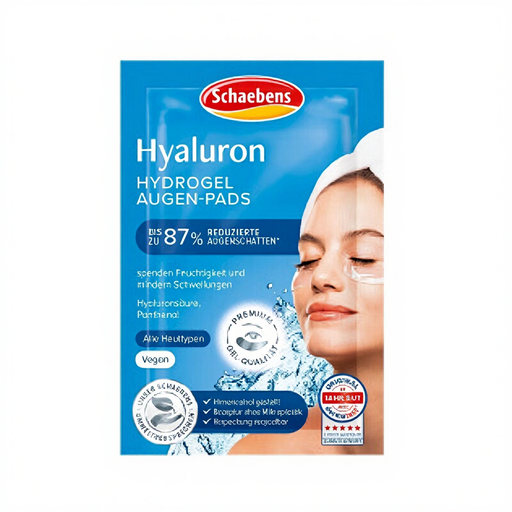
Why This Fits Their Persona: An uncomplicated option for anyone looking for a quick hydration boost without an elaborate skincare routine.
The product description clearly specifies hydrogel, hyaluronic acid and a wear time of 10 to 15 minutes, making the material and application easy to assess.
According to the product information, free from parabens, mineral oils, colourants and silicones; designed for various skin types.
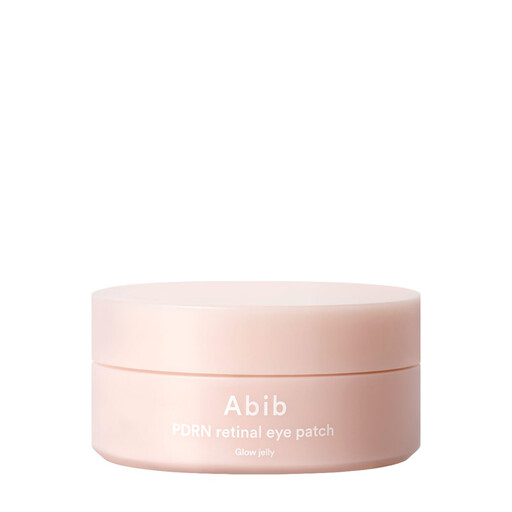
Why This Fits Their Persona: For users who prefer a Korean formula featuring several categories of active ingredients.
The product information explicitly points to retinal and vitamin A. This ensures important precautions are not concealed behind a vague “glow” claim.
60 patches; according to the product description, additionally formulated with niacinamide, caffeine, panthenol and sodium hyaluronate.
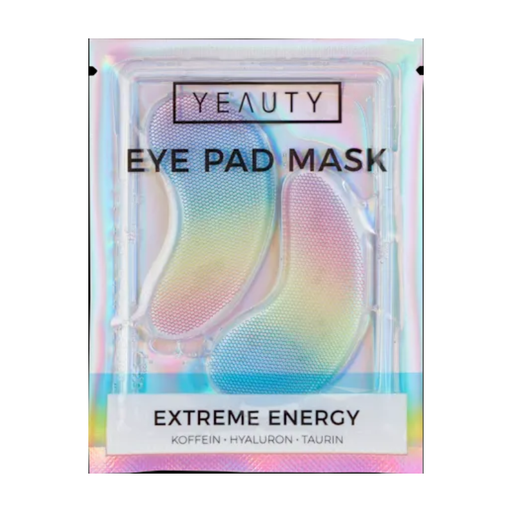
Why This Fits Their Persona: Practical for one-off applications before events, after a short night’s sleep or as a weekly addition to your routine.
The individual sachet avoids committing to a large pack. The stated wear time of 10 to 15 minutes also makes planning easier.
According to the product description, formulated with caffeine, hyaluronic acid and taurine; listed as free from PEGs and preservatives.
Our complete selection includes products with different formulas, pack sizes and wear times to suit your daily eye-care routine.
When using eye patches containing retinal or retinol, sunscreen should be applied during the day. Avoid direct contact with the eyes. Do not apply patches to irritated, damaged or sunburned skin.
This depends on the product’s instructions. Many multipacks are intended for two to three applications per week, while thinner sheet patches can sometimes be used more frequently. Skin response, formula and the manufacturer’s guidance are the deciding factors.
Individual sachets should be used immediately after opening. With jars containing 30 or 60 patches, the lid must be closed tightly after each use. The specific best-before date and any guidance on the period after opening can be found on the packaging.
Cosmetic eye patches can provide hydration and, thanks to their cool, moist application, temporarily make the eye area appear more refreshed. Persistent, severe or one-sided swelling should be medically assessed to determine the cause.