
Lieferung heute & morgen

Qualitätsgarantie

Willkommens-Angebote freischalten: KOSTENLOSE Lieferung | Bis zu 80 % RABATT | Kostenlose 30-Tage-JoyPlus-Testphase
App herunterladen
A hydrogel face mask can complement your skincare routine when your skin feels dry, tight or tired. Unlike a traditional sheet mask, it consists of a gel-like base layer that sits closely against the skin and holds a cosmetic essence. However, the term “hydrogel” alone is not enough to make the right choice. The formulation, fit, application instructions and pack size are all important factors.
Hyaluronic acid, collagen, niacinamide and PDRN are often heavily promoted. However, their exact position in the INCI list, their concentration and the other ingredients are more relevant when assessing a product. For example, a face mask with hyaluronic acid may mainly contain humectants such as glycerine and various forms of hyaluronic acid. This suggests a hydrating focus, but does not prove a medical or long-lasting effect.
A collagen face mask should also be viewed objectively: cosmetic collagen and hydrolysed collagen are primarily used as conditioning ingredients in formulations. Claims about changes to deeper skin structures cannot automatically be inferred from this.
Many traditional sheet masks and hydrogel masks are designed to be worn for around 10 to 20 minutes. Other Korean face masks, including certain Real-Deep variants, are recommended in the product description for several hours or overnight. These instructions are not interchangeable. A mask should only be worn for as long as stated on the packaging.
If a mask dries completely or your skin starts to sting, it should be removed. Wearing a mask for longer does not automatically mean more intensive care.
Sensitive skin can react to fragrances, essential oils, preservatives or certain plant extracts. If you are looking for a soothing face mask, do not just look for terms such as “Soothing” or “Calming”; check the full ingredients list as well. Before first use, it may be sensible to carry out a cautious patch test on a small area of skin.
A face mask should leave the eyes, nose and mouth as clear as possible and sit securely without slipping significantly. Two-part hydrogel masks can adapt better to different face shapes. For targeted areas, there are eye patches or a chin mask. The latter cares only for the jaw and chin area and does not replace a full-face hydrating mask.
With a sheet mask, it is also important that the material is sufficiently saturated with essence without dripping excessively. Hydrogel often adheres more closely to the skin, but it can also come loose if you move around a lot.
Single masks are ideal for trying a product, while packs of 4, 6 or 10 can reduce the price per mask. Before buying, check:
If you use masks regularly, the price per mask is more informative than the pack price.
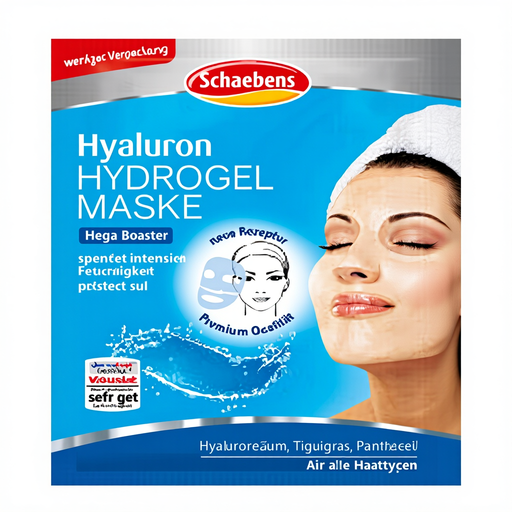
Why this product suits this profile: The single hydrogel mask is ideal for trying out hydrating skincare without committing to a larger pack. Hyaluronic acid is the focus of the product description.
The single portion limits the risk of making an unsuitable purchase. Before use, however, the INCI list and wear time on the packaging remain decisive.
Hydrogel base material and a hydration-focused formulation with hyaluronic acid, according to the product information.
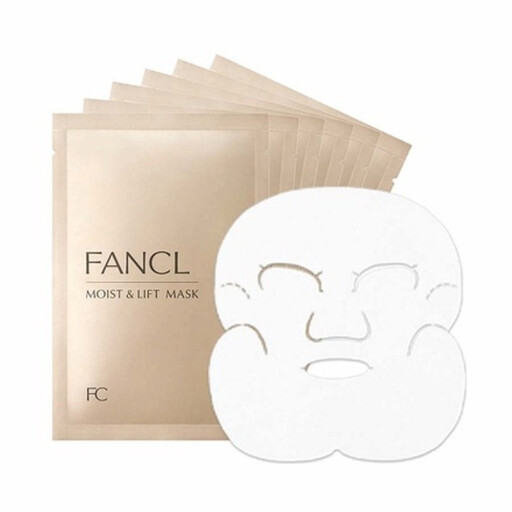
Why this product suits this profile: The pack contains six masks and combines hydrolysed collagen with hyaluronic acid. The mask’s special design is intended to provide a close, secure fit across the face.
The ingredients list and application instructions are provided in detail. This makes it easier to compare the product with your personal skincare routine.
Six individual sheets, hydrolysed collagen, hyaluronic acid and a mask design described as providing a close, secure fit.
We have put together a complete, regularly updated list of products that fully meet these strict selection criteria and the safety regulations applicable in the EU.
Do not apply a cosmetic mask to injured, inflamed or severely irritated skin. If redness, itching or swelling occurs, stop using the product. If symptoms persist, it is advisable to seek dermatological advice.
This depends on the formulation and the condition of your skin. Many products are intended for use once or twice a week; according to the packaging, some hydrating masks can be used more frequently. The manufacturer’s instructions are decisive. Using a mask more often does not automatically produce better results.
Traditional products are often worn for 10 to 20 minutes. Some Korean hydrogel masks are designed to be used for two to four hours or overnight. The relevant instructions for use must be followed. If you experience tightness, stinging or severe dryness, remove the mask sooner.
The price depends on the brand, active ingredient profile and pack size. For a realistic comparison, divide the pack price by the number of masks or patches it contains. Single portions are convenient for trying a product, while multipacks can reduce the price per piece if used regularly.