
Lieferung heute & morgen

Qualitätsgarantie

Willkommens-Angebote freischalten: KOSTENLOSE Lieferung | Bis zu 80 % RABATT | Kostenlose 30-Tage-JoyPlus-Testphase
App herunterladen
A hydrogel face mask can be a practical addition to your daily skincare routine when your skin feels dry, tight or dull. Unlike conventional sheet masks, the gel-like material usually sits closely against the skin and contains a fluid skincare formula. Depending on the product, the focus may be on hydration, soothing care, a fresh skin feel or complementary care for an uneven-looking complexion.
However, product selection should not be based solely on terms such as “glow”, “lifting” or “clinically tested”. The key factors are the ingredients, application time, fit and skin tolerance. The following selection by the Joybuy Product Recommendation Officer categorises hydrogel masks according to specific skincare needs.
A face mask generally remains on the skin for a limited period. Skin may look smoother or plumper after application due to the additional moisture, but this does not automatically indicate a lasting result. Terms such as anti-ageing face mask, “firming” or “brightening” often describe a product’s positioning and should not be equated with a medical effect.
When choosing a face mask for pigmentation, it is therefore worth examining the specific formula, for example checking for niacinamide or alpha-arbutin. Daily sun protection nevertheless remains a separate and essential part of any skincare routine.
Centella asiatica, hyaluronic acid, collagen, niacinamide and other botanical extracts are often combined in a Korean face mask or sheet mask. However, a longer ingredient list does not automatically make a product more suitable for every skin type.
Sensitive skin may react to fragrances, essential oils or certain preservatives. Before using a product for the first time, a patch test on a small area of skin is advisable. If redness, itching, swelling or burning occurs, discontinue use. A hydrogel mask should not be applied to damaged or already irritated skin.
Single masks are suitable for occasional use, while multipacks can be more economical for a regular routine. Depending on the product, the recommended application time ranges from approximately 10 to 20 minutes to 30 to 40 minutes. Leaving a mask on longer than recommended does not automatically provide an additional benefit.
Formats also vary considerably: A classic hydrating mask covers the entire face, while a chin patch such as the KOCOSTAR Hydrogel Chin Pack is designed to target the jawline.
For dry skin, humectants such as glycerin, hyaluronic acid and sodium hyaluronate are relevant. A hyaluronic acid face mask can help support the skin’s surface hydration. Ceramides and panthenol are often used in formulas focused on caring for the skin barrier.
Those looking for a soothing face mask may wish to look for Centella asiatica, madecassoside, allantoin or beta-glucan. With products containing niacinamide or alpha-arbutin, skin tolerance should remain the priority. The actual INCI list on the packaging is decisive, as formulas may change.
Hydrogel usually adheres differently from a conventional sheet mask. A good fit helps prevent slipping and ensures even contact with the skin. Check whether the mask consists of one or two sections and whether the eye and mouth openings are positioned comfortably.
Material stability is also relevant for longer application times. Some hydrogel masks become more transparent after being worn for an extended period. This is a product characteristic, but on its own it says nothing about therapeutic efficacy.
Most masks are applied after cleansing and, if desired, after toner. Once removed, the remaining essence can be gently patted into the skin; rinsing is only necessary if specified in the product instructions. Applying a moisturiser afterwards may be beneficial if the skin still feels dry.
Anyone sensitive to fragrance should check the INCI list for “parfum” and essential oils. For sheet masks containing plastic components, local disposal guidance should also be followed.
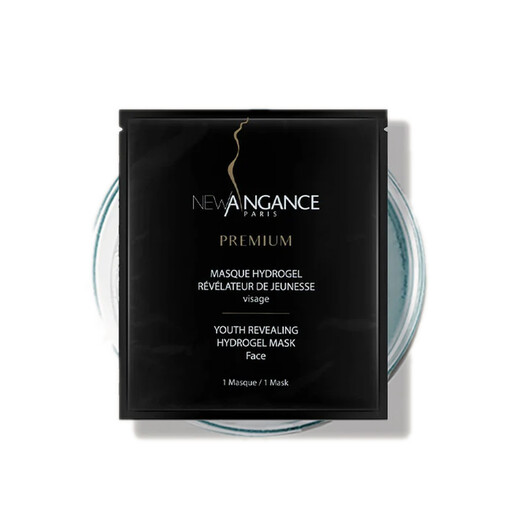
Why it suits this profile: The single pack is ideal for anyone who wants to try a hydrogel face mask without committing to a multipack.
The stated application time of 15–20 minutes is clearly defined. Centella asiatica, witch hazel and sodium hyaluronate are listed among the ingredients; fragrance is also included.
Single-use format, hydrogel material and botanical extracts focused on hydration and a comfortable skin feel.
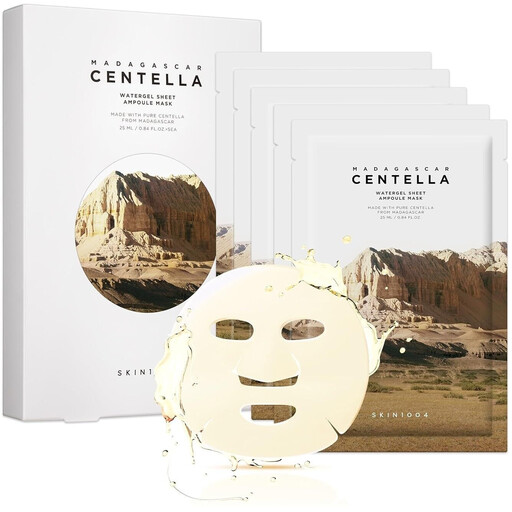
Why it suits this profile: The five-pack is designed for users of Korean skincare who prefer to incorporate a Centella face mask into their regular routine.
The formula specifies 51% Centella asiatica extract along with several forms of hyaluronic acid. However, sensitive skin should be patch-tested because the formula contains Mentha arvensis oil.
25 ml per mask, a recommended application time of 10–20 minutes and a watergel sheet with Centella, chamomile and peony root extract.
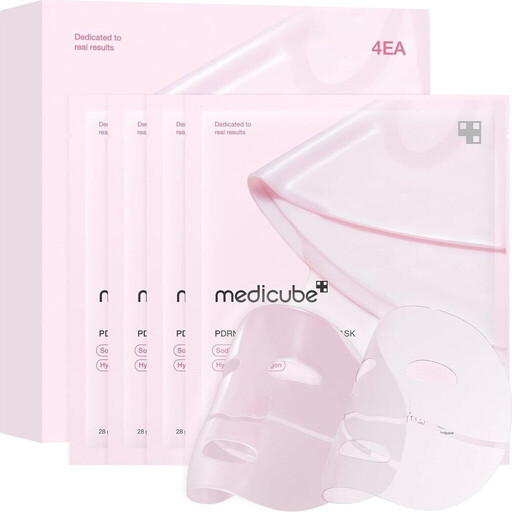
Why it suits this profile: The recommended wear time of 30–40 minutes fits into a more extensive evening routine when the mask is intended for more than a quick pre-outing treatment.
The application time is clearly differentiated from the classic 10–20-minute masks. The product description mentions PDRN, hydrolysed collagen, niacinamide, adenosine and ceramides NP; the packaging remains the authoritative source for checking the current INCI list.
Four single-use masks per pack, a hydrogel texture and several ingredients designed to support hydration and skincare.
We have compiled a current selection of products that can be compared by material, application time, ingredients and intended use.
A hydrogel face mask is not a substitute for daily cleansing or sun protection. If skin problems persist or you have a diagnosed skin condition, product selection should be discussed with a dermatologist.
This depends on the formula and your skin’s tolerance. Many products are intended for occasional use, while multipacks facilitate regular application. The manufacturer’s specific guidance should always be followed. For sensitive skin, it is advisable to start cautiously with one application per week.
A sheet mask is generally made from a fibre or non-woven layer soaked in essence. A hydrogel face mask, by contrast, uses a gel-like material that often sits more closely against the skin. Both formats can provide hydration, but fit, application time and ingredients vary from product to product.
Unopened masks can be used up to the printed best-before or expiry date, provided they have been stored correctly. Opened individual sachets should be used immediately. Do not use the mask if its colour has changed, it has developed an unusual smell or the packaging is damaged.