
Lieferung heute & morgen

Qualitätsgarantie

Willkommens-Angebote freischalten: KOSTENLOSE Lieferung | Bis zu 80 % RABATT | Kostenlose 30-Tage-JoyPlus-Testphase
App herunterladen
The search for an effective face mask can quickly become overwhelming. Especially in the realm of hydrogel and gel masks, many products promise an instant skin transformation. However, not every mask that advertises impressive ingredients delivers the desired results. Common marketing traps and unclear product claims often lead to disappointment and unnecessary spending.
This guide will help you identify the defining features of a high-quality hydrogel mask. We'll show you what to look for to distinguish empty promises from genuine efficacy and find a mask that is precisely tailored to your skin's needs.
Before making a purchasing decision, it's important to know the most common issues that can compromise a mask's effectiveness.
To avoid these pitfalls, you should check three central criteria when choosing your next mask. These will help you objectively evaluate product quality.
The term "gel mask" is broad. It's important to distinguish between different types:
The INCI list is your most important tool. Pay attention to where the key ingredients are positioned.
Consider what you want to achieve with the mask. Are you looking for a quick refresh before a special occasion or an intensive treatment to improve your skin's appearance?
Based on the criteria above, we have identified several products suitable for different user profiles and skin goals.
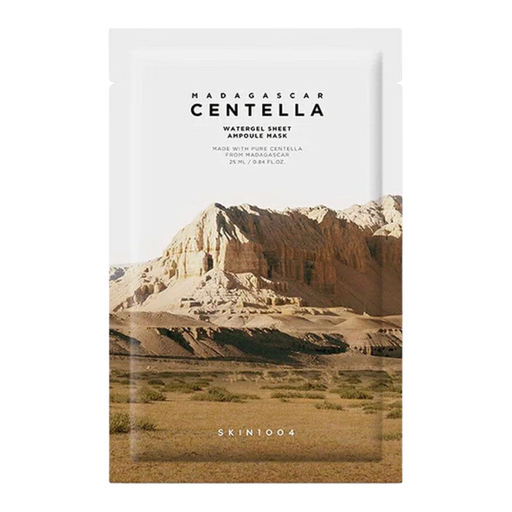
Why This Fits Their Persona: Ideal for users seeking a reliable, highly concentrated solution for soothing and hydration. Perfect for sensitive or irritated skin that needs straightforward and effective care.
It avoids the low-concentration trap, as it contains 51% Centella Asiatica extract according to the manufacturer. The water-gel structure ensures good adhesion and prevents slipping.
High concentration of a proven soothing ingredient. The formula is designed for intensive hydration and calming.
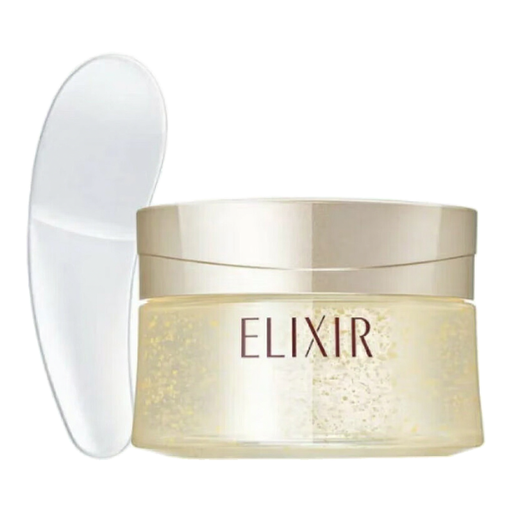
Why This Fits Their Persona: Perfect for busy individuals who want effective skincare without the extra time commitment. Applied as the final step of the evening routine, the mask works overnight to firm and hydrate the skin.
Completely bypasses the poor-fit problem of sheet masks. The gel texture is applied directly and is designed for long-lasting ingredient delivery overnight, going beyond a mere instant effect.
Simple application as an overnight treatment. It targets firming and radiance and is suitable for all skin types.
We have compiled a complete, up-to-date list of products that fully meet these strict selection criteria and all applicable safety regulations.
1. How often should you use a hydrogel mask? The frequency of use depends on the product and your skin condition. A general hydrating face mask can be used 2-3 times a week. More intensive treatments, like an anti-aging face mask with active ingredients, should be used less frequently, about 1-2 times a week. Always follow the manufacturer's recommendations on the packaging.
2. What is the difference between a hydrogel mask and a sheet mask? The main difference is the material. Classic sheet masks are made of fibres (e.g., cotton or microfibre) soaked in serum. A hydrogel mask is made of the gel itself, a polymer network that can hold a large amount of active ingredients. Hydrogel masks often adhere better, feel cooler, and their composition can slow down the evaporation of the serum, allowing for more efficient ingredient delivery.
3. Do I need to wash my face after using a gel mask? In most cases, it's not necessary. For hydrogel and sheet masks, it is recommended to gently pat the remaining essence into the skin after removing the mask until it is fully absorbed. You can then apply your usual moisturiser. Rinsing is only required for wash-off masks from a jar after the application time. Always check the instructions on the specific product.