
Lieferung heute & morgen

Qualitätsgarantie

Willkommens-Angebote freischalten: KOSTENLOSE Lieferung | Bis zu 80 % RABATT | Kostenlose 30-Tage-JoyPlus-Testphase
App herunterladen
A hydrogel mask promises intense hydration and targeted delivery of active ingredients to the skin. However, the market is saturated with products whose marketing claims often suggest more than their formulations can deliver. To make an informed purchasing decision, it's crucial to understand the common pitfalls and know which objective criteria truly matter.
As your Joybuy Product Recommendation Officer, I'm here to help you navigate the noise and make a selection based on facts, not hype.
Many users invest in products that fail to deliver the desired long-term results. This is often due to two common misconceptions fuelled by clever marketing.
To ensure your next hydrating face mask truly nurtures your face and skin, you should check three key parameters.
The fundamental difference lies in the structure. A classic sheet mask is a fabric soaked in essence. A hydrogel mask, on the other hand, consists of a polymer gel that holds the active ingredients directly within its matrix.
A long list of ingredients is no guarantee of efficacy. What matters is which active ingredients are present in relevant concentrations and whether they align with your skin goals.
The application time provides a clue about the mask's design. While most masks are intended for 15–20 minutes of use, there are special hydrogel products designed to be worn for several hours or even overnight. These masks often become transparent as the skin absorbs the essence, allowing for an exceptionally intensive treatment.
Here are some product recommendations tailored to different user profiles and their specific requirements.
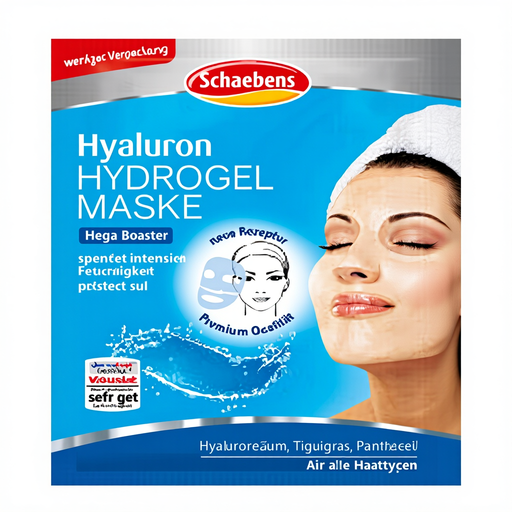
Why This Fits Their Persona: Ideal for users seeking a straightforward and effective solution for dry skin. The focus is clearly on intense hydration through hyaluronic acid, without an overloaded ingredient list.
This mask focuses on a proven key active ingredient (hyaluronic acid), thus avoiding the pitfall of confusing ingredient lists. The hydrogel material ensures better adhesion and active ingredient delivery than a simple sheet mask.
Targeted hydration to reduce the appearance of fine lines caused by dryness. The gel texture provides a pleasant cooling effect.
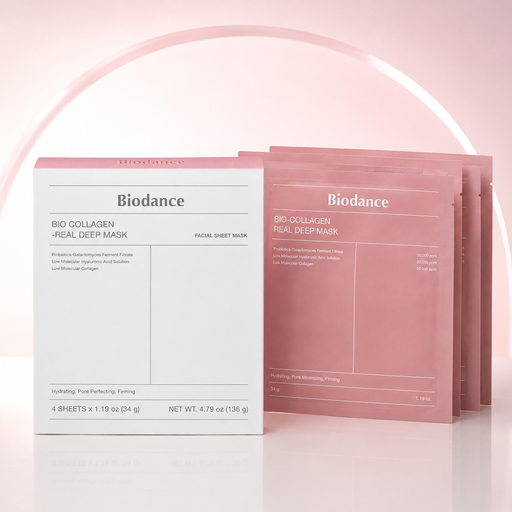
Why This Fits Their Persona: Suitable for users looking for an intensive treatment to improve skin elasticity and firmness. The option for overnight use makes it an intensive care treatment.
This mask bypasses the "material lottery" by using a hydrogel that visually demonstrates its effectiveness: it becomes transparent as the skin absorbs the essence. This indicates an effective and complete delivery of active ingredients.
Formulated with low-molecular-weight oligo-hyaluronic acid and collagen. Designed for long-wear application (3-4 hours or overnight).
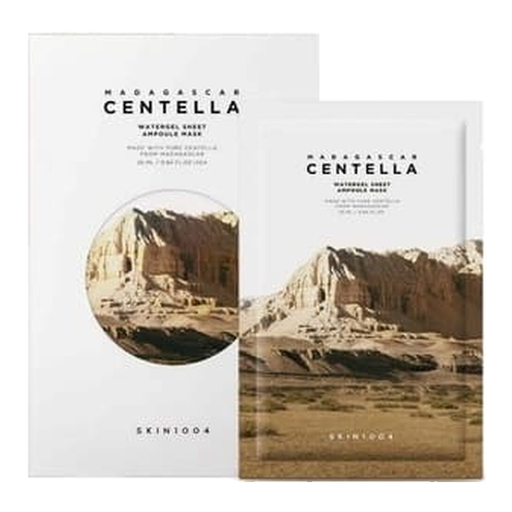
Why This Fits Their Persona: Designed for skin prone to redness, irritation, and sensitivity. The high concentration of a single soothing active ingredient provides targeted and gentle care.
This mask avoids the "overload" pitfall by focusing on a high concentration (51%) of Centella Asiatica extract. Instead of a cocktail of many ingredients in low doses, it delivers a potent, targeted effect.
Very high concentration of Centella Asiatica for intensive skin soothing. The lightweight water-gel texture provides hydration without feeling heavy.
In addition to face masks, there are also specialised products like hydrogel eye patches, which specifically target the needs of the delicate eye area, such as puffiness and dryness. Alternatively, products like a gel cream offer daily, lighter hydration with a similar texture.
We have compiled a complete, real-time list of products that fully satisfy these strict selection criteria and UK safety regulations.
1. How often should you use a hydrogel mask? The frequency of use depends on your individual skin condition and the specific product. As a general guideline, using a mask 1-2 times a week can be a beneficial supplement to your daily skincare routine. For particularly dry or stressed skin, more frequent use may be helpful in the short term. Always follow the manufacturer's recommendations.
2. What is the difference between a hydrogel mask and a sheet mask? The main difference lies in the carrier material. Sheet masks are made of a fabric (e.g., cotton, fleece) soaked in serum. Hydrogel masks consist of a gel polymer that holds the active ingredients within its structure. Hydrogel typically offers better adhesion to the face, a cooling effect, and more efficient, longer-lasting delivery of active ingredients, as evaporation is slowed down.
3. Can you leave a hydrogel mask on overnight? This is only advisable if the manufacturer explicitly recommends it. Some masks, like the Biodance Bio-Collagen Real Deep Mask, are specifically designed for multi-hour or overnight use, becoming transparent in the process. Standard hydrogel masks should be removed after the recommended application time (usually 15–20 minutes). If left on for too long, they could theoretically begin to draw moisture back out of the skin once they dry out.