
Lieferung heute & morgen

Qualitätsgarantie

Willkommens-Angebote freischalten: KOSTENLOSE Lieferung | Bis zu 80 % RABATT | Kostenlose 30-Tage-JoyPlus-Testphase
App herunterladen
Dark spots, acne scars and an uneven skin tone can be targeted with the right serum as part of your daily facial skincare routine. However, the choice is vast: niacinamide serum, vitamin C serum, alpha-arbutin serum, tranexamic acid and retinoids are all frequently linked to a more even complexion. What really matters isn't just the brand name, but the combination of ingredients, skin tolerance, packaging and how you use it.
A high concentration sounds convincing at first. However, it doesn't automatically mean a product is suitable for every skin type. A niacinamide serum with 20% can be too strong for some users, whereas 4 to 5% may fit better into a regular skincare routine. The rest of the formulation – such as humectants or soothing ingredients – also affects how well it works day to day.
Terms like brightening serum, illuminating face serum or radiance-boosting serum describe cosmetic skincare goals. They are not proof that pigmentation spots will disappear permanently. Visible changes can depend on your skin type, the cause of the discolouration, UV exposure and consistent use.
A serum for pigmentation spots does not replace sun protection. UV radiation can encourage the formation or worsening of visible discolouration. In your morning routine, you should therefore follow up with a suitable broad-spectrum sunscreen. If you use retinoids or certain forms of vitamin C, pay close attention to the instructions on the product label.
For sensitive or acne-prone skin, fragrance-free formulations, a short ingredients list and hydrating components such as glycerin, panthenol or hyaluronic acid are often practical selection criteria. Fragrances, denatured alcohol or several active acids can be irritating for some individuals. An individual reaction cannot be predicted from the label alone.
Vitamin C and retinoid-containing products should be protected from light and heat according to the manufacturer's instructions. Before buying, check the fill volume, dispenser, expiry date and period-after-opening symbol. The ingredients list can change, so the labelling on the actual packaging is what counts.
Before the first full application, a patch test on a small area of skin is recommended. If redness, burning, itching or swelling persists, stop using the product and consult a dermatologist if necessary.
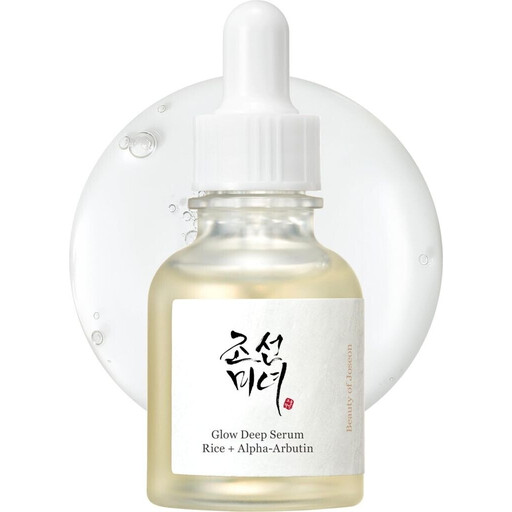
Why this product fits the profile: The formulation combines alpha-arbutin, niacinamide, glycerin and panthenol, making it suitable for beginners looking for a straightforward serum for an uneven skin tone.
The ingredients list clearly names the relevant active ingredients. This makes it easier to base your choice on your own skincare goals rather than on generic marketing claims.
30 ml content; alpha-arbutin and niacinamide in a hydrating, fragrance-free formulation according to product information.
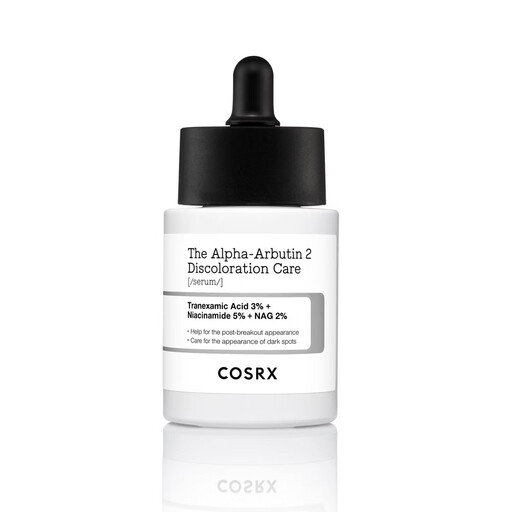
Why this product fits the profile: If you're looking for a comprehensive treatment for dark spots, this one contains alpha-arbutin, tranexamic acid, niacinamide, ferulic acid, glutathione and five forms of hyaluronic acid according to the product description.
The key claim of 2% alpha-arbutin and the additional moisturising components are transparently stated. This makes it easier to compare with other products.
50 ml content; fragrance-free, lightweight texture according to product information and several hydrating ingredients.
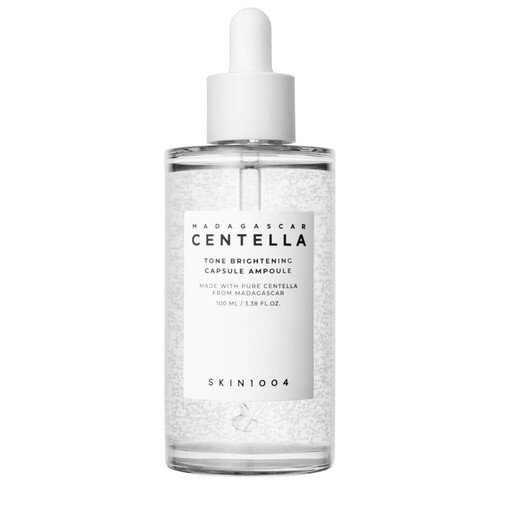
Why this product fits the profile: The 100 ml ampoule is aimed at those who want a larger volume for regular use and wish to combine niacinamide, tranexamic acid and centella asiatica.
Alongside the brightening ingredients, panthenol and centella asiatica are listed. The choice is therefore not based solely on a single high percentage.
100 ml content; lightweight texture with niacinamide and tranexamic acid according to the product description.
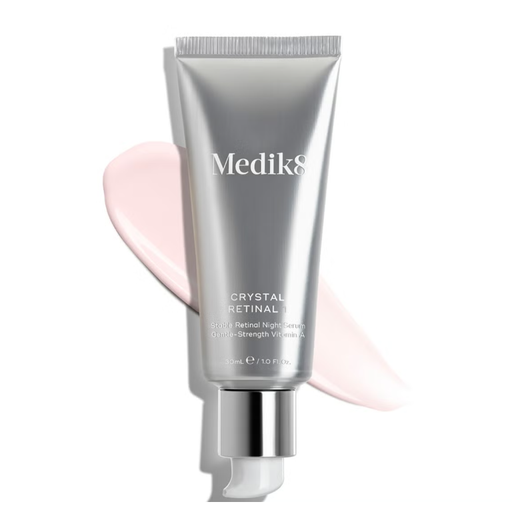
Why this product fits the profile: This serum is designed for those who want to address both an uneven skin tone and early signs of ageing in their evening routine.
The product information states 0.01% stabilised retinal and recommends a gradual introduction. This helps you avoid starting with too high an initial frequency.
Retinal in encapsulated form; hyaluronic acid, glycerin and vitamin E are included according to the ingredients list.
We have put together a complete, regularly updated list of products that fully meet these strict selection criteria and the safety regulations in force in the EU.
Cosmetic skincare usually requires regular use over several weeks. A specific timeframe cannot be determined for all skin types or causes. If a discolouration changes, becomes painful, bleeds or appears new and unusual, it should be assessed by a dermatologist.
Many formulations already contain several of these ingredients. When combining individual products, it is sensible to proceed slowly and introduce only one new product at a time. For sensitive skin, alternating applications can help you better assess your individual tolerance.
A short ingredients list, a fragrance-free formulation and hydrating ingredients can make the selection easier. Perform a patch test before the first application. If irritation persists, stop using the product; for more severe or recurring issues, dermatological advice is recommended.