
Lieferung heute & morgen

Qualitätsgarantie

Willkommens-Angebote freischalten: KOSTENLOSE Lieferung | Bis zu 80 % RABATT | Kostenlose 30-Tage-JoyPlus-Testphase
App herunterladen
By the Joybuy Product Recommendation Officer, August 30, 2026
The search for the right cream for sensitive skin can be frustrating. Redness, tightness, or itching are constant companions, and the market is flooded with products that promise quick relief. However, many of these promises turn out to be costly marketing traps that, in the worst-case scenario, can even exacerbate the problem.
As your Product Recommendation Officer at Joybuy, I see it as my duty to provide you with objective and practical guidance. Instead of relying on advertising claims, we will focus on the facts. In this guide, I will show you the most common pitfalls to avoid and the crucial criteria you should look for to make an informed decision.
Before we turn to the solutions, it's important to understand the typical hurdles that lead to poor purchasing decisions.
To find a suitable face cream for sensitive skin, you should focus on verifiable facts. The following three points are of central importance.
The International Nomenclature of Cosmetic Ingredients (INCI) is your most important tool. Look for formulations that avoid known irritants.
A hypoallergenic cream is often characterised by a short and clear INCI list.
Sensitive skin is often associated with a weakened skin barrier. This protective layer prevents moisture from escaping and irritants from penetrating. A good moisturiser for dry skin or sensitive conditions not only provides moisture but also supplies the building blocks to repair this barrier. Lipids, ceramides, and fatty acids are crucial here. This is particularly relevant for skincare for atopic dermatitis (eczema), where the barrier function is chronically impaired.
Packaging is more than just design. For preservative-free formulations, an airless pump dispenser or a tube with a special membrane is preferable to an open jar. This type of packaging protects the contents from air and germs, which ensures the stability and purity of the cream.
Based on the objective criteria mentioned above, we have selected a few products from our range that are suitable for different user profiles.
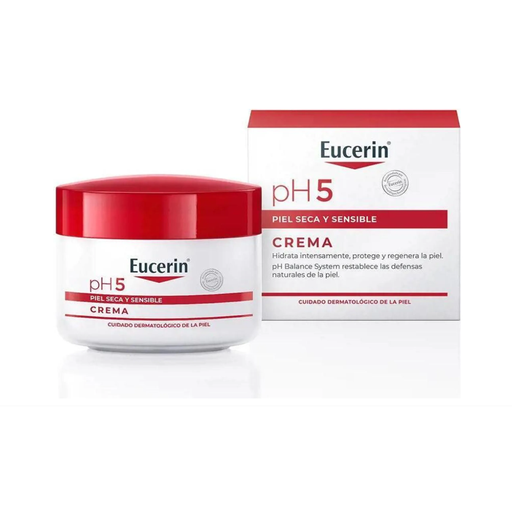
Why This Fits Their Persona: Ideal for users seeking a straightforward yet effective base care for daily use. The formula is designed to maintain the skin's natural pH value and strengthen its resilience without overwhelming it.
Focuses on the scientifically-backed approach of pH balance to strengthen the skin barrier, rather than on short-lived marketing ingredients.
Supports the skin's natural protective function; lightweight texture that absorbs quickly and is non-greasy.
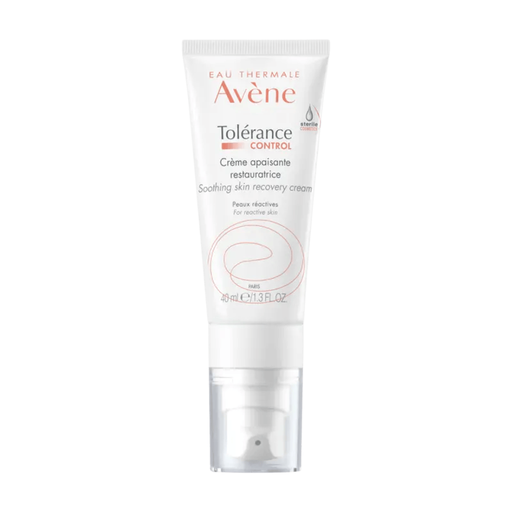
Why This Fits Their Persona: Specifically developed for skin that reacts to almost everything. The sterile packaging and minimalist formula with very few ingredients reduce the potential for irritation to an absolute minimum.
Completely free of preservatives and fragrances. This is made possible by its hermetic packaging—a technical advantage, not just a marketing gimmick.
According to the manufacturer, it soothes skin irritations like redness and tightness in 30 seconds; contains a patented post-biotic active ingredient.
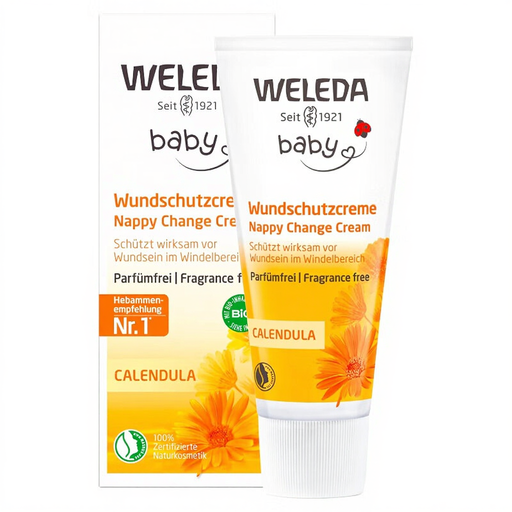
Why This Fits Their Persona: The fragrance-free formula is gentle enough for delicate baby skin, making it an excellent choice for adults seeking minimalist, soothing care to relieve redness.
Relies on a concise list of proven ingredients like calendula extract, almond oil, and zinc oxide, instead of a long list of potentially irritating 'natural' extracts.
Reliably protects against dampness and irritation (thanks to zinc oxide and lanolin); promotes skin regeneration on reddened skin.
We have compiled a complete, up-to-date list of products that fully meet these strict selection criteria and German safety regulations.
Generally, application twice a day—morning and evening—on cleansed skin is recommended. However, adjust the frequency based on your skin's needs. More frequent application may be beneficial in cases of extreme dryness, cold weather, or after contact with irritating substances.
The term "hypoallergenic" is not legally protected. However, it signals that the manufacturer has avoided known allergens such as fragrances, dyes, or certain preservatives in the formulation. A reliable indicator is a short, transparent ingredient list and an explicit "fragrance-free" claim.
Although there are overlaps, the focus is different. A moisturiser for dry skin primarily focuses on compensating for a lack of oil and moisture. A cream for sensitive skin goes a step further: it also aims to actively soothe irritation, reduce redness, and avoids potentially irritating ingredients.