
Lieferung heute & morgen

Qualitätsgarantie

Willkommens-Angebote freischalten: KOSTENLOSE Lieferung | Bis zu 80 % RABATT | Kostenlose 30-Tage-JoyPlus-Testphase
App herunterladen
A flawless, even complexion that lasts all day—that's the goal when buying face powder. The reality, however, is often quite different: a chalky finish, unwanted shine after just a few hours, or powder that settles into fine lines. Before you purchase a face powder, it's helpful to know the most common pitfalls that can lead to a less-than-flattering result.
To avoid these problems, it's crucial to understand the fundamental parameters of a powder and match them to your own skin's needs.
The first decision concerns the form of the powder. Both versions have specific use cases.
Not all face powders are created equal. The function significantly determines the result.
For many users, especially those with sensitive skin, the ingredients are a decisive criterion.
A mineral powder, as the name suggests, is based on finely ground minerals. The most common components include mica, zinc oxide, titanium dioxide, and iron oxides. Many formulations deliberately omit oils, talc, silicones, fragrances, or preservatives, making them a great option for reactive skin types. Brands like BareMinerals have specialised in the development of mineral powder and offer a wide range of shades and formulations.
The choice of the right powder heavily depends on lifestyle and individual needs. Here are some recommendations tailored to specific user profiles.
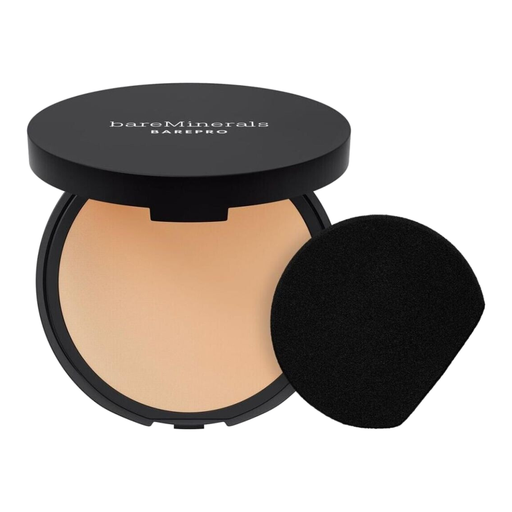
Why It's a Match: This pressed powder doubles as a powder foundation, saving a step in your morning routine. It's perfect for quick touch-ups between meetings or on the go and fits easily into any handbag.
As a tinted powder foundation, it's matched to a specific skin tone. This eliminates the risk of an unflattering grey cast from the start.
Offers buildable, high coverage with a matte finish. According to the manufacturer, the formula is vegan and fragrance-free.
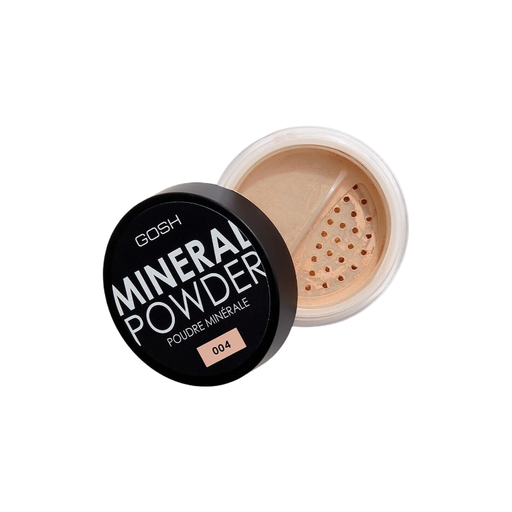
Why It's a Match: This loose powder is ideal for anyone who prefers a lightweight, barely-there feel. It evens out the complexion with a natural, matte finish without feeling heavy or looking mask-like.
The lightweight mineral powder formula prevents a "cakey" effect. It blends well with the skin, avoiding the texture mismatch problem for normal to slightly oily skin types.
A vegan formula that, according to the manufacturer, provides medium to full coverage for an even, natural finish.
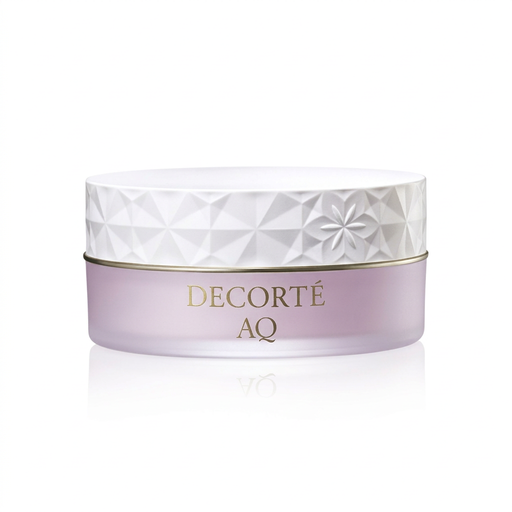
Why It's a Match: This is a classic loose setting powder. Its primary function is to seal in makeup for maximum longevity—an essential step for special occasions or long days.
As a high-quality, finely milled translucent powder, it melts into the skin when applied correctly and sparingly, minimising the risk of a chalky appearance or flashback.
Creates a translucent, lightweight finish that sets makeup, controls shine, and visibly refines the appearance of pores.
If you're specifically looking for powder products with coverage, we've compiled a selection of products that meet the criteria mentioned.
1. How do I apply powder without it looking "chalky"? The key is using the right amount and the right tool. Use a large, fluffy brush for loose powder and a powder puff or a denser brush for pressed powder. Always tap off any excess product from the brush before applying it to your face. Start in the T-zone, where shine is most common, and work your way outwards using light, patting or rolling motions.
2. Can I use powder without foundation? Yes, you can. A powder foundation is specifically designed for this purpose, offering coverage and mattification in one. A simple mattifying powder can also be applied alone to the skin to reduce shine. However, a purely translucent setting powder will have little visible effect on its own, as its main job is to set the makeup layers underneath.
3. What is the difference between a setting powder and a finishing powder? Although the terms are often used interchangeably, there is a functional difference. A setting powder is applied directly after foundation to lock it in and extend its wear time. A finishing powder is applied as the very last step over your entire makeup look. It is usually even more finely milled and serves to blur the appearance of pores and give the complexion a soft-focus effect.