
Lieferung heute & morgen

Qualitätsgarantie

Willkommens-Angebote freischalten: KOSTENLOSE Lieferung | Bis zu 80 % RABATT | Kostenlose 30-Tage-JoyPlus-Testphase
App herunterladen
Choosing a car seat is one of the most important decisions for expectant and new parents. However, the market is overwhelming, filled with marketing promises that create more confusion than clarity. As your Joybuy Product Recommendation Officer, I'm here to help you separate fact from fiction and make an informed decision based on safety and practicality.
Many buyers fall into common pitfalls that not only strain their budget but can also compromise their child's safety.
To avoid a costly mistake, you should focus on the core features that ensure safety and correct installation.
The i-Size standard is not a marketing gimmick but a significant leap forward in child safety. Unlike the old ECE R44 standard, which was based on weight categories, i-Size is based on the child's height in centimetres. This makes choosing the right time to switch seats easier and more precise.
The key advantages of i-Size are:
An ISOFIX car seat has two locking arms that click into the corresponding anchor points between the car's seat cushion and backrest. This creates a rigid and secure connection. The system is usually supplemented by one of two options:
The choice depends on your vehicle model and personal preference. A support leg is often quicker to install, while a Top Tether leaves more legroom.
Instead of making a one-size-fits-all recommendation, we have identified products that meet specific family needs and avoid the pitfalls mentioned earlier.
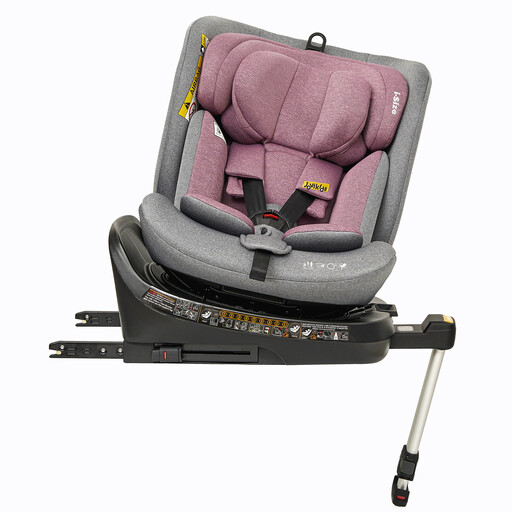
Why it's a great fit: This model is designed for families looking for a solution for the entire period of use. It covers the i-Size range from 40 cm (birth) to 150 cm (approx. 12 years) and combines modern safety standards with practical features like 360° rotation.
As an all-in-one car seat certified under the strict i-Size (ECE R129) standard, it uses adjustable headrests and removable inserts to ensure a proper fit throughout different growth stages, rather than being just a compromise.
A single purchase for 12 years. The combination of ISOFIX, a support leg, and the 360-degree rotation feature offers both safety and great everyday convenience.

Why it's a great fit: For parents who prioritise certified safety above all else. Cybex is an established brand, and this model not only meets the i-Size standard but also features an additional Linear Side-impact Protection (L.S.P.) System.
This model puts core safety first. The 360-degree rotation feature is an added convenience, not the main purpose. The focus is clearly on protecting the child, as evidenced by its i-Size approval and the L.S.P. System.
The integrated Linear Side-impact Protection (L.S.P. System) reduces the forces of a side collision, according to the manufacturer. The ventilation channels also ensure comfort on longer journeys.
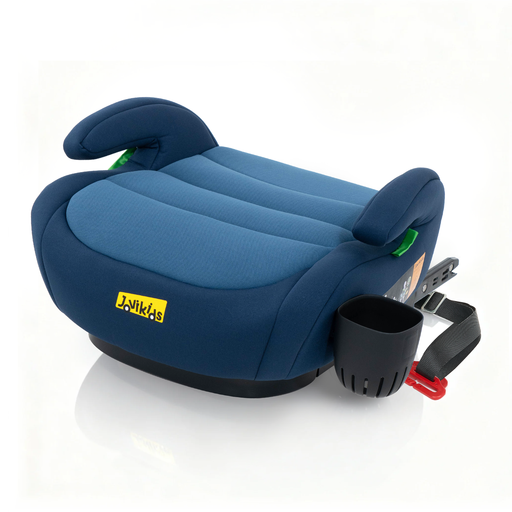
Why it's a great fit: Ideal for older children (125-150 cm) who have outgrown their toddler seat. This booster seat for children ensures that the vehicle's 3-point seat belt is correctly positioned across the child's shoulder and pelvis.
This product is specialised and doesn't try to cover all age groups. It serves one clear purpose: to safely position the vehicle's seat belt for older children. The ISOFIX connection also prevents the seat from sliding during turns or when unoccupied.
Compact, lightweight, and easy to transfer between vehicles. The rigid ISOFIX connection provides more stability than a loose booster cushion that just sits on the car seat.
From infant carriers and all-in-one seats to travel systems – discover our full range, designed for safety and practical everyday use.
According to the i-Size (ECE R129) standard, rear-facing travel is legally required until at least 15 months of age and a height of 76 cm. However, safety experts and organisations like the ADAC recommend keeping children in a rear-facing seat for as long as possible, ideally up to the age of four, as this is the safest way to travel.
Not necessarily. Although i-Size and ISOFIX are standardised, space issues can arise in some vehicle models, especially with very large car seats or when using a support leg. Always check the car seat manufacturer's vehicle compatibility list before purchasing. You can usually find this on the product page or the brand's website.
A classic Group 2/3 car seat (approx. 15-36 kg) has a backrest and headrest that provide crucial side-impact protection for the head and upper body. A simple booster seat for children (often called a booster cushion) only raises the child so the vehicle's seat belt fits better, but it offers no side-impact protection. For safety reasons, a seat with a backrest and headrest is recommended for the entire period of use until the child reaches 150 cm in height or 12 years of age.