
Lieferung heute & morgen

Qualitätsgarantie

Willkommens-Angebote freischalten: KOSTENLOSE Lieferung | Bis zu 80 % RABATT | Kostenlose 30-Tage-JoyPlus-Testphase
App herunterladen
An i-Size car seat with ISOFIX should be straightforward to install, fit your child properly, and remain reliably usable across several developmental stages. In practice, however, unclear size specifications, a lack of vehicle compatibility, or a misjudged swivel function often lead to the wrong purchase. What really matters is not just the brand name, but the combination of your child's height, the approval standard, the installation method, and genuine everyday usability.
A car seat for 40–150 cm covers a wide height range according to the product description. However, this doesn't mean that a single model will fit every child equally well at every stage. For babies, a suitable newborn insert, a proper reclined position, and rearward-facing travel are particularly important. For older children, what matters is a correctly aligned backrest, headrest, and the vehicle seat belt.
Always check the following:
A swivel car seat or 360-degree rotating seat makes getting in and out easier. However, the swivel function is only useful if the ISOFIX connectors, support leg, or Top Tether are correctly installed. The seat also needs enough space between the rear seat and the front seat. Before buying, you should check the vehicle approval list and the information in your car's manual.
UN R129, often referred to as i-Size, sets requirements for things like child height and side-impact protection. Nevertheless, models differ significantly in weight, recline adjustment, space requirements, and cleaning. A heavy seat with an integrated base, for example, is less suitable if it needs to be moved regularly between several vehicles.
Look for a clear specification such as UN R129/03 or UN R129/04, as well as the approved height range. An i-Size car seat from birth typically starts at 40 cm. For toddlers, rearward-facing travel is intended; for children under 15 months, rearward-facing use must be observed according to the product and approval requirements.
For older children, models for 100–150 cm are relevant. This category is often described as a car seat for 3–12 years. However, the actual age is only a guide. Your child's height and the correct belt routing are what really matter.
ISOFIX reduces typical installation errors, but it doesn't replace the need to check the seat before every journey. After clicking into place, the indicators should show the correct status according to the instructions. Depending on the model, a support leg or a Top Tether is also used.
Before ordering, you should check:
A car seat with side-impact protection may have protective elements built into the headrest, side wings, or seat shell. Names like L.S.P. or SPS are brand-specific systems and shouldn't be taken as a blanket safety guarantee. What remains important is that your child's head sits within the intended protection zones and that the belt lies close to the body.
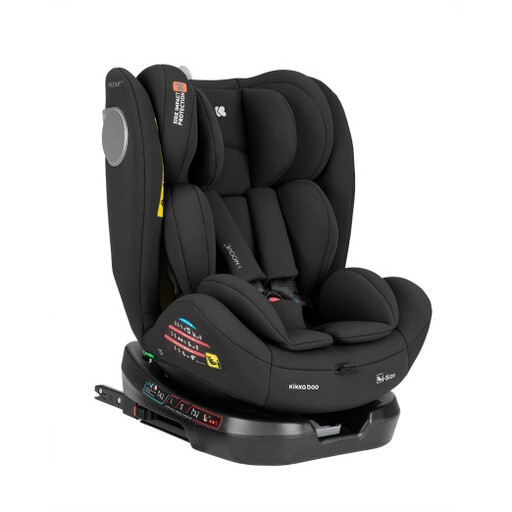
Why this product fits the profile: This grow-with-your-child car seat is designed for 40–150 cm according to the product information, covering several developmental stages.
The clearly stated height range prevents you from planning based only on a vague age recommendation. However, use must still be adapted to your child's height and the instructions.
360-degree swivel function, 24-position adjustable headrest, ISOFIX plus Top Tether, and removable covers that are washable at 30 °C.

Why this product fits the profile: According to the product data, this seat is designed for 40–105 cm and up to around four years, making it ideal for families focusing on the early usage phase.
The limited height range is transparent and avoids the expectation that one seat must fit until school age. An insert for 40–60 cm is specified for newborns.
UN R129/03, integrated ISOFIX base with support leg, 360-degree swivel, and 12 headrest positions.
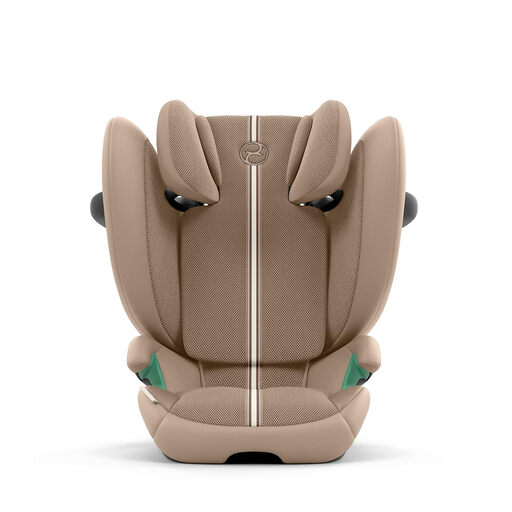
Why this product fits the profile: This model is designed for 100–150 cm and, according to the product description, is foldable. This makes it suitable for families who need to move the seat between vehicles or store it away to save space.
The clear classification as a seat for older children prevents unsuitable use from birth. The folding function reduces storage space requirements, but doesn't replace the need for secure installation.
UN R129/04, ISOFIX, adjustable headrest, flexible side wings, and a stated weight of approximately 5.8 kg.
We've put together a complete, regularly updated list of products that fully meet these strict selection criteria and the safety regulations in force in the EU.
No. Your vehicle must have compatible ISOFIX anchor points. Some seats also require a support leg, Top Tether, or the three-point seat belt. Check the manufacturer's vehicle list as well as your car's owner's manual.
The usage period depends on the manufacturer's instructions, your child's height, the seat's condition, and its accident history. A seat must not simply be reused after a relevant accident, as invisible damage is possible. Damaged belts, buckles, or ISOFIX connectors are also reasons to stop using it.
A rearward-facing seat can make getting in and out easier if it can be turned towards the car door. However, for babies, the insert, height range, recline, and rearward-facing installation position must all work together. Before every journey, check the belt routing, seat position, and the green installation indicators according to the instructions.