
Lieferung heute & morgen

Qualitätsgarantie

Willkommens-Angebote freischalten: KOSTENLOSE Lieferung | Bis zu 80 % RABATT | Kostenlose 30-Tage-JoyPlus-Testphase
App herunterladen
Choosing a car seat is one of the most important decisions for your child's safety in the car. However, with the vast array of standards, models, and features, the search can quickly become overwhelming. The i-Size car seat standard (UN R129) in particular has redefined safety requirements.
This article serves as a guide. It explains the crucial criteria for selecting an i-Size car seat and presents a selection of models for different needs to help make your purchasing decision easier.
To make an informed decision, it's helpful to have some basic knowledge of current standards and features.
The i-Size standard, also known as UN R129, is the current European safety standard for child car seats. Unlike the older ECE R44/04 standard, which is based on the child's weight, i-Size is based on height. This makes it easier for parents to choose the right seat. Key features of the i-Size standard include:
A convertible car seat grows with your child over several years, adapting to their development. Models that cover a wide height range, such as a 40-150 cm car seat, can be used from birth up to the age of 12. This is not only economical but also saves you the hassle of repeatedly buying and installing new seats. Look for easily adjustable headrests and harness systems that grow with your child.
Modern car seats offer features that make daily use significantly easier. A car seat with a 360-degree rotation function allows you to turn the seat towards the car door. This makes securing your child easier and is gentler on parents' backs. Adjustable recline positions also ensure comfort on longer journeys, even when your child is sleeping.
Based on the criteria mentioned, we have compiled a selection of models that meet the diverse needs of families.

Why this model stands out: The Sirona Gi i-Size is a car seat suitable from birth up to approximately four years of age (40–105 cm). Its 360° rotation function makes getting in and out much easier. The Plus version features a mesh fabric that, according to the manufacturer, increases breathability by up to six times, ensuring a comfortable temperature. The model received high marks in the 05/2024 product test by Stiftung Warentest / ADAC.
Advantages:
Who it's for: Parents looking for a comfortable, easy-to-use solution from birth who value good ventilation and a practical rotation feature.
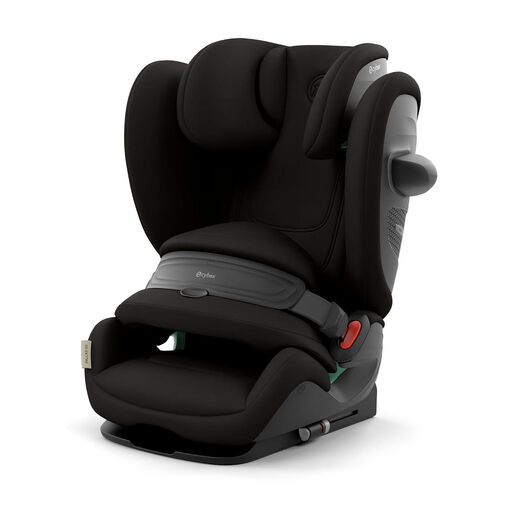
Why this model stands out: The Pallas G3 is a 2-in-1 seat that accompanies your child from toddlerhood (from 15 months) until they no longer legally require a car seat at age 12. Instead of a 5-point harness, it uses an impact shield in the initial phase (up to 100 cm / 21 kg). According to Cybex, this distributes the impact forces over a large area in a frontal collision, reducing the risk of neck injuries.
Advantages:
Who it's for: Families looking for a long-term, forward-facing solution who prefer the handling of an impact shield.
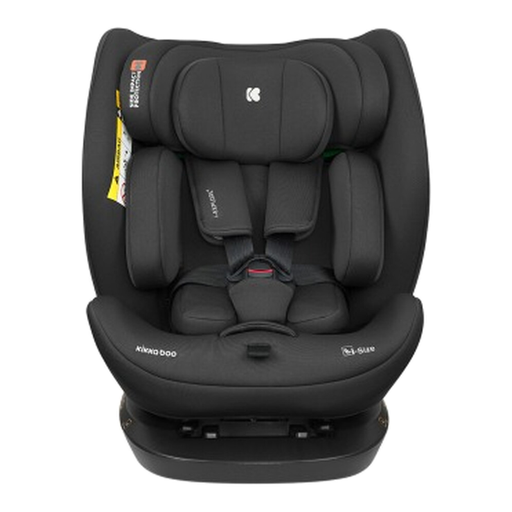
Why this model stands out: The Kikka boo i-Explore 2 is a true all-rounder. As a convertible car seat, it covers the entire period of use from birth to age 12 (40–150 cm). It can be used in both rear-facing (40–105 cm) and forward-facing (76–150 cm) positions, offering maximum flexibility. It has been certified according to UN R129/04 by T?V NORD.
Advantages:
Who it's for: Budget-conscious parents looking for a single, flexible seating solution for the entire period of use, from birth to school age.
The models presented here are just a sample of the available options. If you want to compare more seats or look for other configurations, you can find a wider selection of car seats for every age and need in our comprehensive Car Seats category.
1. What is the main difference between the i-Size standard and the old ECE R44/04? The key difference is the classification: i-Size (UN R129) categorises seats by the child's height, whereas the older ECE R44/04 standard is based on weight. Additionally, i-Size mandates a passed side-impact test and requires rear-facing travel up to a minimum age of 15 months.
2. How long should my child travel in a rear-facing car seat? The rear-facing position is legally required up to an age of 15 months and a height of 76 cm. However, safety organisations like the ADAC recommend keeping children in a rear-facing seat for as long as possible, ideally up to the age of four. This position provides significantly better protection for the delicate neck muscles in a frontal collision.
3. Is a car seat with an impact shield safer than one with a 5-point harness? Both systems are approved under current safety standards and offer a high level of protection when used correctly. An impact shield distributes the forces of a frontal collision over a larger area of the upper body, which can reduce the strain on the neck. A 5-point harness secures the child's body firmly within the protective seat shell. The choice between the systems often depends on the fit for the child, the seat model, and personal preference.