
Lieferung heute & morgen

Qualitätsgarantie

Willkommens-Angebote freischalten: KOSTENLOSE Lieferung | Bis zu 80 % RABATT | Kostenlose 30-Tage-JoyPlus-Testphase
App herunterladen
An i-Size car seat needs to fit your child, your vehicle and your daily life. At first glance, the choice seems straightforward: ISOFIX, 360-degree rotation, growing with your child and side-impact protection are all key features in many options. However, behind similar marketing claims, there can be significant differences in height ranges, installation and how long the seat can be used.
The most common buying mistakes are:
Approval under UN ECE R129, also known as ECE R129 car seat or i-Size, is based on your child’s height. So always check the centimetre measurement first, and only then look at the approximate age.
Typical ranges:
Under R129, children under 15 months and under 76 cm must be transported rear-facing. However, the information on the seat itself and in the instruction manual is always what matters.
An ISOFIX car seat is attached using the standardised anchor points in your vehicle. Green and red indicators can help you check the installation. Many seats for young children also use a support leg or Top Tether.
Before you buy, you should:
With an infant carrier like the Hauck Infant Car Seat Set Drive-Black, the product information states that it can be secured with either ISOFIX or the three-point seatbelt. This alternative can be useful if you need to switch between several vehicles.
An adjustable headrest should be adjusted together with the harness system. It is important that the shoulder straps sit close to the body and are not worn over thick winter clothing. A removable cover that can be washed at 30 °C makes regular cleaning much easier.
Also look out for:
Claims about percentage protection levels should be seen as manufacturer-specific information. According to manufacturers, certain protection systems may show differences under defined comparison conditions; this does not mean you can expect a general guarantee of protection.

Why this product fits the profile: This infant carrier is designed for 40–87 cm and up to 13 kg, making it ideal for families who want a compact solution from birth.
The clearly defined height range prevents the infant carrier from being used for too long. ISOFIX or the three-point seatbelt offer two described installation methods.
UN ECE R129-03, height-adjustable headrest and harness, newborn insert and a weight of 4.4 kg.

Why this product fits the profile: For families who drive frequently and want a rear-facing solution from 40–105 cm with easy-to-use features.
Use is clearly limited to 40–105 cm. An integrated ISOFIX base with support leg and colour indicators help you check the installation.
360-degree rotation mechanism, twelve headrest positions, newborn insert and five recline positions according to the product description.
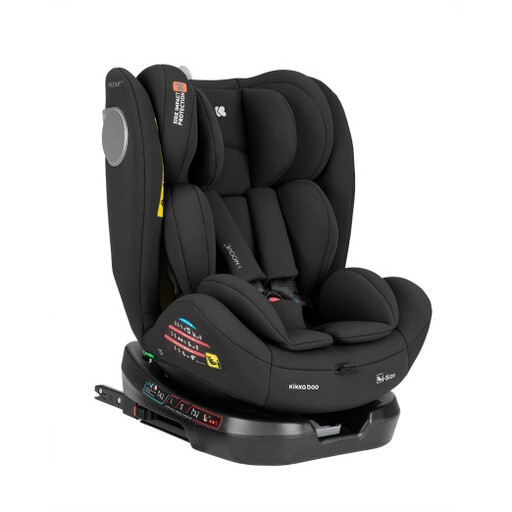
Why this product fits the profile: This seat is aimed at families who want a long-term solution for several growth stages and frequent journeys.
The separate ranges of 40–105 cm rear-facing and 76–150 cm forward-facing make the usage limits easy to understand.
360-degree rotation, 24 headrest positions, ISOFIX plus Top Tether and a washable cover.
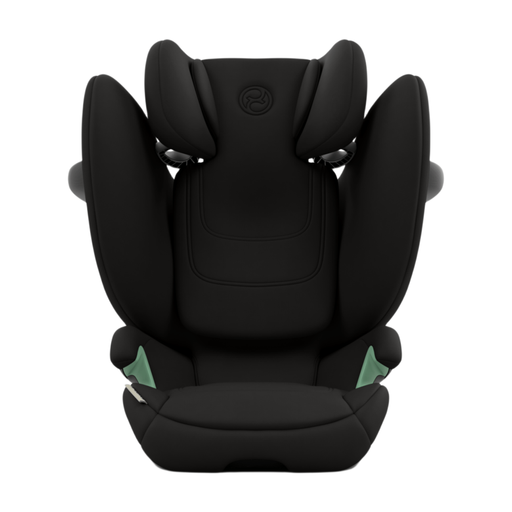
Why this product fits the profile: Suitable for children from 100–150 cm and for families who move the seat between cars, train journeys and storage places.
Use from 100 cm prevents it being used too early. ISOFIX secures the seat; the three-point seatbelt is also correctly routed through the belt guides.
Foldable design, 5.8 kg weight, twelve headrest positions and side protection components according to the product information.
We have put together a full, regularly updated list of products that fully meet these strict selection criteria and the safety regulations in force in the EU.
Follow the instructions from the manufacturer and your vehicle manufacturer. The ISOFIX arms must click fully into place; with models that have a support leg, it must be firmly on the vehicle floor. The Top Tether or vehicle seatbelt is used according to the seat’s design. Check the indicators before every journey.
The length of use depends on your child’s height, weight and the manufacturer’s approval. A seat for 15 months to 12 years might, for example, be designed for 76–150 cm. A car seat from birth with a 40–87 cm range must be replaced as soon as the specified limit is reached. After an accident, the seat should be replaced according to the manufacturer’s instructions, even if there is no visible damage.
No. Before buying, you need to check the vehicle model, seating position, ISOFIX points, the area for the support leg and any restrictions caused by the rear seats. A rotating 360-degree car seat also needs enough space to turn. The manufacturer’s compatibility list and your vehicle manual are the key sources for this.