
Lieferung heute & morgen

Qualitätsgarantie

Willkommens-Angebote freischalten: KOSTENLOSE Lieferung | Bis zu 80 % RABATT | Kostenlose 30-Tage-JoyPlus-Testphase
App herunterladen
Choosing a child car seat is one of the most important decisions for your child's safety. However, the market is full of marketing promises and technical terms that confuse more than they help. As your Joybuy Product Recommendation Officer, I'll help you separate fact from fiction and make an informed decision based on safety and practicality.
Many parents invest in an expensive car seat, only to find out a few months later that it's impractical or doesn't offer the expected level of safety. Here are two common pitfalls you should be aware of:
To avoid falling into these traps, focus on objective criteria. These two parameters are non-negotiable for selecting a safe and durable seat.
The most current and stringent European safety standard for child car seats is UN R129, better known as i-Size. It is gradually replacing the older ECE R44/04 standard. The key advantages of i-Size are:
Therefore, when making your choice, specifically look for the ECE R129 certification.
ISOFIX is a standardised system that creates a rigid connection between the child seat and the vehicle's chassis. It minimises the risk of incorrect installation, which is more common when securing the seat with only the vehicle's seatbelt.
i-Size seats almost always use ISOFIX. They are stabilised by two additional systems:
Before purchasing, always check the seat manufacturer's compatibility list to ensure the seat is approved for your vehicle model.
Instead of making a blanket recommendation, we have identified models that meet the specific needs of families and cleverly avoid the pitfalls mentioned.
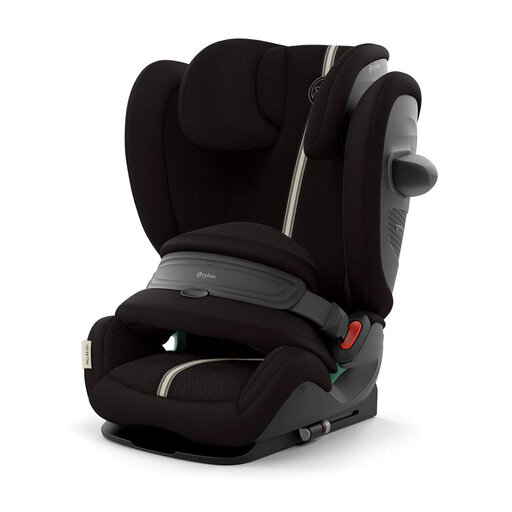
Why it's a match: Ideal for parents looking for a long-term investment. This 2-in-1 seat accompanies the child from the toddler years (approx. 15 months) to the end of the car seat requirement at age 12.
It bypasses the "one-seat-fits-all" compromise by not being designed for newborns. Instead, it focuses on the post-infant-carrier stage with an impact shield and later converts into a full-fledged booster seat with a backrest.
Extended usability (approx. 15 months to 12 years). The impact shield technology distributes frontal impact forces over a large area, which, according to manufacturer Cybex, reduces the risk of neck injuries.
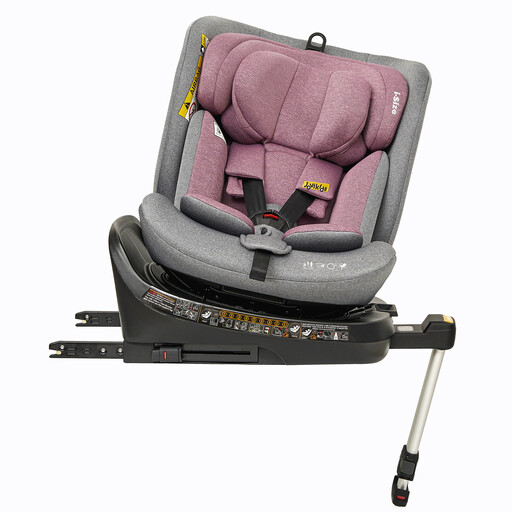
Why it's a match: Designed for parents who want maximum everyday usability from birth. The 360° rotation is a significant relief when getting in and out, and it's easier on your back.
This model directly addresses the complexity pitfall. The 360° rotation combined with a support leg (instead of a Top Tether) simplifies handling, as the seat can be turned without having to loosen a strap.
The 360-degree rotating feature makes daily life immensely easier. Its suitability as a car seat from birth (40 cm) up to 150 cm makes it a very long-lasting solution that covers all stages.
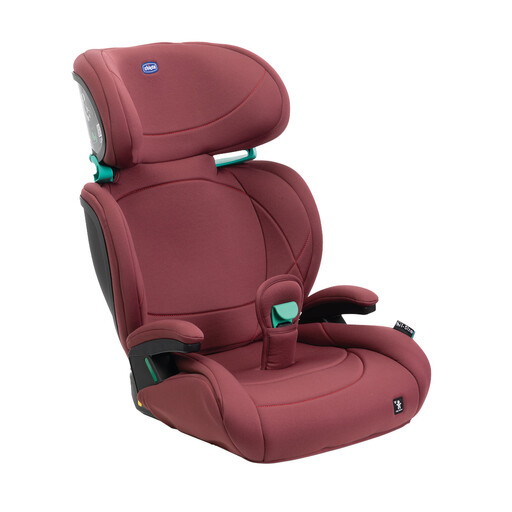
Why it's a match: A specialised solution for children from approx. 3 to 12 years (100-150 cm). Lightweight, straightforward, and ideal if the seat needs to be moved frequently between different vehicles.
This model is the antithesis of the "one-seat-fits-all" trap. It is specifically designed for the 15-36 kg car seat group (or 100-150 cm according to i-Size), thus offering an optimal fit and adapted safety features like the belt guide.
It meets the i-Size standard for older children and is very lightweight at only 4.5 kg. Installation is simple using the vehicle's 3-point belt, which facilitates quick transfers between cars (e.g., for use in grandparents' car).
We have compiled a complete, up-to-date list of products that fully meet these strict selection criteria and EU safety regulations.
According to the ECE R129 (i-Size) standard, rear-facing travel is legally required until at least 15 months of age and a height of 76 cm. However, safety organisations like the ADAC recommend keeping children rear-facing for as long as possible, ideally up to the age of four. This offers significantly greater protection for the head and neck in a frontal collision.
Not necessarily. Although i-Size aims for universal compatibility, checking your vehicle's manual is essential. i-Size seats require ISOFIX anchorage points. Most modern cars are equipped with them, but older models may not be. Always check the child seat manufacturer's vehicle compatibility list before purchasing to ensure a secure fit.
A 5-point harness secures the child at the shoulders, hips, and between the legs. An impact shield is a cushioned barrier placed in front of the child's torso and secured with the vehicle's seatbelt. In a frontal collision, the impact shield distributes forces over a larger area of the upper body. According to manufacturers like Cybex, this can reduce stress on the neck. The choice between the systems often depends on the specific seat model and the child's comfort.