
Lieferung heute & morgen

Qualitätsgarantie

Willkommens-Angebote freischalten: KOSTENLOSE Lieferung | Bis zu 80 % RABATT | Kostenlose 30-Tage-JoyPlus-Testphase
App herunterladen
An i-Size car seat needs to be right for more than just your child’s age. Their height, your vehicle’s compatibility, the type of fitting and how long the seat will be practical for everyday use all matter. Many options look similar at first glance, but can differ significantly in how long they can be used rear-facing, how they fit and how adjustable they are.
Descriptions such as car seat 40–150 cm or car seat up to 12 years sound like they offer a solution for your child’s entire childhood. In practice, however, the restraint system, seat direction and padding change as your child grows. A seat for 40 to 150 cm, for example, may need a separate insert for newborns. Check the height from which the seat can be used without an additional insert, and when you’re expected to switch from the integrated harness to the vehicle’s seat belt.
An ISOFIX car seat can usually be anchored more clearly in the vehicle than a model fitted using only the three-point seat belt. However, systems vary: some seats also need Top Tether, while others require a support leg or a separate base. Before buying, check your vehicle’s manual and the manufacturer’s compatibility list. The seat’s depth and the space in front of it can also matter when it’s used rear-facing.
A 360° car seat makes it easier to get your child in and buckle them up. But the rotating function alone tells you nothing about the height range, seat direction or whether it will fit in your car. Check whether it can rotate in every intended position, and whether there’s enough room for the seat when it’s rear-facing.
A child car seat approved under ECE R129 is approved under a European regulation that places particular importance on a child’s height. Depending on the model, there are also requirements for side-impact protection and rear-facing use. The i-Size label doesn’t mean that every R129 seat belongs to a particular height category. So check the specific approval and the height range shown on the product.
A rear-facing car seat is fitted facing away from the direction of travel. When choosing one, check the maximum height for which rear-facing use is approved. When travelling forward-facing, adjust the seat belt or impact shield as instructed.
A car seat with side-impact protection may have specially designed protective areas on the shell, headrest or side wings. Percentage-based protection claims often come from tests carried out by the brand itself. According to CYBEX product information, for example, the Pallas G3 features the L.S.P. System Plus and an adjustable head area. Manufacturer figures like these shouldn’t be treated as directly comparable with independent test results.
Other practical features to look for include:
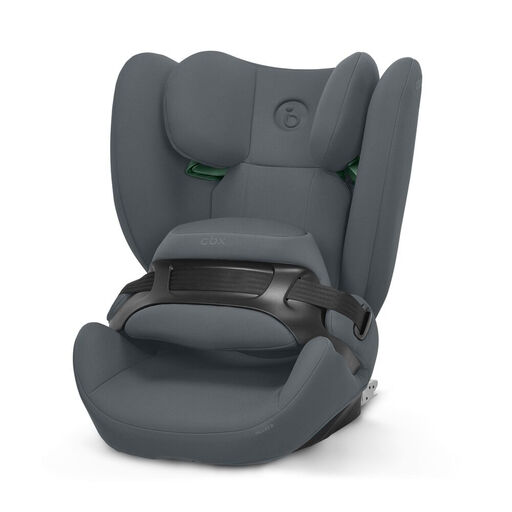
Why this product suits this profile: According to CYBEX product information, this 2-in-1 model is designed for children measuring 76 to 150 cm, so it can be used through several stages of growth.
The clearly stated height range makes it easier to understand when the seat can and can’t be used than an age recommendation alone. According to the instructions, the impact shield is used for children under 105 cm or 21 kg.
76–150 cm, ISOFIX and Top Tether; adjustable headrest and machine-washable cover according to the product description.
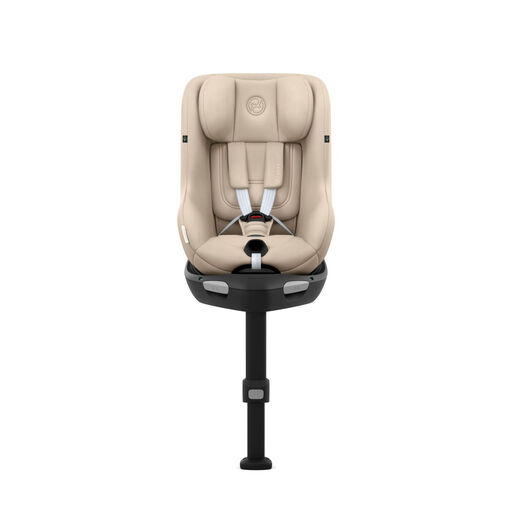
Why this product suits this profile: This option is for families who prefer rear-facing travel and a modular system for the first few years of their child’s life.
The required Base G is clearly specified. This means you can check before buying whether the extra cost and compatibility with your vehicle fit your budget and needs.
360° rotation, an ISOFIX base with support leg and several recline positions; according to product information, suitable from around 3 months to 4 years.
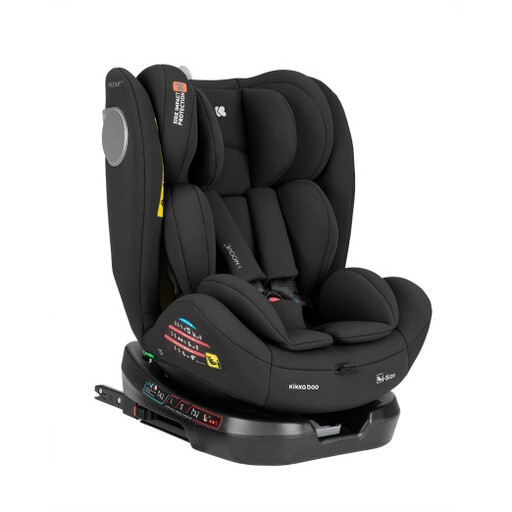
Why this product suits this profile: According to the manufacturer, the seat covers 40 to 150 cm and can be used rear-facing up to 105 cm. It also rotates 360°.
The information clearly distinguishes between rear-facing and forward-facing use, rather than focusing only on the maximum height.
ISOFIX and Top Tether, a 24-position adjustable headrest, integrated SPS and a removable cover, according to the product description.
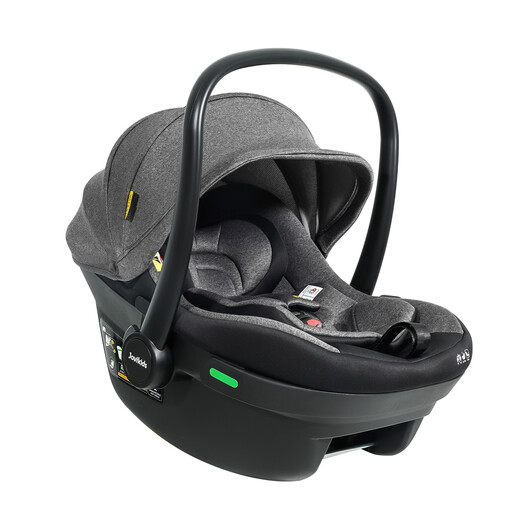
Why this product suits this profile: A rear-facing infant carrier for 40 to 87 cm, ideal if you need a compact, lightweight option for your baby’s first few months.
The clearly defined height range helps avoid the mistaken expectation that an infant carrier can be used until your child starts school.
40–87 cm, three-point seat belt, nine headrest positions and a weight of 4 kg according to product information.
We’ve put together a complete, regularly updated list of products that meet these strict selection criteria and the safety regulations in force in the EU.
First, check whether your vehicle is suitable for ISOFIX, Top Tether or a support leg. Then check the connection indicators. For a seat secured with the vehicle’s seat belt, the three-point belt must pass exactly through the marked guides. Always follow the car seat and vehicle manuals rather than relying on general advice.
That depends on the approved height range and the condition of the seat. A model for 40 to 150 cm can cover several stages, while an infant carrier for 40 to 87 cm will need replacing sooner. After an accident, if there’s visible damage or if any parts are missing, the seat must not be used again.
That depends on your everyday needs. The rotating function can make it easier to buckle your child in and lift them out. However, check whether it requires a separate base, a support leg or additional fitting steps. Approval, the right fit for your child’s height, correct installation and how the seat will actually be used in your vehicle remain the most important factors.