
Lieferung heute & morgen

Qualitätsgarantie

Willkommens-Angebote freischalten: KOSTENLOSE Lieferung | Bis zu 80 % RABATT | Kostenlose 30-Tage-JoyPlus-Testphase
App herunterladen
An i-Size child car seat needs to suit your child, your car and your family’s day-to-day life. In practice, poor purchases are often caused not by a lack of features, but by unsuitable size ranges, complicated installation or exaggerated claims in product advertising. That’s why it’s important to look for clear information on height range, installation method, approval standard and care requirements.
A child car seat covering 40–150 cm may seem especially versatile at first glance. However, newborns need a suitable insert, an appropriate recline position and a correctly adjustable headrest. When choosing a growing child car seat, check which components are actually used at each stage of your child’s growth.
Seats also vary considerably in size. A large seat may take up too much room in a small car or make it harder to access neighbouring seats.
An ISOFIX child car seat can usually be attached clearly to the vehicle’s anchorage points. But that doesn’t mean every model can be used on every seat. Depending on the product, you may also need a Top Tether, support leg or three-point seat belt.
Before buying, compare your vehicle handbook with the seat manufacturer’s compatibility information. If the model has a support leg, it must rest firmly on the vehicle floor. Always take care around an active front airbag when using a rear-facing seat.
A 360-degree rotating child car seat can make getting your child in and out easier. However, the swivel function alone doesn’t tell you whether the seat can be used rear-facing or forward-facing at every height. Always follow the instructions.
A rear-facing car seat positions your child facing away from the direction of travel. Rear-facing use is particularly important for babies and smaller children. Follow the specific seat’s product information and current requirements to ensure your child remains rear-facing until the required age or height.
The i-Size classification by height is more precise in everyday use than an age guide alone. Common ranges include:
Age is only a guide. What matters is whether the headrest, belt guides and seat width suit your child’s current height.
ECE R129, also known as i-Size, is a European approval standard for child restraint systems. The label provides information such as the approved height range and takes side-impact requirements into account. You should be able to check the specific approval on the product itself, its type label or the manufacturer’s documentation.
Certification doesn’t replace correct installation. Before every journey, check the ISOFIX indicators, support leg, Top Tether and belt routing.
A seat is only practical for everyday use if it can be fitted and adjusted reliably. Look for:
Your child shouldn’t wear a thick winter coat under the seat belt, as this can affect how the belt fits. After an accident, replace the child car seat in line with the manufacturer’s instructions, even if there’s no visible damage.
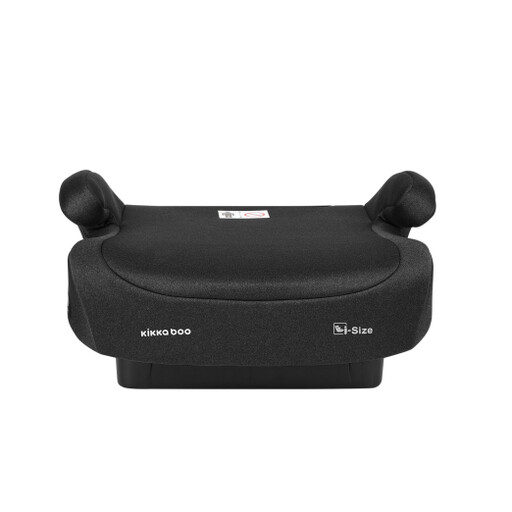
Why this product suits these needs: This compact seat is designed for children measuring 125–150 cm and can be used with the vehicle’s three-point seat belt. At 1.28 kg, it’s suitable for occasional moves between cars.
Its clearly defined height range helps prevent the seat from being used too early or for too long. The product information also specifically explains how to install it correctly with a three-point seat belt.
125–150 cm, removable and washable cover, padded armrests and optional ISOFIX stabilisation.

Why this product suits these needs: According to the product information, the Chicco seat covers 40–125 cm. It combines ISOFIX, a support leg and a 360° swivel function, and can be used rear-facing up to 105 cm.
The height range and installation method are clearly specified. Rear-facing use is linked to a specific height, rather than presented as a vague advertising claim.
ECE R129/03, 360° swivel function, integrated side-impact protection, several recline positions and a washable cover.
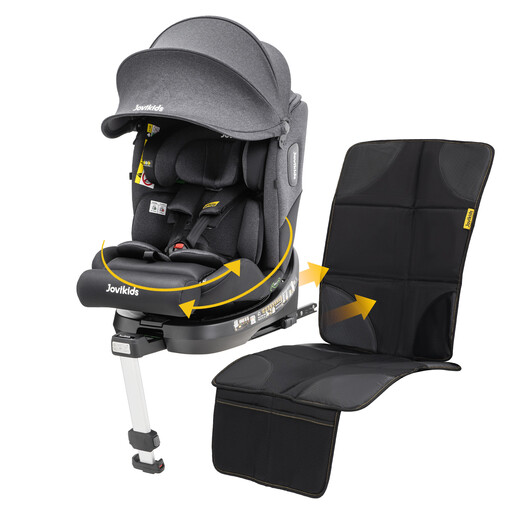
Why this product suits these needs: According to the manufacturer, this seat is designed for children measuring 40–150 cm. It features ISOFIX, a support leg, 360° rotation, several recline positions and a headrest with 12 adjustment positions.
The product information specifies the height stages, insert and adjustable headrest. This makes it easier to check before buying whether the features suit your plans for long-term use.
ECE R129, 40–150 cm, ISOFIX with support leg, removable cover and sun canopy.
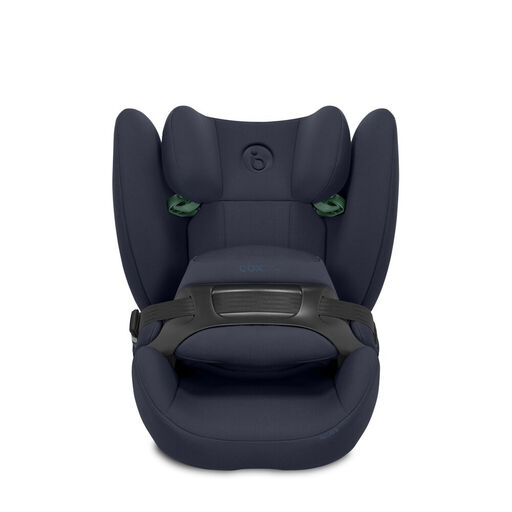
Why this product suits these needs: This 2-in-1 seat is designed for children measuring 76–150 cm. It can be adjusted as your child grows and installed using ISOFIX and Top Tether.
The product description clearly explains when to remove the impact shield and use the three-point seat belt. This means the changeover is tied to a specific height or weight.
UN R129/04, headrest with 12 positions, adjustable backrest and removable impact shield, according to the manufacturer.
We’ve put together a complete, regularly updated list of products that meet these strict selection criteria and the safety regulations in force in the EU.
That depends on its approved height range. A seat covering 40–105 cm typically takes your child through to the toddler stage, while models covering 76–150 cm or 40–150 cm span several stages of growth. Replace the seat if it’s damaged, missing parts or has been involved in an accident.
No. Some models can also be secured using the three-point seat belt, while others require ISOFIX as well as a support leg or Top Tether. The specified installation method must match both your vehicle handbook and the child car seat’s instructions.
An i-Size booster seat is only suitable once your child reaches the specified height range, which is often 125–150 cm. Until then, use a suitable seat with a backrest and correctly positioned seat belt. The three-point belt should sit across the shoulder and pelvis, not against the neck or stomach.