
Lieferung heute & morgen

Qualitätsgarantie

Willkommens-Angebote freischalten: KOSTENLOSE Lieferung | Bis zu 80 % RABATT | Kostenlose 30-Tage-JoyPlus-Testphase
App herunterladen
An i-Size child car seat needs to be right for more than just your child’s age. Their height, how the seat is fitted, which way it faces, whether it’s compatible with your car and how easy it is to use every day all matter. Product descriptions often highlight individual features, though, while important limitations can be easy to miss. If you focus only on a 360° swivel or a particularly long usable life, you could end up with a seat that doesn’t suit your car or your child’s height.
In theory, a 40-150 cm child car seat can cover several stages of a child’s development. In practice, inserts, harness systems and fitting options need to be adjusted as your child grows. A seat for 40 to 150 cm isn’t automatically ergonomically suitable for every newborn. Check whether it includes a newborn insert and which height range the insert is approved for.
An ISOFIX child car seat is usually quick and secure to fit. However, the ISOFIX anchor points, support leg, Top Tether and seat shape all need to be compatible with your car. If the seat has a support leg, make sure it rests securely on the vehicle floor. Before buying, check your car’s handbook and the manufacturer’s compatibility list.
A 360° child car seat makes it easier to get your child in and out. However, the swivel function alone tells you nothing about the seat’s suitability, which way it should face or how well it protects your child in a collision. Also check for approval under UN R129, the height range and correct use of the harness system.
The i-Size classification is based primarily on a child’s height. Common ranges include:
A child car seat from birth must be approved for a height of 40 cm. A rear-facing child car seat transports your child facing away from the direction of travel. For children under 15 months, it’s particularly important to follow the rear-facing requirements set out in the seat’s UN R129 approval. Always follow the instruction manual and the specific approval for your seat.
With an ISOFIX seat, check that the indicators show it is correctly locked into place after fitting. Depending on the model, it may also use a support leg or Top Tether. A seat fitted with the vehicle seat belt needs clearly marked belt guides and a tight, untwisted belt.
Many models for children between 100 and 150 cm face forwards and are used with the vehicle’s three-point seat belt. For example, according to the product information, the CYBEX Pallas B i-Size uses its impact shield up to 105 cm or a specified weight; after that, the child is secured with the vehicle seat belt. Don’t make these transitions based on guesswork: follow the manufacturer’s instructions.
A child car seat with side-impact protection may have reinforced sides, energy absorbers or separate protective systems. Terms such as L.S.P. or SPS are brand-specific names and shouldn’t be judged in isolation. What matters more is whether the protection is part of the approved seat design and whether it needs to be fitted correctly.
An adjustable headrest, well-positioned belt guides and several recline positions help the seat adapt as your child grows. Removable covers that can be washed at 30 °C can make everyday care easier.
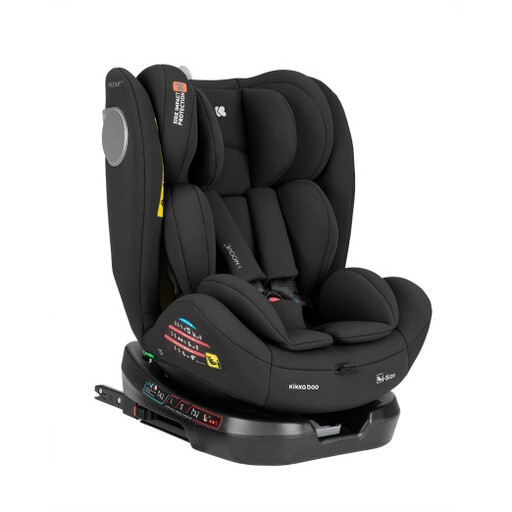
Why it suits this profile: According to the product information, the seat covers 40 to 150 cm and combines 360° rotation, ISOFIX and Top Tether in one model for several stages of growth.
The clearly stated height range helps make sure the long usable life isn’t mistaken for a general marketing claim. You’ll still need to follow the specified height ranges for each changeover.
UN R129/04, 24 headrest positions, rear-facing use from 40 to 105 cm and washable covers, according to the product description.

Why it suits this profile: Designed for 40 to 105 cm, this seat combines an integrated ISOFIX base with 360° rotation and a newborn insert.
According to the product information, the insert is intended for 40 to 60 cm. This makes it easier to understand how the seat can be used from birth than broad age-based claims do.
UN R129/03, integrated side-impact protection, 12 headrest positions and machine-washable covers, according to the product description.
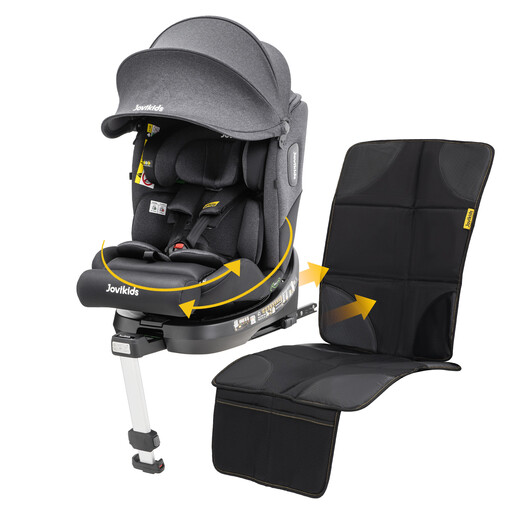
Why it suits this profile: The combination of 40-150 cm, 360° rotation, ISOFIX and an adjustable support leg is designed for families who regularly get their child in and out of the car.
The product information states both the height range and the rear- and forward-facing options. This makes it easier to check whether the seat is right for each stage of your child’s growth.
12-position adjustable headrest, removable sun canopy and washable cover, according to the product description.
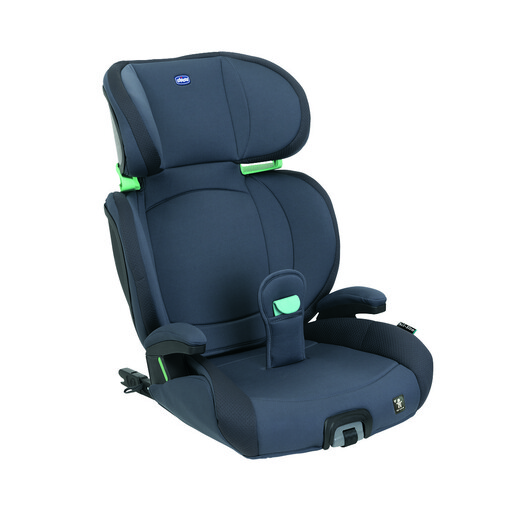
Why it suits this profile: This forward-facing child car seat is designed for 100 to 150 cm, making it a good option for families looking for a compact seat for the later stages.
The clearly defined range of 100 to 150 cm helps prevent the seat being used too early. According to the product information, ISOFIX provides extra stability; your child is still secured with the vehicle’s three-point seat belt.
ECE R129/03, height-adjustable headrest, two recline positions and Fit-Kit size indicators, according to the product description.
We’ve put together a complete, regularly updated list of products that meet these strict selection criteria and fully comply with the safety regulations in force in the EU.
No. UN R129 approval sets out safety and height requirements, but it doesn’t replace checking compatibility with your car. Make sure the seat is approved for use in your chosen position with ISOFIX, Top Tether or a support leg.
That depends on the approved height range and the condition of the seat. A model covering 40-105 cm will typically be outgrown sooner than a child car seat up to 12 years covering 40-150 or 76-150 cm. After a collision, replace the seat regardless of whether it looks damaged.
For children under 15 months, UN R129 requires rear-facing use or an equivalent approved position. For babies from birth, you should also check the minimum height, newborn insert and harness routing for the specific model.