
Lieferung heute & morgen

Qualitätsgarantie

Willkommens-Angebote freischalten: KOSTENLOSE Lieferung | Bis zu 80 % RABATT | Kostenlose 30-Tage-JoyPlus-Testphase
App herunterladen
An i-Size child car seat should combine safety, practicality and suitability across several stages of your child’s development. In practice, however, not every modern feature automatically makes a seat the right choice. The key factors are your child’s height, compatibility with your vehicle and correct installation.
A child car seat that grows with your child can cover several size ranges, but it must be adjusted or secured differently at each stage. For a model covering 76–150 cm, for example, an integrated protection system may be required initially. This is removed later, and your child is secured using the vehicle’s three-point seat belt.
So don’t just look for an age indication such as “child car seat from 15 months to 12 years”. Before buying, check:
Age is only a guide. For a child car seat approved under UN R129, height is the more important reference point.
A child car seat with ISOFIX can often be installed more easily. However, your vehicle must have ISOFIX anchor points, and the particular seating position must be approved for the model. Some seats also require a Top Tether or support leg.
Before ordering, you should therefore check your vehicle handbook and the manufacturer’s compatibility list. A green indicator on the seat does not automatically confirm that the seating position in your vehicle is suitable.
A 360-degree child car seat can make placing your child in the seat and lifting them out easier. However, rotation does not replace the required direction of travel or correct installation. With a child car seat recline function, parents should check whether the desired position is approved while travelling and whether the seat continues to sit correctly in that position.
Side-impact protection is not an independent measure of quality either. The relevant factors are the specific UN R129 approval, the construction and correct use in accordance with the instruction manual.
A UN R129 child car seat is classified according to height. The standard includes requirements for side-impact protection, among other things, and requires younger children to travel rear-facing. Different size ranges apply depending on the model.
Check the product label for:
“i-Size” does not mean that every seat fits every vehicle. The information provided by the vehicle and car seat manufacturers remains decisive.
ISOFIX connects the seat directly to the designated anchor points in the vehicle. Certain models also require an additional upper tether strap. In the later booster-seat stage, the vehicle’s three-point seat belt may provide the main restraint.
When installing the seat, you should:
A child car seat with side-impact protection must not be modified with third-party padding, seat liners or accessories that have not been approved.
A seat covering 76–150 cm is suitable for children from around 15 months through to school age, provided that your child’s individual height and the manufacturer’s approval correspond. Such a seat is not automatically suitable for newborns. Families with babies often need a model from 40 cm or a separate restraint system for the early stages.
For frequent changes between vehicles, weight, carry handles and straightforward installation are important. A compact seat can also be an advantage when several people or another child car seat need to fit on the back seat.
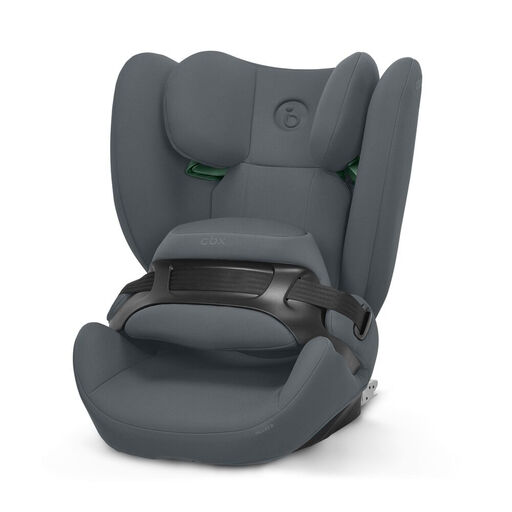
Why this product suits the profile: According to the product details, this 2-in-1 child car seat covers 76–150 cm, making it an appealing choice for families looking for a seat they can use for several years.
The changeover in size is clearly explained: the impact shield is removed from 105 cm or 21 kg, and the vehicle seat belt is used.
UN R129/04, ISOFIX, Top Tether, 12-position adjustable headrest and washable cover.
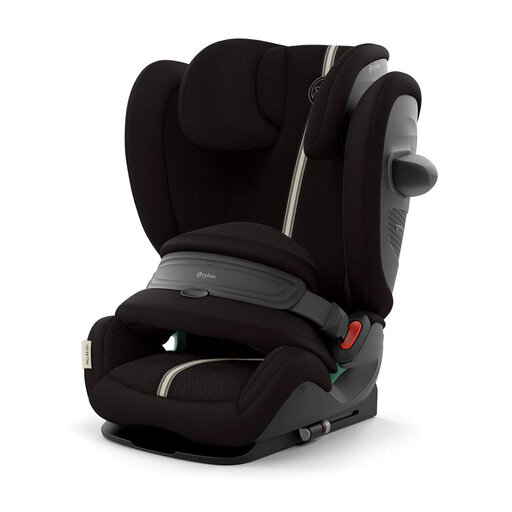
Why this product suits the profile: Ideal for parents who want to combine adjustable comfort features, ventilation and long-term use in a single model.
The seat specifies clear transitions between the protection system and the three-point seat belt. This means it is not limited to just one stage of your child’s development.
UN R129/04, adjustable headrest, recline function, side-impact protection and removable impact shield.
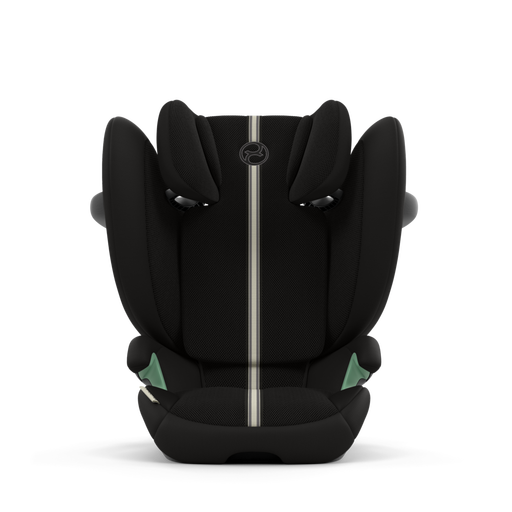
Why this product suits the profile: For larger children from 100–150 cm and families who want to transport the seat between several cars, in a taxi or on a train.
The seat is expressly approved for 100–150 cm and is used with ISOFIX and the vehicle’s three-point seat belt.
Foldable design, carry handle, weight of 5,8 kg, adjustable headrest and L.S.P. system.

Why this product suits the profile: This rear- and forward-facing seat is designed for children from 61–105 cm; according to the product details, the range starts at 40 cm when used with the optional baby insert.
The swivel function makes buckling your child in easier, but does not replace the approved direction of travel or installation with ISOFIX and a support leg.
360-degree rotation, five recline positions, 12-position adjustable headrest and integrated side-impact protection.
We have put together a complete, regularly updated list of products that fully meet these strict selection criteria and the safety regulations applicable in the EU.
This depends on the approved height range. Models from 40 cm may be suitable for babies, while a child car seat from 76 cm is generally suitable from around 15 months. The information on the seat and in the instruction manual is decisive. Children under 15 months must travel rear-facing in relevant R129 models.
According to the manufacturer’s information, a child car seat that grows with your child and covers 76–150 cm can be used until approximately their twelfth birthday. The actual period of use ends sooner if the seat is damaged, no longer fits your child or its components show signs of wear. After an accident, the seat should be replaced regardless of any visible damage.
Not for every model. Some seats require ISOFIX and Top Tether, while others allow the vehicle’s three-point seat belt during certain stages of use. The specific approval is decisive. Always check the vehicle handbook, seat instructions and indicator elements before the first journey.