
Lieferung heute & morgen

Qualitätsgarantie

Willkommens-Angebote freischalten: KOSTENLOSE Lieferung | Bis zu 80 % RABATT | Kostenlose 30-Tage-JoyPlus-Testphase
App herunterladen
An i-Size child car seat should be suitable not only for your child’s age. Their height, vehicle compatibility, installation method and how long the car seat can genuinely be used are all crucial factors. Many products advertise 360° rotation, side-impact protection or use up to the age of 12. However, these features are only useful when they suit both your vehicle and your child’s stage of development.
With the i-Size standard, height is the key reference point. An age recommendation such as “from birth” or “up to 12 years” does not replace checking the approved height and weight range. For example, a seat for 40 to 105 cm is not suitable for taller children, even if they are not yet four years old.
A 360° rotating child car seat makes getting your child in and out easier. However, models vary in terms of installation, support leg, recline positions and direction of travel. Before buying, check whether the seat can be used both rear-facing and forward-facing, and which height range applies in each position.
An ISOFIX child car seat can generally be secured more clearly than a model installed solely with the vehicle seat belt. However, ISOFIX alone does not guarantee a suitable installation in every vehicle. The support leg, Top Tether, seat shape and the manufacturer’s approved vehicle list must all match your car. Even a correctly clicked-in seat must be checked before every journey using the indicators and instructions.
The current UN R129/04 approval standard takes the child’s height and side-impact protection requirements into account, among other factors. Some models in the range are approved under UN R129/03. The product label and the manufacturer’s currently valid instructions are decisive. The standard does not replace an individual check of the installation.
For children under 15 months, R129 seats are generally intended to be used rear-facing. Depending on the model, a rear-facing child car seat can also be used rear-facing for longer. The specific minimum height and permitted weight range are stated on the seat and in the instructions.
Before buying, compare the following points:
For a seat suitable from birth, the newborn insert, harness routing and permitted rear-facing position are also important. For older children, a growing child car seat or a high-back booster seat may be suitable. The latter should offer suitable headrest and belt guidance and be approved for your child’s height.
An adjustable headrest area, easily accessible harnesses and several recline positions make everyday use easier. Removable covers that can be washed at 30 °C can be practical for frequent journeys. Also consider the seat’s weight and width: a lighter model is more suitable for changing between vehicles than a heavy seat with a large base.
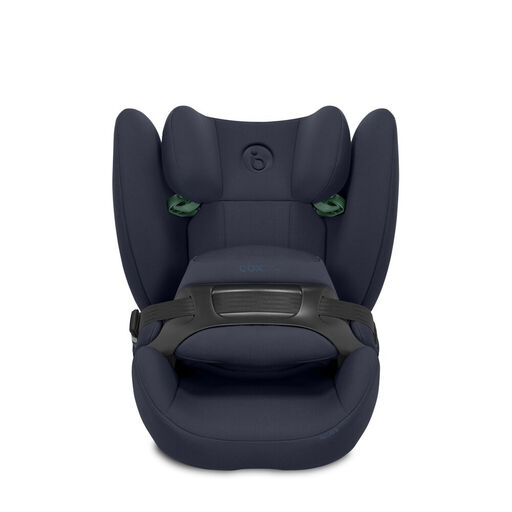
Why this product suits this profile: The seat covers 76 to 150 cm and is designed for use from around 15 months up to approximately 12 years. This makes it suitable for families looking for one seat for several stages of development.
The height ranges are clearly separated: the impact shield is used up to 105 cm, followed by the vehicle’s three-point seat belt. This makes the changeover easy to understand.
UN R129/04, ISOFIX with Top Tether, 12-position adjustable headrest and removable impact shield.

Why this product suits this profile: This rear-facing child car seat is designed for 40 to 105 cm and features an integrated ISOFIX base with support leg, as well as a 360° rotation function.
Use from birth requires the supplied or specified newborn insert. This means the product is not marketed on the age recommendation alone.
360° rotation, five recline positions in both directions of travel, 12 headrest positions and integrated L.S.P. side-impact protection.
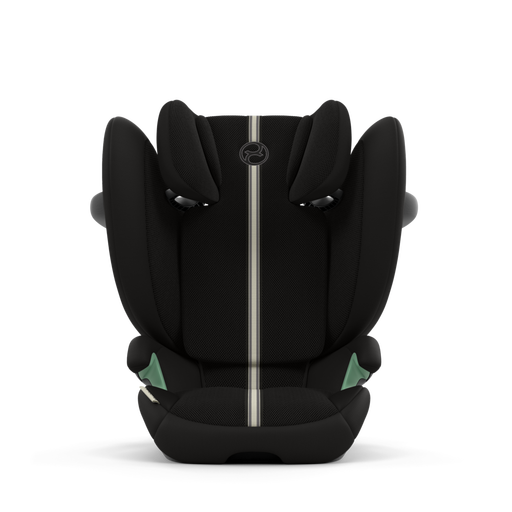
Why this product suits this profile: For children from 100 to 150 cm, this seat is an option for families that frequently switch between vehicles or want to store the seat compactly.
The usage range is clearly limited to 100 to 150 cm. The seat is therefore not intended as a child car seat from birth or for toddlers.
UN R129/04, ISOFIX or vehicle seat belt, foldable design, 5,8 kg weight and adjustable headrest.
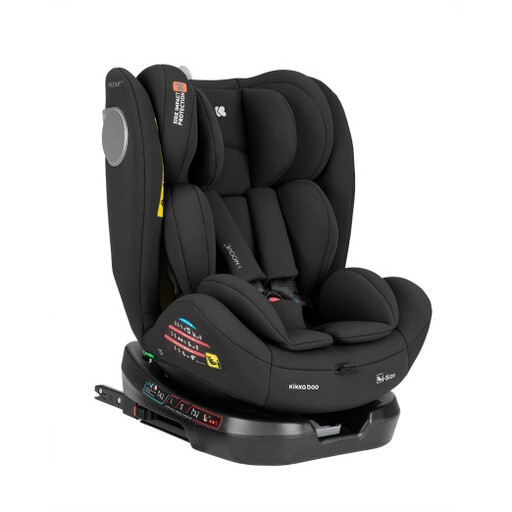
Why this product suits this profile: This model is designed for 40 to 150 cm and combines rear-facing use, 360° rotation and adjustments for several age groups.
The supplier specifies separate ranges: rear-facing use from 40 to 105 cm and forward-facing use from 76 to 150 cm. These limits should be observed.
UN R129/04, ISOFIX plus Top Tether, 24-position adjustable headrest, 360° rotation and integrated side-impact protection.
We have compiled a complete, regularly updated list of products that fully meet these strict selection criteria and the safety regulations applicable in the EU.
No. The approved seating positions, ISOFIX anchorage points, required Top Tether or support leg and the manufacturer’s vehicle list are all crucial. You should also check your car’s owner’s manual.
This depends on the approved height range. Models for 40 to 105 cm are designed for babies and toddlers. A child car seat from 15 months to 12 years, for example, can cover 76 to 150 cm. A seat for 100 to 150 cm, on the other hand, is intended only for older children.
A high-back booster seat may be suitable once your child has reached at least the specified height. The backrest supports correct seat-belt positioning and provides an adjustable headrest. Approval, your child’s height and the correct position of the three-point seat belt remain the key factors.