
Lieferung heute & morgen

Qualitätsgarantie

Willkommens-Angebote freischalten: KOSTENLOSE Lieferung | Bis zu 80 % RABATT | Kostenlose 30-Tage-JoyPlus-Testphase
App herunterladen
An i-Size child car seat should offer more than a well-padded appearance. What matters is whether the seat is suitable for your child’s height, your vehicle and the intended installation method. If you focus solely on age, brand name or a 360-degree function, you could still end up buying an unsuitable ISOFIX child car seat despite spending a significant amount.
“From 0 to 12 years” sounds practical, but it is no guarantee that the seat will remain suitable throughout that period. Under ECE R129 or UN R129, child car seats are classified primarily according to the child’s height. A 40-150 cm child car seat may cover a wide range, but it requires different inserts, harness positions and adjustments depending on the child’s stage of development.
Before buying, check:
ISOFIX makes installation easier, but it does not automatically fit every seat in every vehicle. Some models also require a Top Tether, while others use a support leg. With a rear-facing seat featuring a support leg, the vehicle floor must be suitable for this type of installation. The information in your vehicle handbook and the seat instructions is therefore definitive.
Another point to consider is that some vehicles have ISOFIX anchor points, but the seat may not have enough space for rear-facing installation. Before buying, you should take the installation dimensions and the position of the front seat into account.
A 360-degree swivel function can make placing your child in the seat easier. However, it says nothing on its own about the correct size, harness routing or stability in the vehicle. A reclined position is only useful if it is approved for the relevant direction of travel and height range.
An ECE R129 child car seat is approved according to the child’s height and must meet side-impact protection requirements. Look for the clearly visible approval label and the exact standard designation, such as UN R129/03 or UN R129/04. The standard does not replace the operating instructions: a seat may only be used within the specified height and weight range.
An ISOFIX child car seat can create a secure connection to the vehicle. Depending on the model, older children are also secured with the car’s three-point seat belt. Important points include:
A child seat booster without its own belt guide or backrest should only be used within the expressly approved height range. With simple models for 125-150 cm, the vehicle’s three-point seat belt is essential.
A growing child car seat is practical when the changeover process is clearly documented. In particular, check when:
This helps prevent a seat from having a theoretically long service life but needing to be replaced early in practice because of tight padding or complicated transitions.
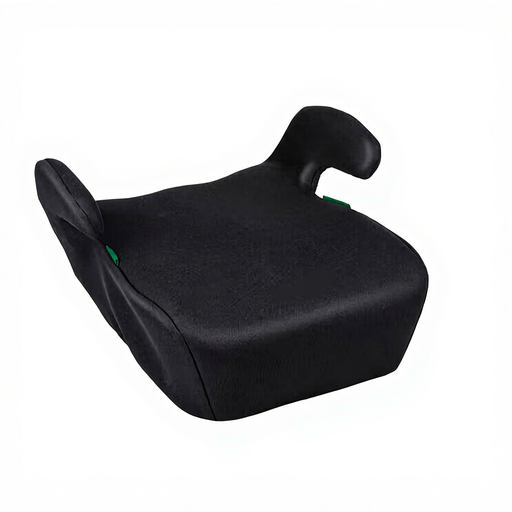
Why this product suits this profile: For older children between 125 and 150 cm, when a lightweight, straightforward solution is needed for switching between vehicles every day.
The approved range of 125-150 cm is clearly defined, helping to prevent the booster from being used too early.
ECE R129, weighing approximately 1 kg, with armrests and a removable, washable cover. Secured with the three-point seat belt.

Why this product suits this profile: For families with a baby or toddler who want to combine rear-facing travel, a 360-degree rotation and multiple recline positions.
The range is clearly stated as 40-105 cm. However, the integrated ISOFIX base with support leg still requires you to check the vehicle floor.
UN R129/03, 360° rotation, a 12-position adjustable headrest and five recline positions. The cover is machine washable at 30 °C.
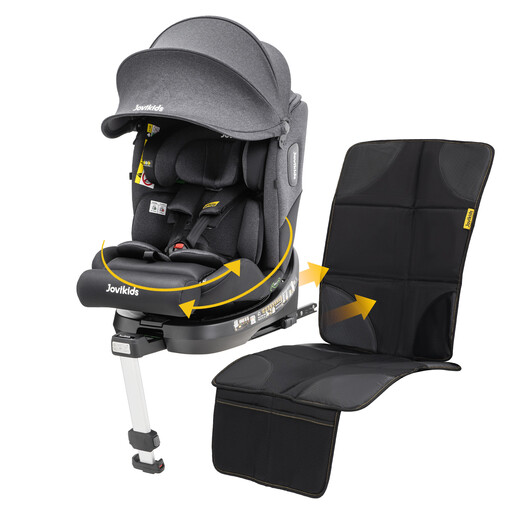
Why this product suits this profile: For families looking for a 360-degree child car seat from birth to approximately 12 years, with plenty of adjustment options.
The specifications state a range of 40-150 cm and allow for both rear-facing and forward-facing use. Installation space and the support leg must be checked before buying.
ECE R129, ISOFIX, 360° rotation, 12 headrest positions, adjustable recline and a removable sun canopy.
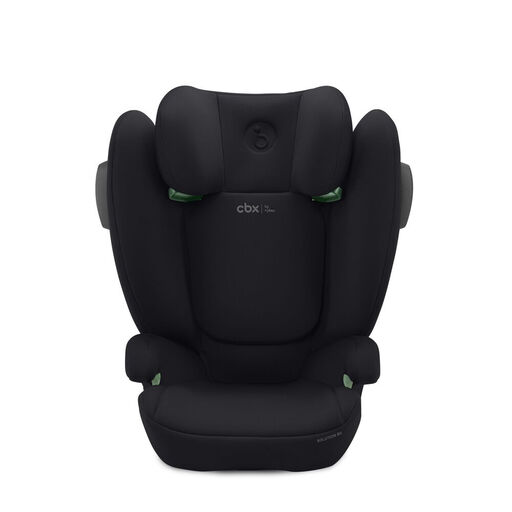
Why this product suits this profile: For parents looking for a 2-in-1 seat for 76-150 cm that can be used through several stages of growth.
The transition is clearly described: the impact shield is used up to 105 cm or 21 kg, after which the vehicle’s three-point seat belt is used.
UN R129/04, ISOFIX and Top Tether, a 12-position adjustable headrest and adjustable backrest. The cover is machine washable at 30 °C.
We have put together a complete, regularly updated list of products that fully meet these strict selection criteria and the safety regulations applicable in the EU.
This depends on the approval of the particular model. The booster mentioned here is intended for 125-150 cm and is used with the three-point seat belt. According to the product specifications, other models such as CYBEX Solution or Chicco Quizy start at 100 cm. The approval label and operating instructions always remain the deciding factors.
According to the product specifications, a model for 40-150 cm may be intended for use from birth to approximately 12 years of age. A Pallas seat, on the other hand, covers the 76-150 cm range. The actual period of use depends on the child’s physical development, the correct belt position and the condition of the seat.
No. In addition to having ISOFIX anchor points, the seat surface, vehicle floor, support leg and available space must all be suitable. Check the manufacturer’s compatibility list before ordering. If the front passenger airbag is active, a child car seat may only be used on the front passenger seat in accordance with the vehicle and seat instructions.