
Lieferung heute & morgen

Qualitätsgarantie

Willkommens-Angebote freischalten: KOSTENLOSE Lieferung | Bis zu 80 % RABATT | Kostenlose 30-Tage-JoyPlus-Testphase
App herunterladen
An i-Size child car seat should be suitable not only for your child’s age, but above all for their height and your vehicle. Even so, choosing the right model can be difficult for parents in Germany: product pages often list numerous features, while important details about installation, seating direction and usage limits receive less attention.
Three common purchasing misconceptions can lead to unnecessary expense:
The UN R129 standard, often referred to as ECE R129 or i-Size, classifies child car seats according to height. It also sets requirements for side-impact protection and the use of rear-facing seating positions. The specific approval may be listed as UN R129/03 or UN R129/04, for example, and must be verifiable on the approval label and in the instruction manual.
A seat marked 76–150 cm is not intended for a baby from birth. In contrast, according to the manufacturer, a model for 40–150 cm may be suitable from birth if the newborn insert is used correctly. The manufacturer’s information and installation instructions always take precedence.
A child car seat suitable from birth should offer a suitable reclined or newborn position, a compatible insert and rear-facing installation. For babies and toddlers, a rear-facing child car seat is important. With many R129 seats, forward-facing use is only permitted from at least 15 months and depends on the approved height range.
Look out for the following information:
With a child car seat with ISOFIX, the connectors, vehicle approval and, where applicable, the Top Tether or support leg must all be compatible. Checking your vehicle’s handbook can help you avoid buying the wrong model. Before purchasing, also check:
Side-impact protection may be integrated into the seat shell or side wings. However, the designation alone says nothing about the actual level of protection in every vehicle. You should therefore follow the instruction manual and never remove or modify any components.
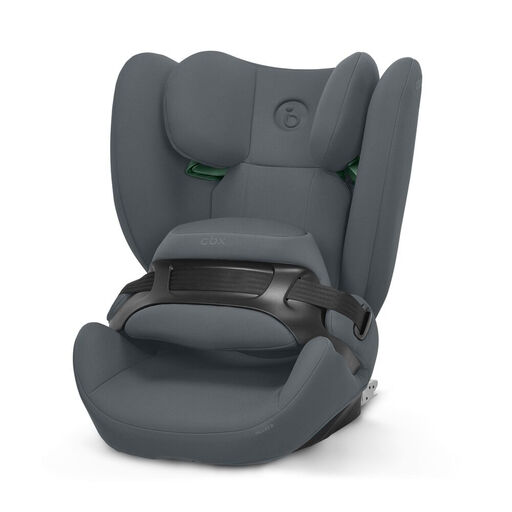
Why this product suits this profile: According to the product details, this 2-in-1 child car seat is suitable for 76–150 cm and approximately 15 months to 12 years. It is therefore an appealing option for families who would rather not buy several different seat groups.
The clearly specified change from the impact shield to securing your child with the vehicle seat belt helps prevent the long usage period from being misunderstood.
UN R129/04, ISOFIX and Top Tether, a 12-position adjustable head restraint and a machine-washable cover at 30 °C.

Why this product suits this profile: For parents who value an integrated base, rear-facing use and simple operation, this model is suitable for 61–105 cm; according to the product details, it can be used from 40 cm with the appropriate insert.
The specific height range makes it clear that this is not a child car seat for use up to 12 years. This allows you to plan realistically for purchasing a follow-on seat later.
360-degree swivel function, integrated ISOFIX base with support leg, five recline positions and a 12-position adjustable head restraint.
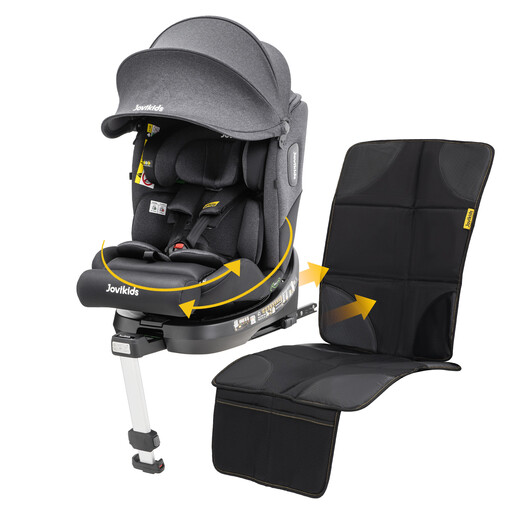
Why this product suits this profile: According to the product description, this seat covers 40–150 cm and is aimed at families looking for a long usage period, a swivel function and a rear-facing option in one model.
The newborn insert, 12 head restraint positions and removable padding make it easy to adapt the seat clearly through the different stages of your child’s growth.
360-degree rotation, ISOFIX with adjustable support leg, removable sun canopy and washable cover.
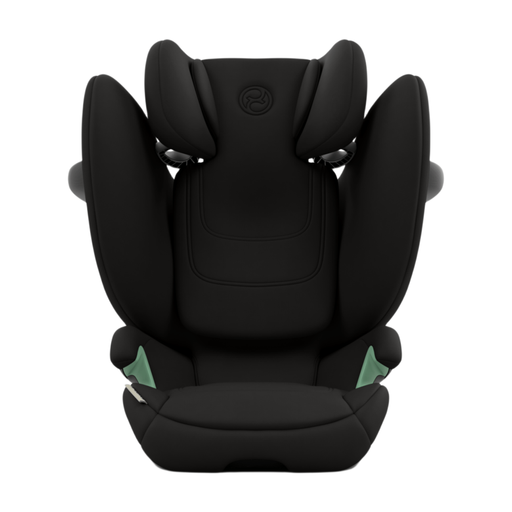
Why this product suits this profile: According to the product details, this seat is designed for 100–150 cm and is suitable for older children who are already secured using the vehicle’s three-point seat belt.
The limited height range prevents the mistaken expectation that this is a seat for babies or toddlers.
UN R129/04, ISOFIX, foldable design, weight of 5,8 kg and a 12-position adjustable head restraint.
Before your first journey, read the instructions for both the child car seat and the vehicle. Check the green installation indicators, ensure that the Top Tether is tight and that the support leg is correctly in contact with the vehicle floor. The seat belt must not be twisted and must follow the marked belt path.
With a seat featuring an impact shield or 5-point harness, the applicable height and weight limits must be observed. Thick winter clothing can alter the position of the harness. A thin layer of clothing is preferable, with an additional blanket placed over the correctly fastened harness.
A cover that is washable at 30 °C and removable makes regular care easier. Following an accident, a child car seat should be replaced in line with the manufacturer’s instructions, even if no visible damage can be found.
We have put together a complete, regularly updated list of products that fully meet these strict selection criteria and the safety regulations applicable in the EU.
With UN R129 seats, forward-facing use is generally only permitted from 15 months. The child’s height and the instruction manual for the specific model must also be taken into account. Rear-facing use is important for smaller children.
This depends on the approved height and weight range. A model for 40–105 cm typically reaches its limit during the toddler years. According to the manufacturer, a child car seat for 76–150 cm or 100–150 cm can be used until around the age of 12, provided that your child remains within the limits and the seat is undamaged.
No. Some seats are installed using ISOFIX and Top Tether, while others use ISOFIX only for stabilisation and additionally secure the child with the vehicle seat belt. The decisive factors are the seat’s approval, vehicle compatibility and installation instructions.