
Lieferung heute & morgen

Qualitätsgarantie

Willkommens-Angebote freischalten: KOSTENLOSE Lieferung | Bis zu 80 % RABATT | Kostenlose 30-Tage-JoyPlus-Testphase
App herunterladen
An i-Size child car seat needs to suit your child, your car and your everyday routine. In practice, the wrong purchase is often down to more than price: it could be an unsuitable size range, complicated installation or vehicle restrictions that have been overlooked. The criteria below will help you distinguish marketing claims from features that really matter.
Age recommendations are only a rough guide. The ECE R129 standard, also known as i-Size, classifies child car seats mainly by a child’s height. So a seat advertised as suitable “up to 12 years” won’t necessarily fit equally well throughout that whole period. What matters is the height range specified by the manufacturer, the position of the headrest and the fit of the car’s seat belt.
A swivel car seat can make it easier to get your child in and out. But the ability to rotate doesn’t mean the seat is approved for your vehicle. Before buying, check whether your car has ISOFIX anchor points, whether a support leg can be used on the floor of the vehicle and whether the seat’s swivel function works with the shape of your rear seat. A 360° car seat also needs enough room between the rear seat and the front seat.
Terms such as “side-impact protection”, “ISOFIX car seat” and “rear-facing car seat” describe important features, but they’re no substitute for the instruction manual. A seat can only be used as intended when its installation, direction of travel, harness system and height range are all right for your child and vehicle.
An ECE R129 car seat is approved under UN Regulation R129. A child’s height is a key factor in this standard, which also includes requirements for side-impact testing. Before buying, check that the product label and instructions show UN R129/03 or UN R129/04. You’ll find the exact version in the product details.
A rear-facing seat, also known as a rear-facing car seat, is a popular choice for babies and toddlers. According to the product details, models such as the CYBEX Sirona Gi i-Size are designed for children from 61 to 105 cm; with the right newborn insert, they can be used from 40 cm. Other seats, such as a 15–36 kg car seat, are intended for older children and are usually used with the car’s seat belt.
Always compare the claim “car seat from birth” with the actual minimum height, the insert supplied and the permitted recline position. Not every child car seat advertised as “0–12 years” has the same design or installation method at every stage.
ISOFIX can make installation easier, provided your vehicle is approved for it. Depending on the model, you may also need to use a support leg, Top Tether or the vehicle’s three-point seat belt. With a booster seat that has no backrest, the car’s seat belt is generally responsible for securing your child.
Other practical things to consider include:
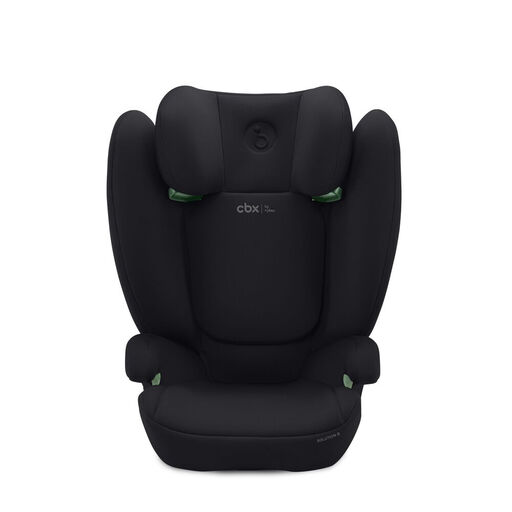
Why this product suits this profile: According to the product details, this seat is designed for children from 100 to 150 cm, or around 3 to 12 years old. It’s a good option for families looking for a clearly defined seat for their child’s next growth stage.
The specified height range helps ensure the seat isn’t used outside the intended limits. The product description also lists ISOFIX and a headrest with 12 adjustment positions.
UN R129/04, ISOFIX installation, adjustable headrest and removable cover, washable at 30 °C.

Why this product suits this profile: This swivel i-Size car seat is aimed at families with toddlers who want both rear- and forward-facing use, along with easier access from the side.
The specified height range is 61–105 cm, or from 40 cm with the baby insert. This makes it easier to check whether the seat is suitable than relying on an age recommendation alone.
UN R129/03, 360° rotation, ISOFIX with support leg, five recline positions and a headrest with 12 adjustment positions.
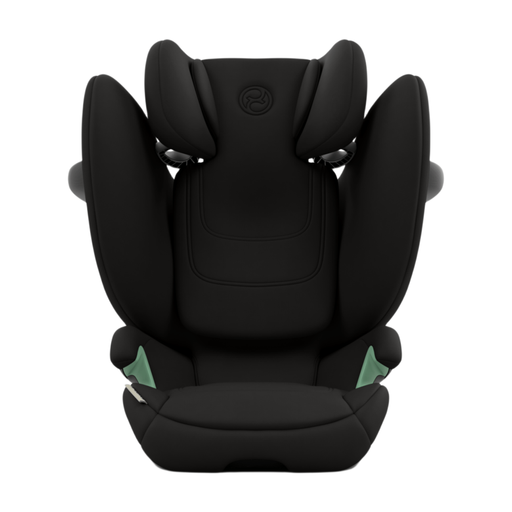
Why this product suits this profile: This folding seat is designed for children from 100 to 150 cm and weighs around 5.8 kg, according to the product details. That could make it a practical choice for families with several cars or who often switch between vehicles.
Its folding design takes up less storage space. Even so, check ISOFIX, the car’s seat belt routing and vehicle approval before every use.
UN R129/04, folding design, ISOFIX, adjustable headrest and L.S.P. system, according to the product description.
We’ve put together a comprehensive, regularly updated range of products that meet these strict selection criteria and the safety regulations in force across the EU.
Not automatically. The ISOFIX anchor points, support leg, Top Tether point and seat shape all need to be compatible with your vehicle. Always check the manufacturer’s compatibility list and your car’s handbook.
That depends on the model, its height range and its condition. A seat for children from 40 to 105 cm is intended for a different stage from one for 100–150 cm. You should also follow the manufacturer’s recommended period of use or replacement date, and replace the seat after an accident.
A simple booster is only suitable within its specified height range and when used with a correctly positioned three-point seat belt. For smaller children, a seat with a backrest, headrest and side-impact protection may be better suited to their height.