
Lieferung heute & morgen

Qualitätsgarantie

Willkommens-Angebote freischalten: KOSTENLOSE Lieferung | Bis zu 80 % RABATT | Kostenlose 30-Tage-JoyPlus-Testphase
App herunterladen
An i-Size child car seat should fit not only your child’s age, but above all their height and your vehicle. Many parents, however, start by looking at colours, brands or a broad age range. This can lead to the wrong purchase: a seat advertised as suitable “from birth to 12 years” won’t necessarily fit every car, and it will need to be adjusted correctly as your child grows.
Under UN ECE R129, also known as ECE R129 (i-Size), your child’s height is the main consideration. A 40–150 cm child car seat covers a wide range, but requires different settings, installation methods and restraint systems at different heights. Always check:
A 360-degree swivel child car seat makes it easier to get your child in and out. However, the swivel function doesn’t replace a vehicle compatibility check. Important factors include the space in front of the seat, the position of the ISOFIX anchor points, the surface under the support leg and the details in the vehicle compatibility list.
An ISOFIX child car seat can often be fitted securely and clearly. Even so, you must check the installation using the indicators and instruction manual. Some models also require a Top Tether or support leg. For seats designed for older children, the vehicle seat belt may secure the child, while ISOFIX simply keeps the seat stable.
For babies, choose a child car seat from birth that can be used rear-facing. Models such as the CYBEX Sirona Gi i-Size cover 40–105 cm, according to the product details. A rear-facing seat can be a good option for babies and toddlers, provided there’s enough room in your vehicle and the instructions allow the type of use you need.
For older children, there are seats in the 100–150 cm range, such as the CYBEX Solution B i-FIX or the Chicco Quizy i-Size. These models are designed for a different stage of development from a seat covering 40–105 cm. A seat that claims to last for many years is only practical if you make all the necessary adjustments regularly.
Check the specific approval details, such as UN R129/04 or ECE R129/03. The standard covers, among other things, classification by height and requirements for side-impact protection. The term “i-Size” alone doesn’t mean the seat can be used in every vehicle. Always check the instruction manual, vehicle handbook and compatibility list.
A child car seat with side-impact protection may have protective features built into the side wings, headrest or seat shell. Compare the product details carefully: is the feature built in, or does it need to be fitted? Does it adjust in height? Is there enough room next to the seat?
Adjustability matters in everyday use, too. A headrest with multiple height settings, an adjustable backrest and an easy-to-reach harness can help you avoid leaving it too long before adjusting the seat as your child grows.
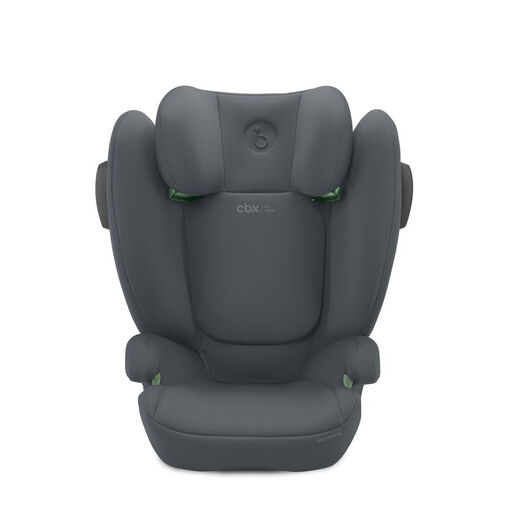
Why this product suits this profile: Designed for 100–150 cm, this seat is a good choice for families looking for a clearly defined option for older children. ISOFIX and a 12-position adjustable headrest make it easier to keep the seat adjusted as your child grows.
The clearly stated height range helps prevent the seat being bought too early for a smaller child. The product description specifically mentions UN R129/04 and ISOFIX.
100–150 cm, 12 headrest positions, adjustable backrest and a machine-washable cover at 30 °C.

Why this product suits this profile: Designed for 40–105 cm, this seat has an integrated ISOFIX base, a 360-degree swivel and rear-facing use for smaller children.
The product details clearly distinguish the birth-to-around-four-years range from seats for older children. A newborn insert is specified for 40–60 cm.
UN R129/03, integrated ISOFIX base, 360-degree swivel mechanism, 12 headrest positions and several recline positions.
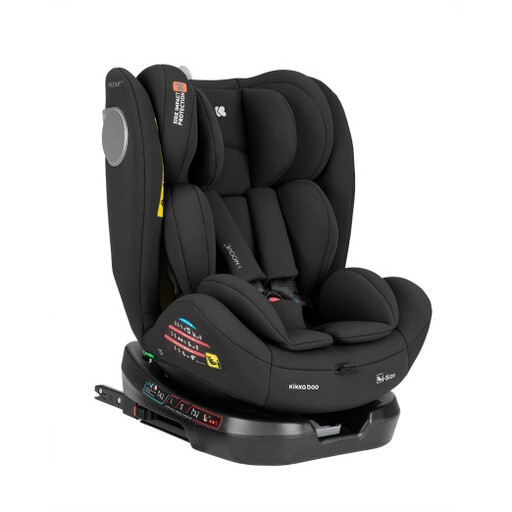
Why this product suits this profile: This adjustable child car seat is aimed at families who want to cover a wide height range of 40–150 cm and often switch between rear-facing and forward-facing use.
The instructions specify different directions of travel and fitting methods for each height range. This makes it clear how to adjust the seat, rather than relying on a broad age claim.
UN R129/04, 360-degree swivel, ISOFIX plus Top Tether, 24-position adjustable headrest and removable covers.
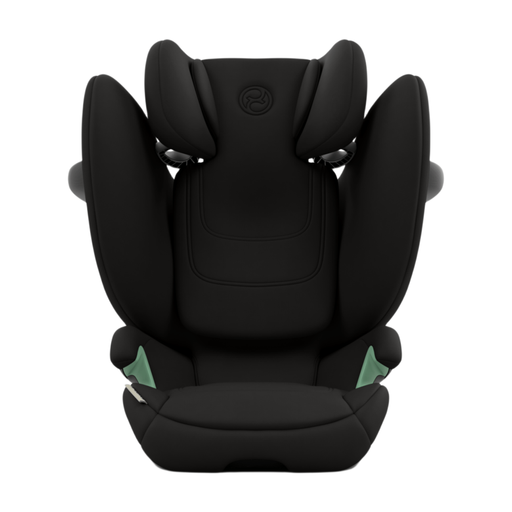
Why this product suits this profile: This foldable model is designed for children measuring 100–150 cm and weighs 5.8 kg, according to the product description. That makes it easier to move between different vehicles.
Its light weight and foldable design help avoid the common mistake of buying a seat that’s too cumbersome for taxis, a second car or travelling.
100–150 cm, 5.8 kg, foldable design, ISOFIX or vehicle seat belt and a 12-position adjustable headrest.
We’ve put together a complete, regularly updated list of products that meet these strict selection criteria and fully comply with the safety regulations in force in the EU.
i-Size refers to approval under UN ECE R129. Seats are classified mainly by height. The standard also includes side-impact protection requirements and, depending on the approval, rules about which way the seat should face. You’ll still need to check that the seat is compatible with your vehicle.
It depends on the model. A seat such as the CYBEX Sirona Gi i-Size, or another model specifically approved from 40 cm, may be suitable from birth. Check the newborn insert, minimum height, rear-facing use and the instruction manual.
A 100–150 cm seat is designed for older children and may be used for several years, depending on how quickly your child grows. Stop using it once your child reaches the upper height limit or the seat no longer fits correctly for another reason. Regularly check that the shoulder and lap belts sit correctly and that the headrest is adjusted to the right height.