
Lieferung heute & morgen

Qualitätsgarantie

Willkommens-Angebote freischalten: KOSTENLOSE Lieferung | Bis zu 80 % RABATT | Kostenlose 30-Tage-JoyPlus-Testphase
App herunterladen
An i-Size ISOFIX car seat is designed to make installation easier and adapt to your child’s growth. In practice, however, product claims, unclear size specifications and failure to check vehicle compatibility often lead to unsuitable purchases. Families looking for a baby car seat, a 360-degree rear-facing car seat or a 40-150 cm car seat should take a close look at the technical details.
A growing car seat covering 40 to 150 cm may accommodate a wide range of heights. However, this does not mean that one model will fit equally well at every stage of your child’s development. For newborns, a suitable newborn insert, correctly adjusted harness and appropriate recline position are essential. As your child grows, the requirements for the headrest, shoulder harness and seat width change.
So don’t just check the age recommendation. Pay particular attention to:
ISOFIX makes it easier to click a seat into standardised anchor points. Nevertheless, not every ISOFIX car seat fits every vehicle seat. Some models also require a support leg, while others need a Top Tether. A baby car seat may also require a specific base station.
Before buying, compare your vehicle’s handbook with the manufacturer’s compatibility list. Also make sure there is enough room for a rear-facing seat, particularly when choosing a rear-facing model.
A car seat cup holder, summer cover or car seat rain cover can make everyday use more convenient. However, accessories cannot replace correct installation and must not interfere with the harness routing, headrest or side-impact protection. Only use accessories approved for the specific model.
For example, a rain cover must not be used while the child is unattended or when the vehicle interior is warm. With a cup holder, check that it does not obstruct emergency exit or interfere with seat adjustment.
The UN ECE R129 standard specifies, among other things, classification by height and requirements for side-impact protection. i-Size models therefore state their size in centimetres, for example 40-150 cm or 100-150 cm. The specific approval may vary depending on the model, such as R129-03 or R129-04.
An i-Size label is not a substitute for checking vehicle compatibility. Read the instructions and check which seating positions the product may be used on.
For babies and toddlers, rear-facing use is a key selection criterion. For a child car seat from birth, it should be clearly stated up to what height this position is permitted. Models with a 360-degree rotation function can make getting your child in and out easier. However, the rotation function alone says nothing about whether the seat is suitable for every child or vehicle.
A 100-150 cm car seat is intended for older children and is generally used with the vehicle’s three-point seat belt. Models such as the CYBEX Solution range feature a height-adjustable headrest and ISOFIX connectors. ISOFIX stabilises the seat, while children using this type of seat must still be secured with the vehicle’s seat belt as instructed.
Removable, washable covers, ventilation openings and clear harness routing are also important. A car seat with side-impact protection should be installed so that the side protection elements do not come into contact with the door, seat or other equipment.

Why this product suits this profile: The baby car seat is designed for 40 to 87 cm and up to 13 kg. It can be secured using ISOFIX or, alternatively, with a three-point seat belt.
The clearly defined size range prevents a general “from birth” claim from being mistaken for suitability through to school age.
UN ECE R129-03, adjustable headrest and harness, removable insert and a weight of 4.4 kg.
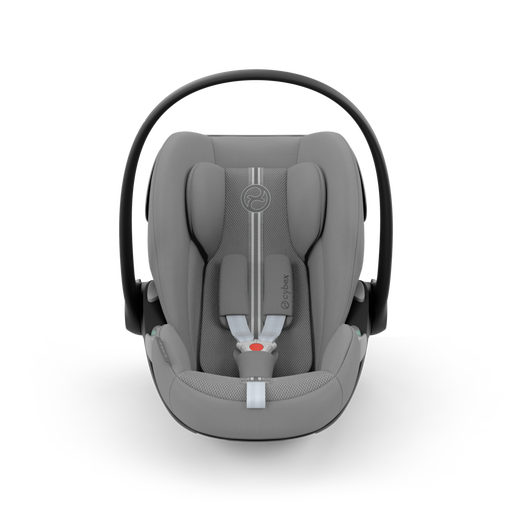
Why this product suits this profile: The baby car seat is designed for 40 to 87 cm and is compatible with Base G. A 180-degree rotation, adjustable recline position and newborn insert are included.
The required Base G compatibility is clearly stated. This means the base station can be specifically checked against your vehicle before purchase.
Rear-facing use, a headrest adjustable to 14 positions and an XXL sun canopy with UPF 50+, according to the product specifications.
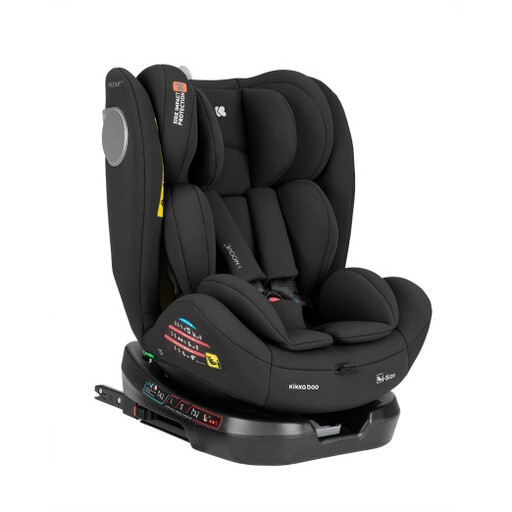
Why this product suits this profile: The seat is designed for 40 to 150 cm and offers a 360-degree rotation function for frequent journeys where your child needs to be secured and released often.
The specifications clearly distinguish between rear-facing use from 40 to 105 cm and forward-facing use from 76 to 150 cm.
24-position adjustable headrest, ISOFIX plus Top Tether, several recline positions and washable cover.
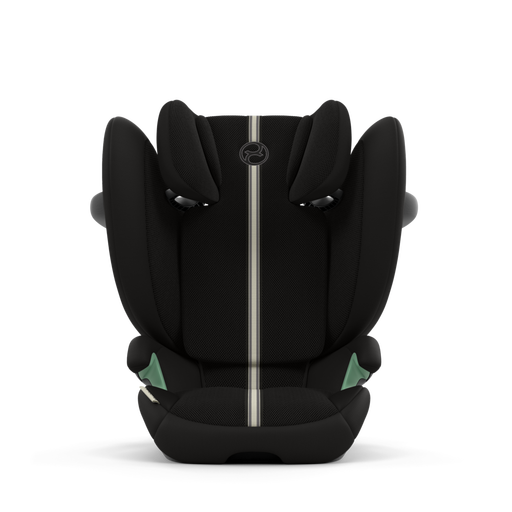
Why this product suits this profile: The seat is intended for children from 100 to 150 cm and, thanks to its foldable design, is suitable for families that switch between several vehicles.
The usage range is limited to 100 to 150 cm. This prevents a seat for older children from being mistakenly purchased for babies or toddlers.
Foldable, weighing 5.8 kg, ISOFIX-compatible, with a height-adjustable headrest and L.S.P. system, according to the product description.
We have put together a complete, regularly updated list of products that fully meet these strict selection criteria and the safety regulations applicable in the EU.
According to the product specifications, a seat in this category is designed for children between 100 and 150 cm, usually from around three years old. Height and correct positioning of the three-point seat belt are what matter, not age alone.
No. The vehicle must have suitable ISOFIX anchor points, and the specific seating position must be approved for the model. Also check whether a support leg or Top Tether is required and whether an active front airbag rules out use.
The service life depends on your child’s height and weight, the seat’s approval and its condition. If there is visible damage, worn harnesses or the seat has been involved in an accident, it should be replaced in accordance with the manufacturer’s instructions. Stated ranges such as 40-150 cm or 100-150 cm show the permitted height range, not automatically how long the seat will be suitable for every family.