
Lieferung heute & morgen

Qualitätsgarantie

Willkommens-Angebote freischalten: KOSTENLOSE Lieferung | Bis zu 80 % RABATT | Kostenlose 30-Tage-JoyPlus-Testphase
App herunterladen
There's nothing more tempting than the thought of creamy, homemade ice cream on a warm day. Having full control over the ingredients—whether sugar-free, vegan, or high-protein—is the main reason many consider an at-home ice cream maker. But the market is flooded with machines whose marketing promises often suggest more than the technology can deliver. Before you make a decision, it's important to know the common pitfalls that lead to disappointment and an unused appliance collecting dust in a corner.
As your Joybuy Product Recommendation Officer, I'll help you define objective criteria for your selection and understand how the different types of machines work.
Many buyers are swayed by appealing product photos or supposed special offers without recognising the technical drawbacks. These three points are the most common reasons for a bad purchase:
To avoid these traps, you should focus on three key technical features. These are the primary factors that determine the user experience, the quality of the ice cream, and the versatility of your machine.
The heart of any ice cream maker is its cooling system. There are two basic technologies here:
Modern appliances offer much more than just one function. Pay attention to the available programs and the processing method. A traditional gelato machine, for example, churns more slowly than a machine for American-style ice cream to incorporate less air and create a denser texture.
A newer technology, like the one used in the Ninja Creami, takes a different approach. Instead of chilling and churning a liquid base, it processes a completely frozen block of ingredients into a creamy texture using specialised blades. This method is particularly well-suited for making ice cream from unconventional bases like protein powder, frozen fruit (as a sorbet machine), or plant-based milk.
The size of the ice cream bowl should suit your household. For a family of four, a capacity of 1.5 to 2 litres is recommended. For singles or couples, 0.7 to 1 litre is often sufficient. A crucial factor for long-term satisfaction with the appliance is how easy it is to clean. Check whether the bowl, paddle, and lid are removable and, ideally, dishwasher-safe.
Here are a few recommendations tailored to different user profiles that specifically avoid the pitfalls mentioned.
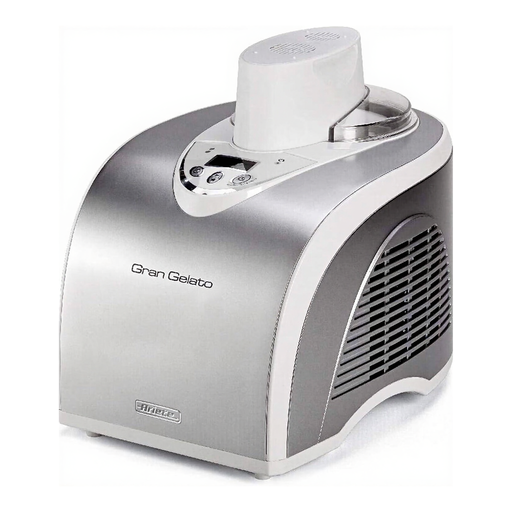
Why This Fits Their Persona: Ideal for users who want to make high-quality, classic ice cream, sorbet, or frozen yogurt without lengthy preparation. Perfect for a spontaneous dessert craving after dinner or for guests.
Thanks to the integrated compressor, the tedious pre-freezing of the bowl is completely eliminated. The machine is ready to use at any time, completely avoiding the "pre-freezing trap."
The built-in compressor ensures continuous cooling. The automatic shut-off and the keep-cool function for up to 1 hour are practical features.

Why This Fits Their Persona: Perfect for health-conscious users and food enthusiasts who want to experiment with vegan, keto, or sugar-free recipes and value multifunctionality.
This machine avoids the "lack of versatility" pitfall with 7 preset programs for ice cream, gelato, sorbet, smoothie bowls, and more. It is designed for a wide variety of recipes.
Its processing technology delivers creamy results even with low-fat or low-sugar bases. The separate "Mix-in" program evenly distributes ingredients like nuts or chocolate chips.
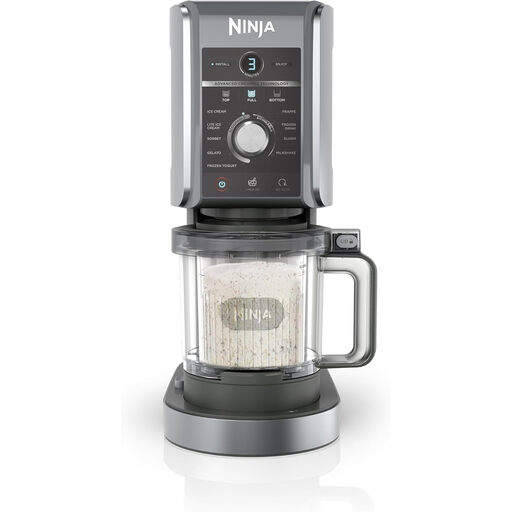
Why This Fits Their Persona: For families who want to make larger quantities and an even wider variety of frozen desserts and drinks, from ice cream to slushies and frappes.
With 10 programs and two larger tubs (706 ml each), this model solves the problem of limited versatility and insufficient capacity for families.
The 10 one-touch functions and the ability to make two different flavours in one tub offer maximum flexibility for different preferences.
Homemade ice cream tastes fantastic on its own, but also as an accompaniment to fine pastries. If you're looking for the perfect complement to your homemade gelato or sorbet, you might find the right inspiration here.
We've compiled a complete, up-to-date list of products that fully meet these strict selection criteria and safety regulations.
The actual processing time in an ice cream maker with a compressor is typically between 30 and 60 minutes, depending on the model, recipe, and ambient temperature. The key advantage is that there's no need for hours of pre-freezing the bowl, so the entire process from preparing the ingredients to finished ice cream is significantly faster.
A traditional ice cream maker churns a liquid ice cream base while it simultaneously freezes through contact with a chilled wall. The Ninja Creami, on the other hand, processes a block of ingredients that is already frozen solid. A rotating paddle with sharp blades shaves and churns its way from the top of the block to the bottom, whipping it into a creamy consistency. This method allows for the processing of bases with very low fat or sugar content, which would often become crystalline and hard in traditional machines.
Cleaning is easiest on models with fully removable parts. Make sure that the bowl, paddle, and lid are dishwasher-safe. This is usually explicitly stated in the product specifications. The motor unit itself must never be submerged in water and should only be wiped with a damp cloth. Always follow the specific cleaning instructions from the manufacturer.