
Lieferung heute & morgen

Qualitätsgarantie

Willkommens-Angebote freischalten: KOSTENLOSE Lieferung | Bis zu 80 % RABATT | Kostenlose 30-Tage-JoyPlus-Testphase
App herunterladen
An ice crusher can quickly add crushed ice to cocktails, iced coffee, slushies, smoothies and desserts. But not every appliance suits every household. Some models are designed exclusively for ice cubes, while others combine the function with a smoothie blender or universal chopper.
Before you buy, you shouldn't just focus on wattage or a flashy design. What really matters is the build type, cleaning, safety features and the actual amount of crushed ice you need.
An electric ice crusher or a stand blender with an ice-crush function is often promoted on the basis of its motor power. However, a higher wattage alone doesn't tell you how evenly the ice will be crushed. The blade shape, container geometry, operating mode and the ice cube size recommended by the manufacturer are also important.
A blender with an ice-crush function isn't automatically suitable for continuously crushing large quantities of ice. So always check the instruction manual and the maximum fill capacity.
Ice melts quickly. Water collects in containers, lids and blade mounts. If these areas aren't removable, daily cleaning can become a hassle. Look for removable parts, smooth surfaces and – with blenders – a "dishwasher-safe" label, if the manufacturer states one.
Cocktails often need coarse or medium crushed ice, whereas slushies and certain desserts require a finer consistency. A manual ice crusher usually gives you some control through the duration and speed of cranking. With an electric appliance, the result depends more on the programme and pulse duration.
A manual ice crusher doesn't need a power supply, generally operates with less noise and is easy to store. It's suitable for smaller quantities, occasional cocktail evenings and households that don't want extra kitchen electronics.
An electric model makes sense if you regularly process larger amounts. With a stand blender, you can also make smoothies, sauces or soups. However, you'll need more counter space and have to consider the cable, motor base and safety lock.
Stainless steel blades are standard for processing ice. With electric appliances, the blades and container should be securely connected. A transparent lid or container makes it easier to monitor the process without having to open the lid during operation.
Also look out for:
The maximum fill capacity must never be exceeded. With blenders, hard ingredients and ice should only be processed according to the manufacturer's instructions.
A small appliance with compact dimensions is practical for small kitchens. However, if you use it frequently, easy access to the blade mount is more important than an especially compact housing. Before cleaning, an electric ice crusher must be disconnected from the mains. Never use your fingers to remove residue from the blades.
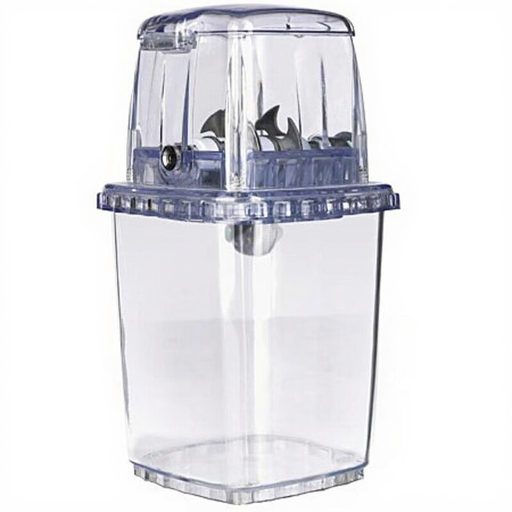
Why this product fits the profile: The manual ice crusher is designed for occasional amounts of crushed ice, small home bars and users who don't need an extra power supply.
No wattage is used as a performance promise. The simple mechanism reduces electrical components, and the transparent plastic body lets you monitor the process.
Compact dimensions of 24 × 16 × 12 cm, weight of 0.533 kg, plus stainless steel and impact-resistant plastic components.
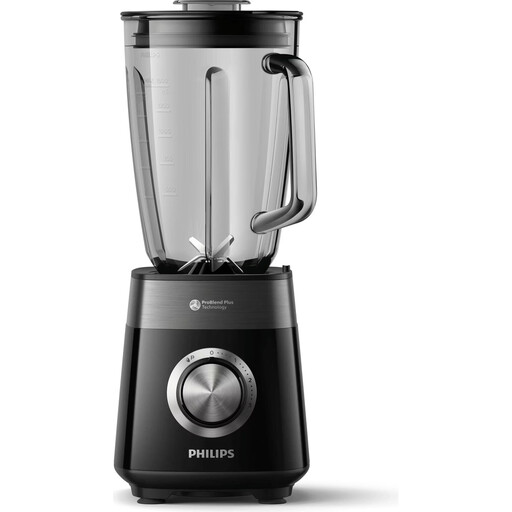
Why this product fits the profile: The stand blender combines ice crushing with smoothies, soups and sauces, and is aimed at households with regular use.
The ice-crush function is combined with a pulse function. Removable parts are dishwasher-safe according to the product information.
1200 W motor, 2-litre glass jug, stainless steel blades and a safety system to lock the container.
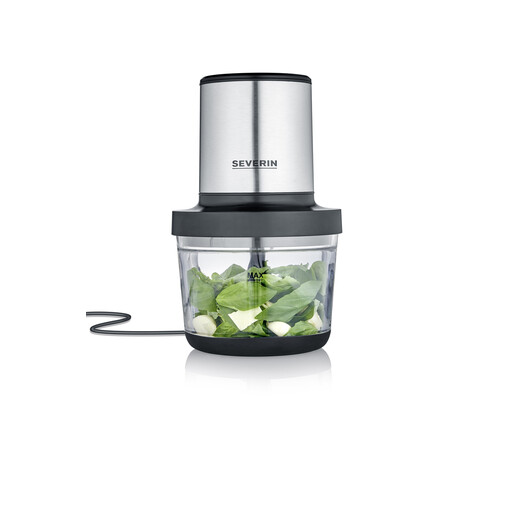
Why this product fits the profile: This multi-function appliance is ideal for users who want to chop nuts, herbs, cheese or other ingredients in addition to ice.
The buying decision isn't based solely on the ice function: according to the product description, the range of uses includes coarse and fine chopping.
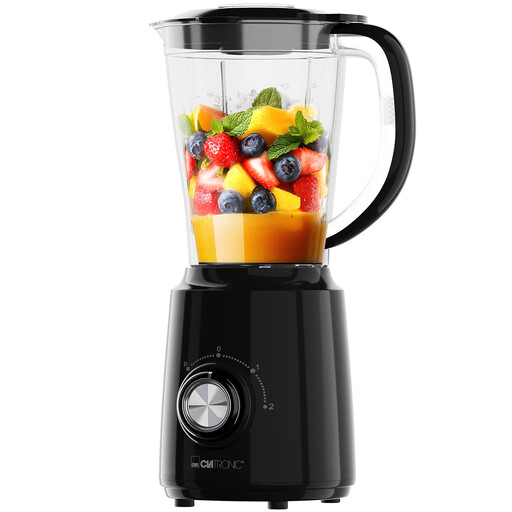
Why this product fits the profile: The 1.5-litre blender offers multiple speed settings and is suitable for drinks, smoothies and smaller kitchen tasks.
The ice-crush function is explicitly listed. A safety circuit prevents operation without the container correctly attached.
500 W motor, four speed settings including pulse/turbo function, BPA-free 1.5-litre container and removable stainless steel blades.
Only put ice cubes into the container that are suitable according to the instructions. A blender should stand on a stable, dry surface. With electric appliances: secure the lid, keep hands and utensils away from the blades, and unplug the appliance before opening or cleaning.
For lower running costs, the duration of use is key. A manual ice crusher uses no electricity, while an electric blender usually runs only for short periods. With frequent use, removable, dishwasher-safe parts can reduce cleaning effort. An ice maker is a separate purchase and doesn't replace an ice crusher: it produces ice but, depending on the model, doesn't crush it.
We've put together a complete, regularly updated list of products that fully meet these strict selection criteria and the safety regulations in force in the EU.
That depends on the container and the manufacturer's specifications. Never exceed the marked maximum fill capacity. For individual cocktails, a small appliance is often enough; families or regular hosts are better off with a blender that has a larger container.
Generally, manual cranking produces no motor noise. However, crushing requires physical effort and takes longer with larger quantities. Electric appliances work faster but generate operating noise.
No. Only use the ice-crush function if it is explicitly stated in the product description or instruction manual. Also check the container size, blade clearance and recommended ice cubes.