
Lieferung heute & morgen

Qualitätsgarantie

Willkommens-Angebote freischalten: KOSTENLOSE Lieferung | Bis zu 80 % RABATT | Kostenlose 30-Tage-JoyPlus-Testphase
App herunterladen
A suitable ice cube tray is a kitchen essential in many British homes – whether you’re making ice for water, lemonade, cocktails, whisky or frozen dessert ingredients. At first glance, many models look similar. The differences often become clear only once they’re in the freezer: the tray is difficult to stack, the ice cubes break when you try to remove them, or the lid doesn’t close securely.
If you focus only on a high cube count or eye-catching product photos, you could overlook important details. These three buying mistakes are particularly common:
For regular use, choose materials that are easy to clean and stay in shape at low temperatures. A silicone ice cube tray is usually flexible, and gently twisting it can help release the cubes. TPE and TPR are also somewhat flexible. With plastic models, the tray’s rigidity and the quality of the individual compartments matter more.
Check the care instructions:
Clean the product with warm water and washing-up liquid before first use and regularly thereafter. Thorough cleaning is particularly important when making flavoured ice cubes with herbs, fruit or juice, to prevent odours from lingering.
Classic small cubes freeze relatively quickly and are ideal for water, soft drinks or simple mixed drinks. For cocktails, a cocktail ice cube mould with larger, evenly shaped cubes may be a good choice. Larger pieces of ice generally take longer to melt, so they change the temperature of your drink more slowly.
If you serve whisky or bourbon, you could choose a whisky ice ball mould to make large spheres. The round shape is mainly a matter of preference and appearance. Check the stated size before you buy, as large spheres need more room in the freezer and won’t fit every glass.
The external dimensions matter as well as the number of compartments. A tray measuring 33,4 × 18,5 × 3,5 cm needs a sufficiently wide, flat space in your freezer. With an ice cube container with a lid or an ice cube box, you’ll also need to allow for the container’s dimensions.
A storage system is handy if you need ice regularly. It keeps the cubes separate from other frozen food and can be stacked to save space. Look for:
An ice cube maker with a separate storage container isn’t the same as a simple ice cube tray: it combines moulding and storage, while an electric ice cube maker also produces ice automatically.
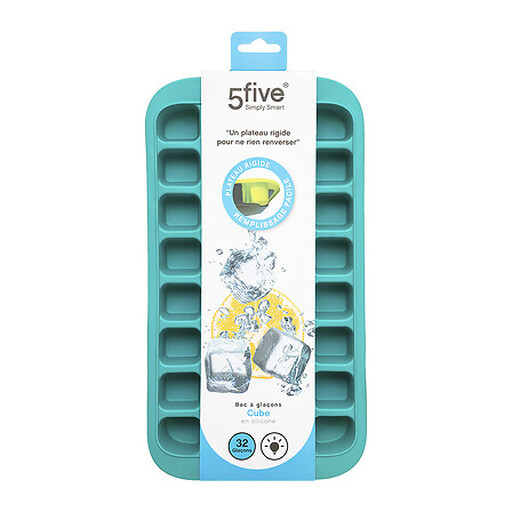
Why this product fits the bill: Its TPE, TPR and ABS construction combines flexible release with stated dimensions of 33,4 × 18,5 × 3,5 cm. It’s suitable for everyday use and for making flavoured ice cubes with fruit or herbs.
The flexible material helps release the cubes without the need for sharp objects. The product description also says it’s dishwasher-safe.
32 compartments, flexible materials and clear dimensions to help you plan your freezer space.
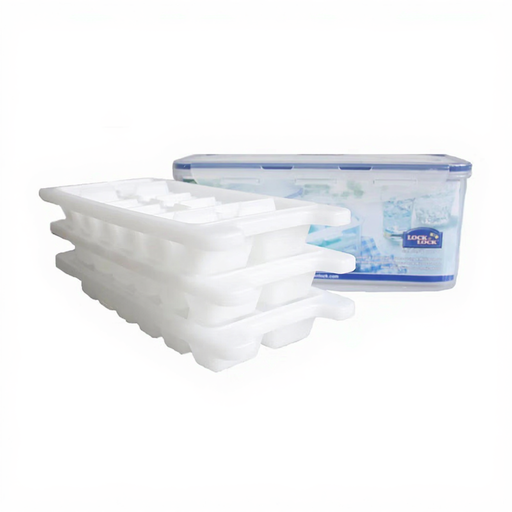
Why this product fits the bill: This 3.4-litre ice cube container comes with three inserts and is designed for households that want to store their ice neatly as well as make it.
The storage box keeps the ice cubes separate from the rest of your frozen food. According to the product description, it’s airtight, watertight, stackable and suitable for both the freezer and dishwasher.
3.4-litre capacity, three inserts, BPA-free plastic and dimensions of 29,7 × 15,2 × 11,8 cm.
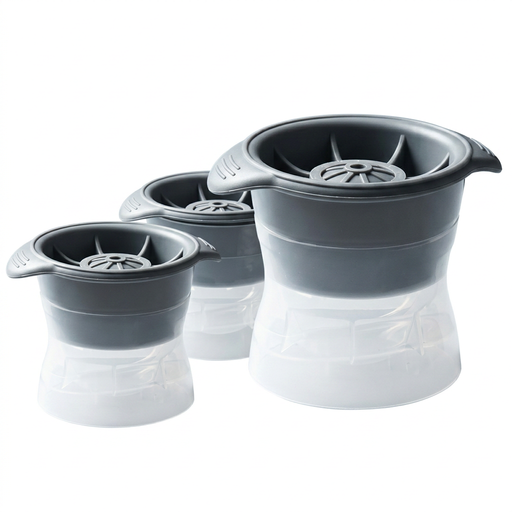
Why this product fits the bill: This two-piece set is designed to make large, spherical ice cubes. It’s ideal for whisky, bourbon or other drinks where you want something a little different.
The flexible mould is designed to make the ice easier to remove. The lid keeps the mould closed while freezing, but remember to leave room for the water to expand when filling it.
Set of two moulds, flexible silicone construction and stated sphere diameter of 6,5 cm.
We’ve put together a complete, regularly updated list of products that meet these strict selection criteria and fully comply with the safety regulations in force in the EU.
Don’t fill an ice cube tray right to the brim. Water expands as it freezes and can lift the lid or distort the tray. Place it on a stable, level surface wherever possible. If you’re using an ice cube container with a lid, close it only after the tray has been correctly positioned.
For good hygiene:
Flexible models made from silicone, TPE or TPR can make it easier to remove the ice. The rim should also be sturdy enough to stop the tray from collapsing completely when you twist it. For rigid plastic trays, a separate release mechanism or removable insert can be helpful.
Its lifespan depends on the material, how often you use it and how well you care for it. Sharp objects, naked flames and high temperatures can damage the tray. Follow the dishwasher instructions and stated temperature limits. It’s also a good idea to check for cracks or warping before each use.
A lidded container can be useful if you want to prepare larger quantities or store ice without it picking up odours. However, it takes up more space than a single ice cube tray. Check the external dimensions, how well it seals and whether it can be stacked securely in your freezer.