
Lieferung heute & morgen

Qualitätsgarantie

Willkommens-Angebote freischalten: KOSTENLOSE Lieferung | Bis zu 80 % RABATT | Kostenlose 30-Tage-JoyPlus-Testphase
App herunterladen
An ice maker can provide chilled drinks at the touch of a button or serve as a simple mould for the freezer. However, there are clear differences between an ice machine, a traditional ice cube tray and an ice cube bag when it comes to space, effort, ice capacity and cleaning.
If you only need ice for drinks occasionally, you do not necessarily need an electric appliance. For families, regular hosts or office use, an ice maker for home use may be more practical. The key is to identify which specifications genuinely match your needs and which marketing claims prove less meaningful on closer inspection.
Claims such as “12 kg in 24 hours” describe a theoretical daily output under specific conditions. They do not mean that this amount is available in the ice cube container at the same time. Many compact appliances only produce individual cycles and then need space for the finished ice cubes.
For a party, it is therefore not just the daily output that matters, but also:
A claim such as six or nine minutes is usually a guideline. Room temperature, water temperature, ventilation and the selected cube size all affect the actual duration. An appliance described as producing nine ice cubes in six to eight minutes may take longer in warm weather.
If you regularly want to chill lots of drinks, you should therefore allow for several production cycles rather than focusing solely on the shortest stated time.
An ice maker with self-cleaning can make it easier to run a cleaning cycle for water-carrying areas. Nevertheless, residue, water in the drain, the ice basket and hard-to-reach surfaces must still be checked after use and maintained in accordance with the manufacturer's instructions.
You should also check how long the cleaning cycle takes and whether the water can be drained completely. A side drainage opening can be helpful in everyday use.
Compact appliances often produce so-called bullet-shaped or hollow ice cubes. This shape may differ from traditional cubes made using ice cube trays. It is often suitable for soft drinks, water or beer; for cocktails, the melting speed may be more important.
Look at the combination of:
Daily output is particularly relevant if several people regularly need ice. For occasional use, simple ice cube bags or a reusable tray are often sufficient.
A compact ice machine needs a level, stable surface with sufficient ventilation. Ventilation openings must not be blocked by walls, cupboards or other objects. Before buying, compare the appliance's dimensions with the available space.
For kitchens and offices, dimensions and operating noise are particularly important. When camping, travelling in a motorhome or using the appliance on the move, weight, a carrying handle and power supply are also factors to consider. An appliance designed for the kitchen or office is not automatically suitable for every outdoor situation.
Indicators for “refill water” and “ice container full” are useful. They reduce the need for unnecessary checks during operation. A transparent lid or viewing window also allows you to monitor the production process.
Use clean drinking water only and follow the operating instructions. Electrical components, the mains plug and the housing must not be immersed in water. Even with appliances featuring self-cleaning, check whether manual draining and drying after use are required.
The selection below groups products according to practical usage situations. The information is based on the respective product descriptions and does not replace checking the complete manufacturer's specifications before buying.
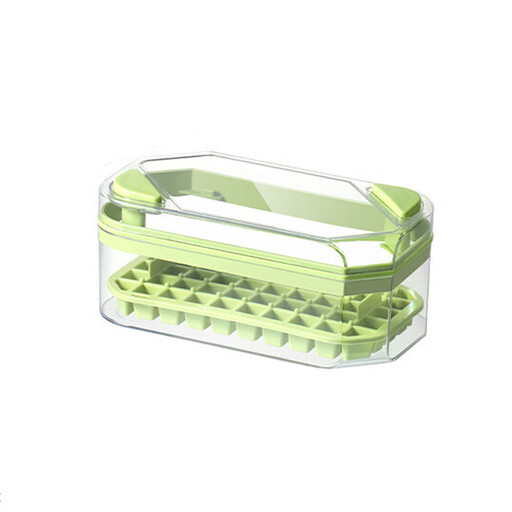
Why this product suits this profile: This manual solution requires no electricity and is ideal for households that want to prepare ice in the freezer occasionally. The name indicates a two-tier tray with 100 cells.
There is no unrealistic claim about instant production: freezing time depends transparently on your own freezer.
No power connection required; according to the product name, 100 cells and a double-layer design.
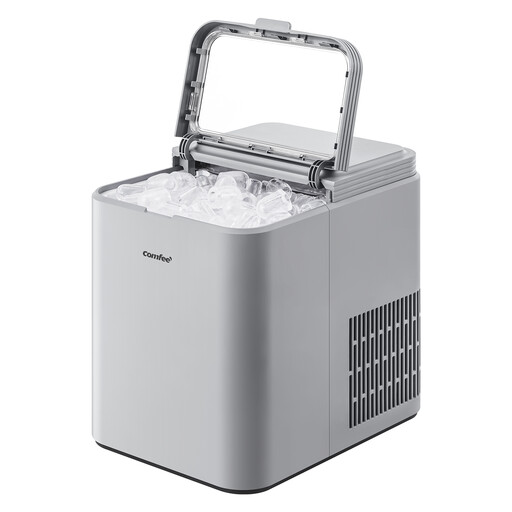
Why this product suits this profile: Designed for worktops in the kitchen, office or motorhome, this appliance offers two ice cube sizes, a 1.3-litre water tank and a removable basket.
The description specifically mentions the water tank, basket, two sizes and self-cleaning, rather than highlighting just a general convenience feature.
Stated output of up to 12 kg per day; self-cleaning function and ice cube basket included.
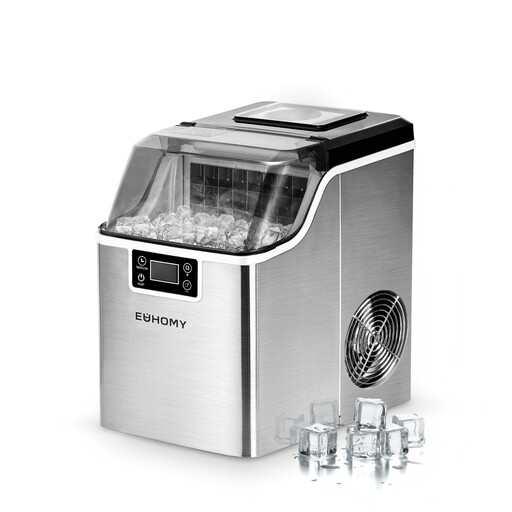
Why this product suits this profile: With a stated capacity of 3.2 litres, ice production of up to 20.5 kg in 24 hours and a timer, this appliance is designed for frequent use by families, at parties, in bars or in offices.
The description points out that the ice cubes may be connected to one another after each cycle and need to be separated before use.
3.2-litre water tank; 20-minute automatic cleaning programme and timer with a delay of up to eight hours.
We have put together a complete, regularly updated list of products that fully meet these strict selection criteria and the safety regulations applicable in the EU.
An ice maker for the kitchen and office produces ice independently of the freezer. However, it requires electricity, water and regular maintenance. Freshly produced ice should also not be left in the collection basket for long periods, as many appliances do not actively freeze the contents.
A tray or bag takes up less space and does not use additional electricity. When using ice cube bags, make sure they are filled correctly and stored securely. The product description for the Jeden Tag Ice Cube Bags states that they contain 24 bags made from food-safe plastic and advises against overfilling them. Self-sealing options such as the Pely Ice Cube Bags can make handling easier; according to the description, they are intended for single use.
For long-term storage, a separate ice cube container is suitable. Containers, tongs or scoops should be cleaned regularly and should not be handled with unwashed hands.
Depending on the model and conditions, the first ice cubes may be ready after around six to 13 minutes, according to the product description. Room temperature, water temperature and cube size affect the actual time. For larger quantities, allow for several cycles.
First, switch off the appliance and disconnect it from the mains. Remove the water from the tank and drain. Then clean the ice cube basket, scoop and accessible surfaces according to the instructions. An automatic programme helps with maintenance, but does not replace completely emptying and drying the appliance.
Running costs depend on electricity consumption, production volume and the electricity tariff. Drinking water is also required. When comparing appliances, consider the power consumption, daily use and actual ice production. If you only need a few ice cubes a week, a tray or bag may be the more resource-efficient option.