Busy mornings
If you pack fruit drinks on weekdays, you need the ice ready before you leave—not later in the day.


For fruit drinks packed on weekdays, a countertop ice maker is most worthwhile if you regularly need ice in the morning and the first batch is ready before you leave. If you can plan ahead the night before, an ice cube tray in your existing freezer may be enough. Compare the time to the first batch and the quantity you need, not just the daily output, and factor in the space it takes up and the cleaning involved. Ice in a drink does not replace proper chilling for perishable lunch items: the German Federal Institute for Risk Assessment stresses the importance of temperature during transport and storage, while the consumer advice centre recommends using a cool bag with frozen ice packs when transporting food in warm conditions.
If you pack fruit drinks on weekdays, you need the ice ready before you leave—not later in the day.
If you take a chilled drink with you, make separate plans to keep perishable food chilled during transport and storage.
If you use it regularly, consider not just how quickly it makes more ice but also the space it takes up, emptying it and cleaning an extra appliance on a regular basis.
A good fit if: you regularly need ice in the morning and want the first batch ready before you leave.
Things to consider: The appliance needs space, electricity and regular cleaning.
A good fit if: you can plan how much ice you need and freeze it the night before.
Things to consider: It won’t make a fresh supply of ice just before you leave.
| Priority | What to check before buying | Who values it most? |
|---|---|---|
| Ice ready before you leave | Time to the first batch, ice cubes per cycle and the portion you need. The manufacturer’s figures do not guarantee how long it will take in your kitchen. | When I’m packing in the morning, I need the ice ready in time—not just a high daily output. Around 33% of consumers prioritise having ice available when they need it. |
| Keeping food chilled during transport | Transport and storage conditions for the whole packed lunch. If it contains perishable food, plan to use a suitable cool bag with frozen ice packs. | If I’m taking perishable food with me, I need to plan how to keep it chilled separately from the ice in my drink. Around 27% of consumers put keeping food chilled on the go first. |
| Cleaning and emptying | How easy it is to access the tank and basket, whether there is a drain for leftover water, and the cleaning instructions for the specific model. | If I use it often, I want to be able to reach and clean the tank and basket easily. Around 20% of consumers prioritise ease of cleaning. |
| Space | The appliance’s dimensions and the space needed to fill and empty it, as well as to position it according to the instructions for that model. | If I’m short on worktop space, I need to know whether the appliance can stay there or be stored away between uses. Around 20% of consumers first consider the space available in their kitchen. |
A figure for 24 hours doesn’t tell you how much ice will be in the basket when you’re packing.
Work backwards from when you need to leave. Factor in the portion you need, the time to the first batch and the time for any further cycles.
Ice in a drink doesn’t prove that perishable food will stay sufficiently chilled during transport and storage.
Plan for the ice in your drink and the chilling of your food separately. The German Federal Institute for Risk Assessment highlights the importance of temperature during transport and storage, while the consumer advice centre recommends using a cool bag with frozen ice packs when transporting food in warm conditions.
UNOLD describes the function on the Freeze 48935 as rinsing the water circuit; this does not mean the appliance has been disinfected.
Read the cleaning instructions for the model you choose and check whether you can easily access the tank, basket and drain.
The details below relate to specific product ranges and manufacturer information. They can help you assess ice output, space requirements and cleaning needs.
The IceMaster Pro 3301 is a countertop model with two ice sizes. CASO Design specifies a 2.2-litre tank and a time of 6–13 minutes to the first batch.
For its 2-litre ice maker, Arendo specifies two ice sizes and short cycles for large cubes.
With regular use, the Freeze 48935 brings emptying and cleaning into focus too.
According to the manufacturer, the Bartender Pro 41143 has a 2.8-litre tank and an ice basket with a capacity of 1.5 kg.
The Compact ice maker is a smaller option, with a 1-litre tank according to the manufacturer.
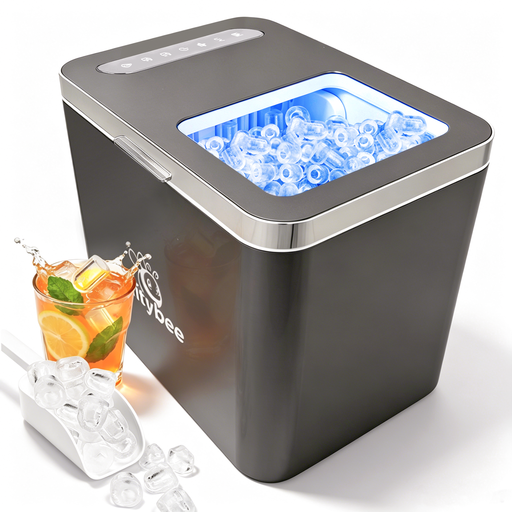
This selection features countertop ice makers for making ice cubes at home when you need a first batch before heading out.
 No image available
If you need a first batch of ice before heading out, the stated batch time and ice sizes are useful details to consider.
The product details specify around nine ice cubes in six minutes, two ice sizes and a 1.2-litre water tank. The stated daily output is up to 14 kg/24 h.
 No image available
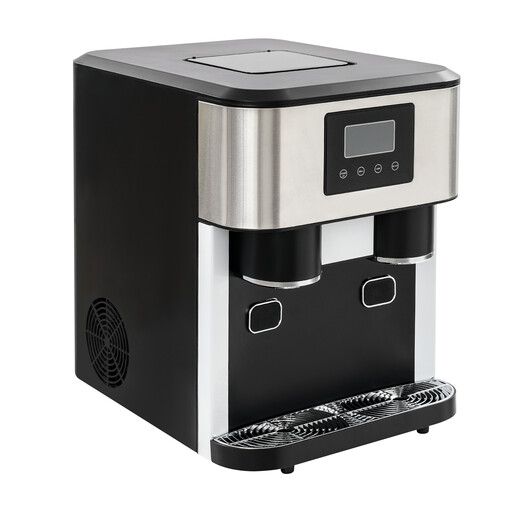
If you’re preparing several drinks and want extra drink options, batch size and the temperature conditions are important to consider.
The product details specify bullet ice, crushed ice and cold water, with manual filling or a hose connection. It makes 16 ice cubes per batch in 7–9 minutes at room temperatures below 77 °F.
 No image available
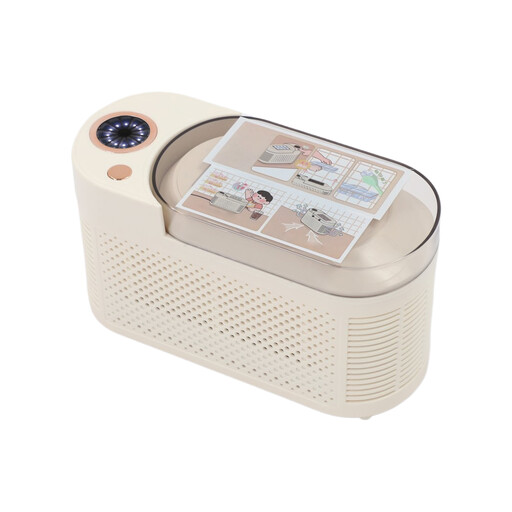
If you need different connection options, check the specified power supply and intended place of use.
The product details specify square ice cubes, 120 W and eight ice cubes per cycle. Power options include a mains adapter for indoor use and a 12 V car connection.
 No image available
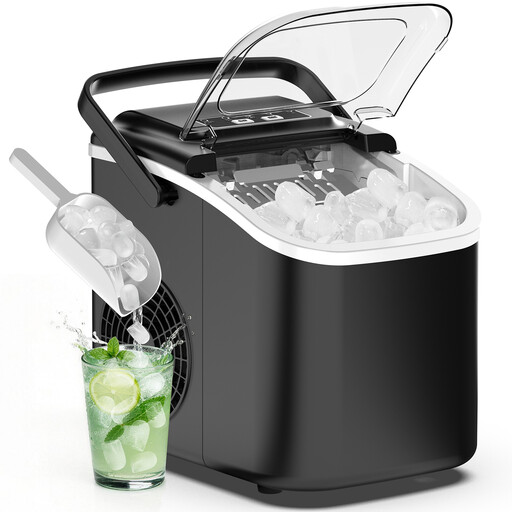
If you need several ice cubes before heading out, the stated batch time and your preferred ice size are useful details to consider.
The product details specify eight ice cubes in six minutes, two ice sizes and up to 12 kg/24 h. They also mention a 30-minute self-cleaning programme and an ice scoop; you should still follow the cleaning instructions.
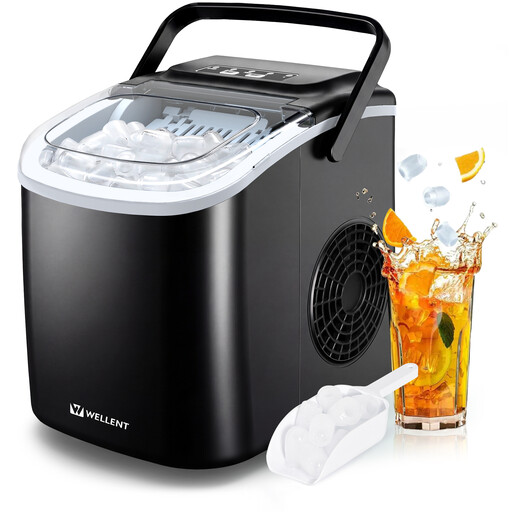 No image available
If you want to make a batch just before heading out, the time to the first batch and the container capacities are especially important.
The product details specify a first batch in six minutes, two ice sizes and up to 12 kg/24 h. Water tank: 0.8 l; ice basket: 0.45 kg. A carry handle is also listed.
Compare the portion you need with the time to the first batch and the number of cubes made per cycle. The figure in kg/24 h doesn’t tell you how much ice will be ready by the time you’re packing. For the IceMaster Pro 3301, CASO Design specifies both 6–13 minutes to the first batch and 12 kg in 24 hours.
No. Ice in a drink doesn’t mean perishable food will be kept sufficiently chilled. The German Federal Institute for Risk Assessment stresses the importance of temperature during transport and storage, while the consumer advice centre recommends using a cool bag with frozen ice packs when transporting food in warm conditions.
No, there’s no evidence that they are equivalent. UNOLD describes the function on the Freeze 48935 as rinsing the water circuit; for cleaning the specific appliance, follow its instructions.
For a specific electrical appliance, check that it has the CE marking required for that model. EU rules apply to electrical equipment within the relevant voltage range. The CE marking is a manufacturer’s declaration, not an independent quality mark. Your statutory consumer rights and a voluntary guarantee are different. Online purchases generally come with a 14-day right to cancel, although exceptions and the relevant terms and conditions apply.