What to consider when buying an ice maker
First, work out how many drinks you’ll be serving and when. Then you can make a useful comparison of batch times, ice type, footprint and the care required for the specific machine.
Compact bullet ice maker
A good fit if: worktop space is limited and you’ll be taking ice out throughout the workshop.
Bear in mind: a smaller tank may mean more frequent refilling.
Machine with a larger ice container
A good fit if: you’ll be serving several drinks in quick succession and have enough room for the machine.
Bear in mind: container capacity and daily production are different figures. Daily production doesn’t tell you how much ice is ready at once.
Nugget ice maker
A good fit if: small nugget-shaped pieces are specifically called for in your iced coffee recipe.
Bear in mind: the type of ice is a recipe choice; a daily production figure doesn’t tell you how much is ready to use straight away.
| Buying consideration |
What to check |
Who it matters most to |
| Ice available at once |
Check the removable container capacity and daily production separately; Klarstein gives the IceFestival a container capacity of 1.8 kg. |
If I’m serving several glasses at once, I want to know in advance how much ice will be ready and how I can keep it topped up. Around 33% of consumers prioritise having ice in reserve. |
| Time to the first batch |
Compare the time and quantity per batch separately. CASO says the IceChef Compact takes around 6 to 13 minutes per batch. |
If I’m only starting to prepare shortly before the workshop, I need to know when I can remove the first usable portion. Around 27% of consumers prioritise getting started quickly. |
| Footprint and ease of use |
Check the machine’s dimensions and access to the tank and ice container where you plan to use it. CASO lists the IceChef Compact as measuring 220 × 265 × 280 mm. |
If I need to make coffee and serve drinks as well as use the machine, I need space to work and controls that are easy to reach. Around 20% of consumers prioritise saving space. |
| Care and suitability for your workshop |
Check the cleaning instructions, water-change requirements and intended use of the specific model. The safety instructions for the ProfiCook PC-EWB 1253 rule out catering and similar large-scale commercial use. |
If I want to use the machine at an organised workshop, its care requirements need to fit the schedule and the specific use must fall within its intended scope. Around 20% of consumers prioritise ease of care and suitability for their use. |
Joybuy products for making ice at an iced coffee workshop
The countertop ice makers below are relevant for making ice at home or at your planned workshop venue. Compare the batch and daily production figures with your serving schedule; daily figures don’t tell you how much ice is ready at once.
 No image available
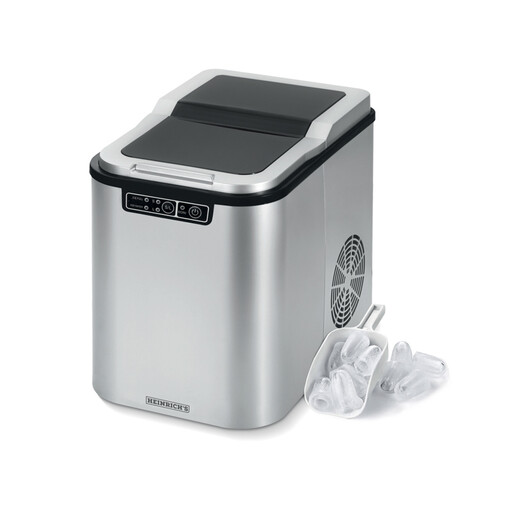
Countertop ice maker, 120 W, 2 ice sizes
The two ice sizes may come in handy if you’re planning to use different-sized cubes for different iced coffee recipes.
The product title lists 9 ice cubes every 9 minutes, a 2.2-l water tank and ice production of 12 kg per 24 hours. The daily figure doesn’t tell you how much ice is ready to use straight away.
A self-cleaning function is also mentioned in the product title; check the care instructions for what to do after the workshop.
View at Joybuy
 No image available
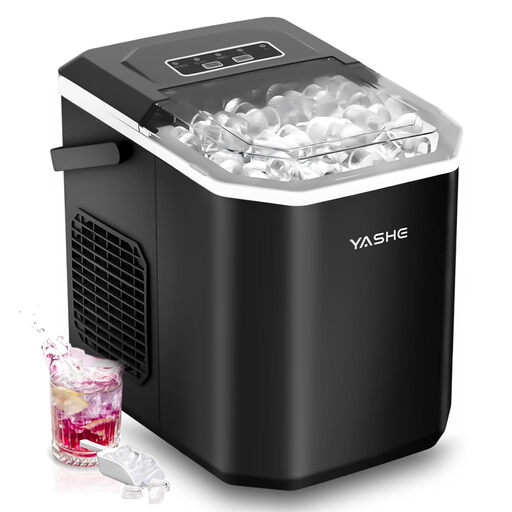
YASHE HZB-12/G ice maker
The two ice sizes may be useful for recipes where you’d like to choose between different cube shapes.
The product title lists 9 spherical ice cubes in 6 minutes, 26 lb per day and two ice sizes.
A self-cleaning function is mentioned in the product title; it doesn’t automatically replace all the care needed after the workshop.
View at Joybuy
 No image available
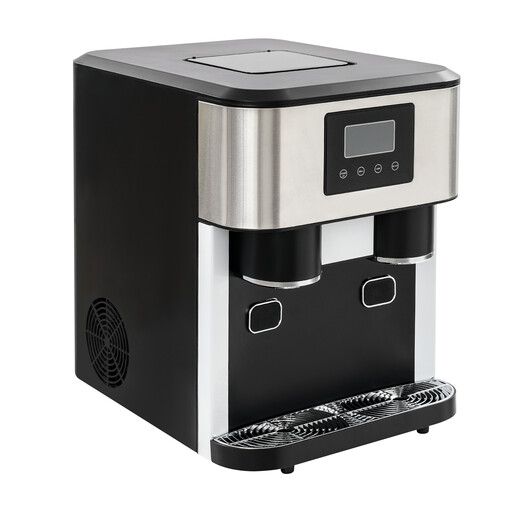
3-in-1 countertop ice maker
This could be an option if you’re looking for a countertop machine described as 3-in-1; before buying, check that its three functions suit your recipe and workshop schedule.
The product title describes this model as a countertop machine for use at home and on the go. Check the product details to find out what the three modes include.
View at Joybuy
 No image available
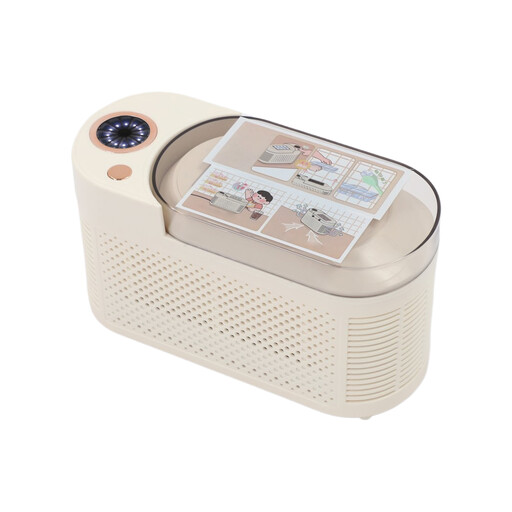
Portable mini countertop ice maker, 120 W
This could suit you if you’re looking for a mini ice maker described as portable; check that the location and ice supply work for your workshop schedule.
The product title lists a power rating of 120 W and a portable design.
View at Joybuy
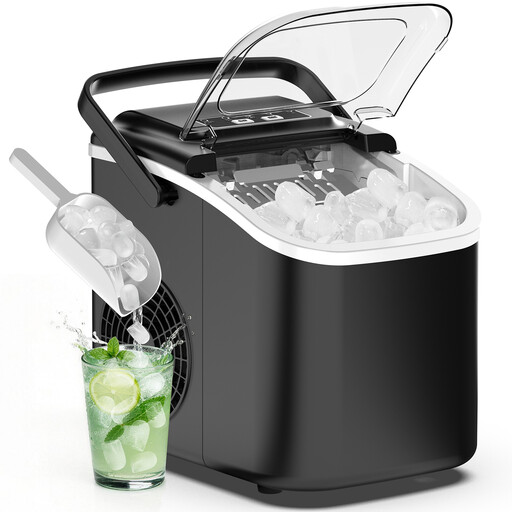 No image available
Ice maker, 2 ice sizes
The two ice sizes may be useful if your iced coffee recipe calls for a particular cube size.
The product title lists 8 ice cubes in 6 minutes and production of 12 kg per 24 hours. The daily figure doesn’t tell you how much ice is ready to use straight away.
A self-cleaning function and an ice scoop are also listed in the product title; check the model’s care instructions.
View at Joybuy
Frequently asked questions about ice makers for iced coffee workshops
How do I plan for ice when serving several iced coffees at once?
Count the drinks you’re planning to serve and decide when you’ll serve them. Then check the removable container capacity and batch time separately from the advertised daily production; if needed, you can prepare ice before the workshop starts.
Do I need a water connection for a countertop machine?
Not every model needs a separate water supply: ProfiCook describes the PC-EWB 1253 as having an integrated 1.5-l tank and no additional water connection. For your chosen model, also check the power connection, where you’ll put it and how easy it is to refill.
Does self-cleaning mean I don’t need to clean the machine after the workshop?
No. A cleaning programme doesn’t mean that no further care is needed. Follow the instructions for the specific model when changing the water and cleaning accessible parts; the German Federal Institute for Risk Assessment stresses the importance of handling food and work areas hygienically.
What happens if the machine develops a fault after purchase?
For a consumer purchase, your statutory rights against the seller are separate from any voluntary guarantee. If the product is faulty, the first step may be to ask for a repair or replacement; different contract terms may apply if you buy as a business. The Verbraucherzentrale explains the difference between statutory rights and a guarantee.
How can I tell whether parts are suitable for contact with food?
Check the details for the specific machine and any parts that come into contact with food. The Federal Office of Consumer Protection and Food Safety notes that materials and objects intended to come into contact with food must meet strict legal requirements.


