
Lieferung heute & morgen

Qualitätsgarantie

Willkommens-Angebote freischalten: KOSTENLOSE Lieferung | Bis zu 80 % RABATT | Kostenlose 30-Tage-JoyPlus-Testphase
App herunterladen
Iced tea is a popular drink for many occasions, but the selection available in stores can be overwhelming. Anyone looking to buy iced tea is often faced with a shelf full of promises of fruity flavour and pure refreshment. However, the purchasing decision often leads to disappointment when the product doesn't meet expectations. To avoid making the wrong choice, it helps to know the common pitfalls.
To make an informed decision that suits your needs, three core parameters should be checked. These will help you objectively assess product quality.
The nutrition facts panel is your most important tool. Pay attention to the "of which sugars" value per 100 ml. Products with more than 8 g of sugar per 100 ml are already considered very sweet drinks. It's worth checking the ingredients list to identify the type of sweetener used:
The choice depends on your personal preferences and dietary goals. For daily consumption or for children, sugar-free or reduced-sugar options can be a sensible alternative.
The foundation of every iced tea is tea. The variety used determines the fundamental character of the drink:
Also, check the percentage of fruit juice concentrate. A value of 1% or less is common, but it means the taste comes mainly from added flavourings. A higher juice content can indicate a more intense, natural fruit experience.
The choice of packaging depends on the intended use. For stocking up at home or in the office, a bulk pack of iced tea with 1.25-litre or 2-litre containers is often the most economical solution. Brands like Pfanner Iced Tea or Lipton Iced Tea offer practical multi-packs for this purpose. For on-the-go, 0.5-litre bottles or cartons are more suitable.
Concentrates or syrups are a flexible alternative. An iced tea syrup allows you to determine the intensity and sweetness yourself and to prepare the drink fresh with still or sparkling water.
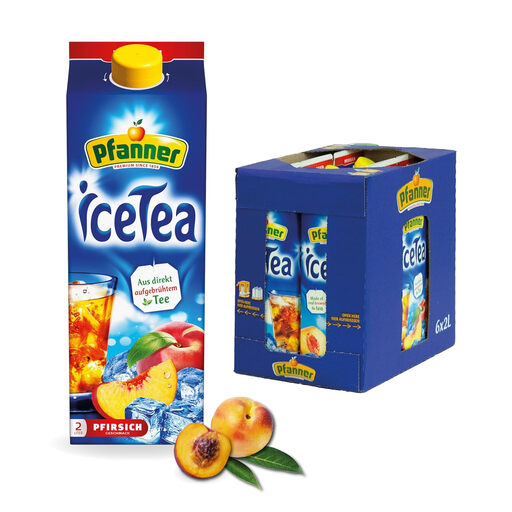
Why this product is a great fit: Perfect for bulk buying. The large 2-litre packs in a set of 6 cover a family's needs for a longer period and offer excellent value for money for daily enjoyment.
The declaration "directly brewed" from black tea, rosehips, and hibiscus flowers ensures transparency regarding the tea base, avoiding the ambiguity of pure extract products.
Large total volume of 12 litres. The direct brewing method is perceived by many as having a more authentic taste.
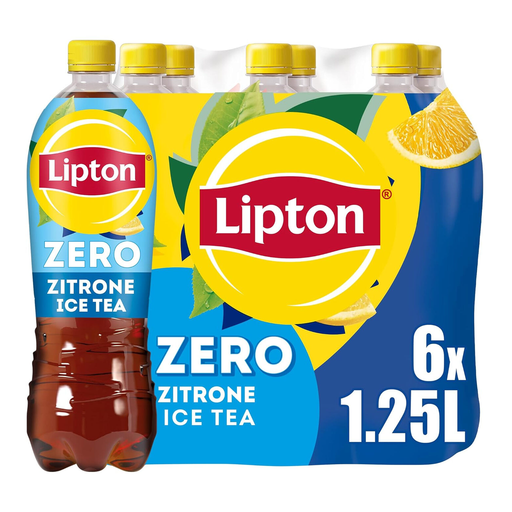
Why this product is a great fit: For anyone who watches their sugar and calorie intake but doesn't want to miss out on the refreshing taste of iced tea. Ideal for a conscious diet or as a thirst quencher during sports.
This product completely bypasses the hidden sugar trap. The "Zero Sugar" label is unambiguous, and the nutritional information confirms a very low energy value of 1.2 kcal per 100 ml.
Complete absence of sugar with full flavour. The black tea extract used is Rainforest Alliance certified, which indicates more sustainable farming practices.
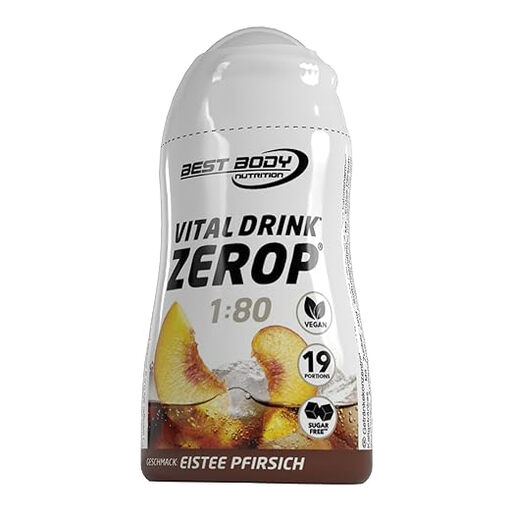
Why this product is a great fit: For those who value control and versatility. This iced tea syrup can be dosed individually and mixed with both still and sparkling water. Perfect for home, the gym, or for reducing packaging waste.
The concentrate is sugar-free and gives the user full control over the strength of the flavour. This avoids both the sugar trap and the disappointment of a taste that is too weak or too intense.
Very economical due to a 1:80 mixing ratio. The concentrate is also enriched with vitamins B1, B6, and niacin, which, according to the manufacturer, contribute to a normal energy-yielding metabolism.
We have compiled a complete, up-to-date list of products that fully meet these strict selection criteria and UK regulations.
Once opened, iced tea should be stored in the refrigerator and generally consumed within 3 to 4 days. You can find the exact manufacturer's instructions on the packaging. Unopened, it can often be stored for several months in a cool, dry place.
No. Iced teas based on black or green tea naturally contain caffeine. However, the amount is usually less than in coffee. Variants based on fruit or herbal tea (e.g., rosehip, hibiscus) are typically caffeine-free and are therefore also suitable for children or as an evening drink. A look at the ingredients list will provide clarity.
Directly brewed iced tea is made, similar to home preparation, from tea leaves that are steeped in hot water. This infusion forms the base of the drink. Iced tea from tea extract uses a concentrate obtained by extracting compounds from tea leaves, which is later reconstituted with water. The direct brewing method is often associated with a more authentic and fuller tea flavour.