
Lieferung heute & morgen

Qualitätsgarantie

Willkommens-Angebote freischalten: KOSTENLOSE Lieferung | Bis zu 80 % RABATT | Kostenlose 30-Tage-JoyPlus-Testphase
App herunterladen
The range of iced tea on supermarket shelves and in online shops is vast. From classic varieties like peach and lemon to exotic blends, there's something for every taste. However, buying iced tea comes with a few pitfalls that can lead to a product that doesn't meet your expectations. Those who rush into a purchase often end up paying more for sugary water than for a genuine tea beverage.
Before you stock up, you should be aware of three common misconceptions:
To make an informed decision that suits your needs, you should check three core features. These will help you objectively assess the quality and true value of a product.
The foundation of every iced tea is, of course, tea. The production method has a significant impact on the flavour.
Look for phrases like "directly brewed" or "from tea infusion" if you prefer a more authentic tea taste.
The level of sweetness is a crucial criterion. The ingredients list and the nutritional information provide clarity here.
For health-conscious consumers, the sugar-free or low-sugar option is a great choice to enjoy full flavour without the extra calories.
Anyone who drinks iced tea regularly or buys for a group should consider the pack size. A bulk pack of iced tea, such as 1.25-litre or 2-litre bottles, typically offers a much lower price per litre than individual 0.5-litre bottles. Keep an eye out for an iced tea deal on multipacks to save money in the long run. This is particularly relevant for popular varieties like iced tea peach or iced tea lemon.
Based on these objective criteria, we have put together a selection of products suitable for different profiles.
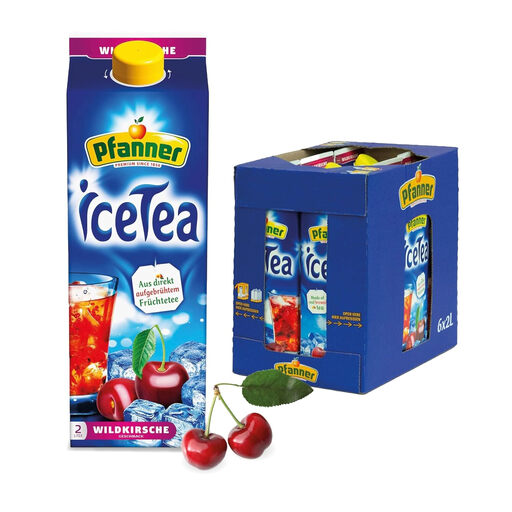
Why This Fits Their Persona: The large 2-litre packs in a set of 6 offer an excellent price per litre. This is ideal for stocking up families, shared flats, or offices that have a constant need for refreshing drinks.
This product bypasses the "packaging illusion" with a transparent bulk pack that keeps the price per litre low from the outset, making it an economical purchase.
Large total volume of 12 litres; directly brewed from rosehip and hibiscus blossom for a full-bodied flavour.
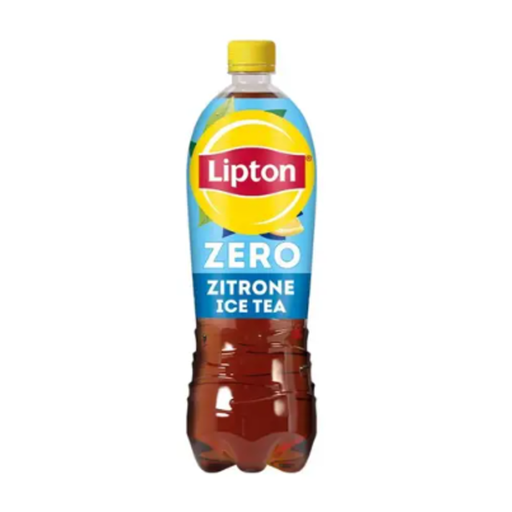
Why This Fits Their Persona: This version offers the classic, refreshing lemon flavour with no sugar and no calories. It's the ideal choice for anyone who is mindful of their diet but doesn't want to compromise on taste.
Effectively solves the "sugar trap" by completely omitting sugar. The sweetness comes from zero-calorie sweeteners, making the nutritional information transparent.
Full flavour with 0 kcal per 100 ml; a reliable and widely available option for a sugar-free refreshment.
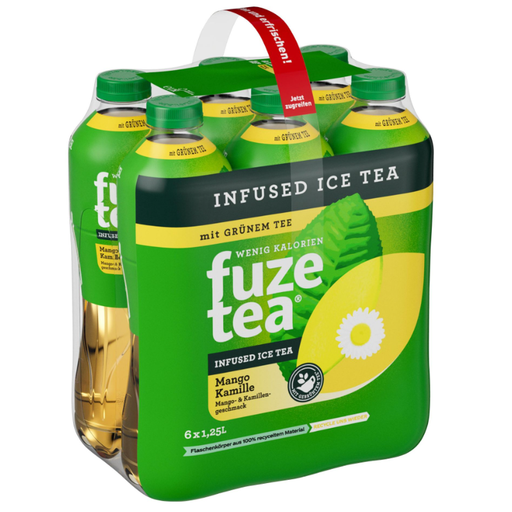
Why This Fits Their Persona: For anyone who finds peach and lemon too ordinary. This variety combines brewed green tea with mango juice and a hint of chamomile extract for an unexpected and complex taste experience.
Escapes the "flavour dilemma" through a fusion of real tea infusion, fruit juice concentrate, and herbal extracts, which ensures an authentic and balanced taste.
Unique flavour combination; tea from sustainable sources (Rainforest Alliance certified); low in calories.
We have compiled a complete, real-time list of products that fully satisfy these strict selection criteria and UK safety regulations.
Once opened, iced tea should be stored in the refrigerator. Most manufacturers recommend consuming the drink within two to three days to ensure freshness and flavour. You can always find specific information on the product's packaging.
Directly brewed iced tea is made from real tea leaves that are steeped in hot water and then cooled. This process preserves the subtle flavour nuances of the tea. Iced tea from extract is made by mixing water with a concentrated tea powder. This is a faster process that often results in a more standardised, but less complex, flavour.
Yes, caffeine-free alternatives are available. These are typically based not on black or green tea, but on fruit or herbal tea infusions like rosehip, hibiscus, or rooibos. An example of this is the PFANNER Iced Tea Forest Berry, which is based on an infusion of rosehip and hibiscus blossom and is therefore naturally caffeine-free. Check the ingredients list to be sure.